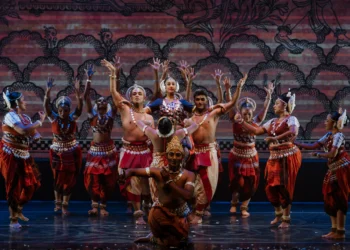

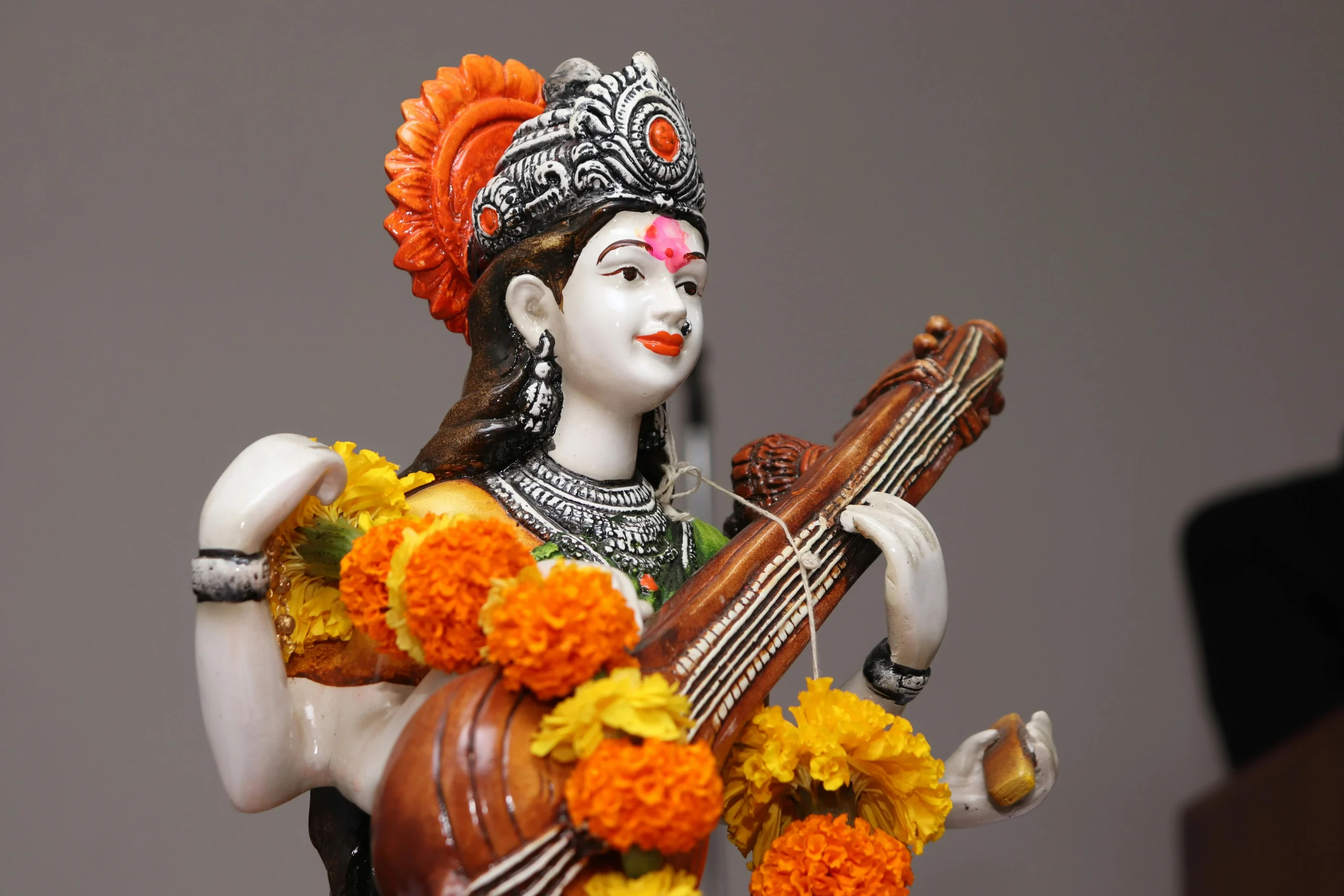
Vasant Panchami, also known as Basant Panchami or Saraswati Puja, is a vibrant Hindu festival celebrated to welcome the spring season and honour Goddess Saraswati, the deity of wisdom, learning, music, and arts. Vasant Panchami is a festival for seeking blessings for knowledge, creativity, and bright beginnings in life.
The History of Vasant Panchami
Vasant Panchami, has its roots deeply embedded in Hindu mythology and the celebration of seasonal change. The festival’s name comes from two Sanskrit words: Vasant, meaning spring, and Panchami, meaning the fifth day of the lunar month. It is observed on the fifth day of the bright half (Shukla Paksha) of the month of Magha (usually in late January or February), symbolizing the end of winter and the arrival of spring, a time when nature begins to bloom with flowers and greenery.
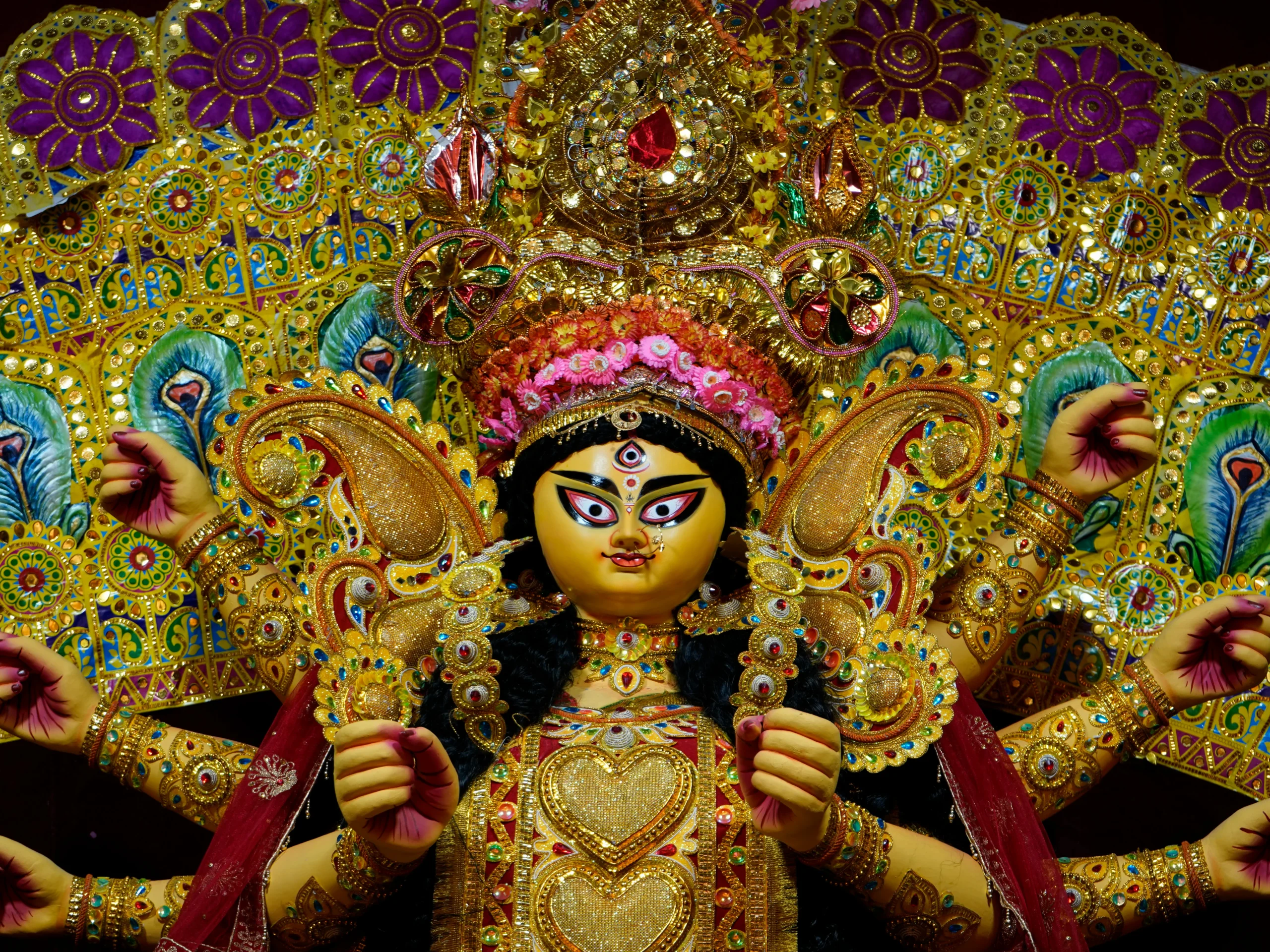
The festival is primarily dedicated to Goddess Saraswati, the deity of wisdom, knowledge, learning, music, and arts. According to Hindu legends, Saraswati emerged from the body of Lord Brahma, the creator of the universe, to bring speech, learning, and creativity to mankind. On this day, she is worshipped as the source of all intellectual and artistic pursuits.
Timing of the Festival
In 2026, Vasant Panchami will be observed on Friday, January 23. The Panchami tithi begins in the early morning and lasts until the early hours of January 24. The most auspicious time for performing Saraswati Puja is during the morning hours, from sunrise to midday, when rituals are traditionally conducted.
How Vasant Panchami Is Celebrated
Worshipping Goddess Saraswati
Devotees set up altars at home or in schools with images or idols of Goddess Saraswati. Offerings typically include flowers, fruits, sweets, and items related to learning, such as books, pens, musical instruments, and art supplies. These rituals are performed to seek her blessings for wisdom, knowledge, and artistic talent.
Emphasis on Learning
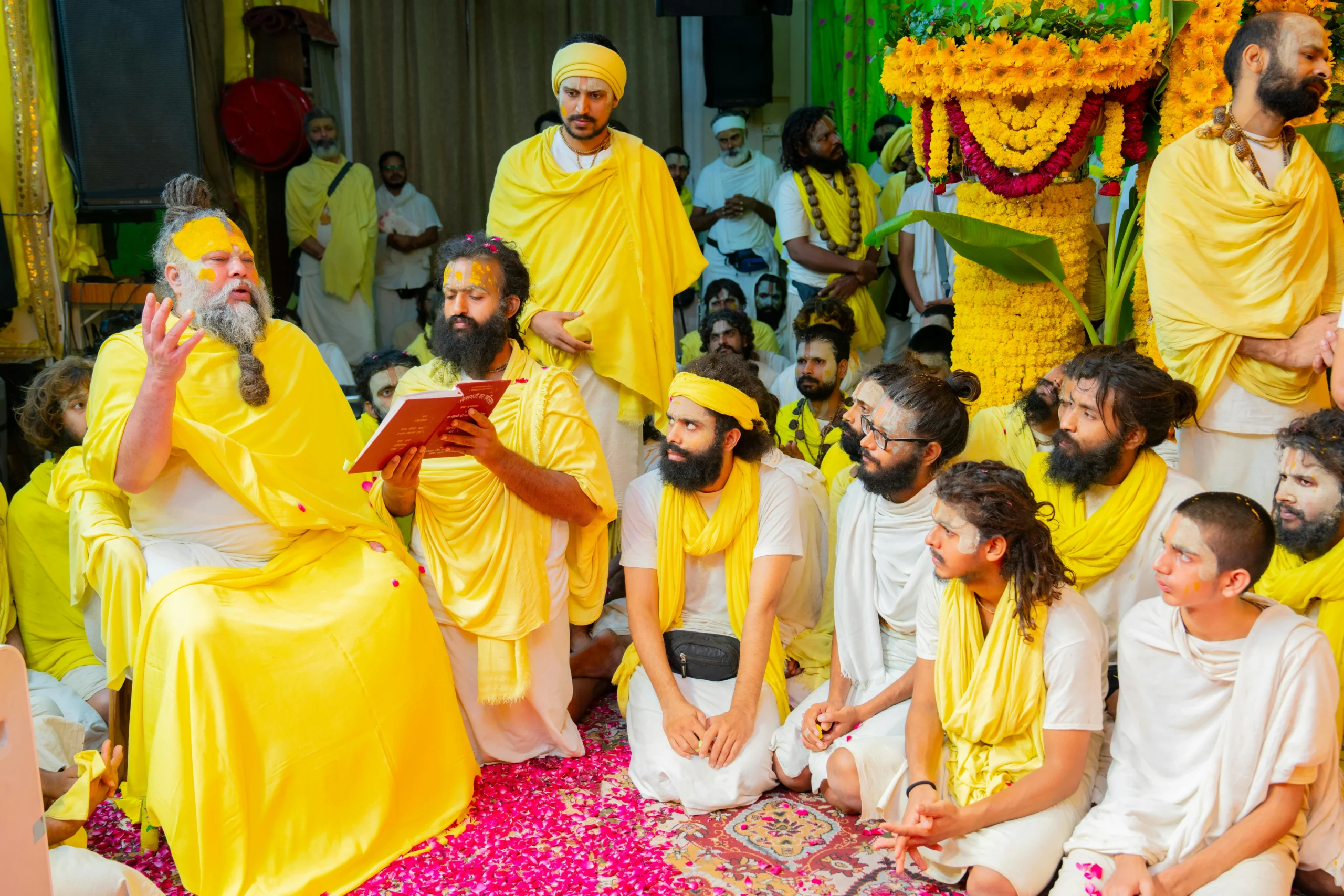
Vasant Panchami is considered an auspicious day for beginning new educational or creative pursuits. In many families and schools, young children start writing their first letters or learning new skills in a ceremony called Vidya-Arambh or Akshara-Abhyasam, symbolizing a blessed start to their educational journey.
The Colour Yellow
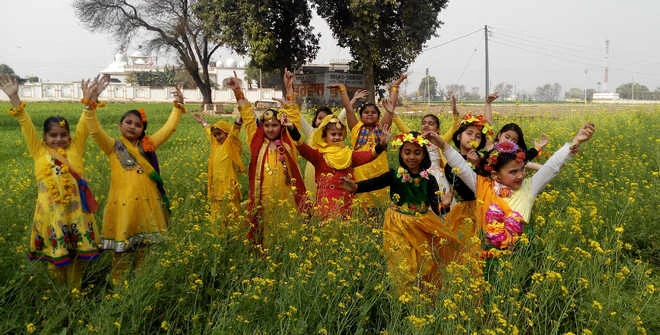
Yellow dominates the festival, from clothing to decorations to food. This vibrant colour represents joy, energy, and prosperity, and reflects the mustard fields that bloom during spring. Popular yellow dishes include sweet rice, kesari halwa, and laddoos, all shared among family and friends.
Regional Traditions
Across India and beyond, Vasant Panchami is celebrated in various ways. Northern India often features kite-flying, while West Bengal holds elaborate Saraswati Puja events with music, dance, and cultural programs. Despite regional differences, the festival’s core theme remains the celebration of knowledge and creativity.

Vasant Panchami is more than just a religious festival, it is a celebration of learning, creativity, and the vitality of spring. It reminds us that just as nature awakens from winter, our minds can embrace knowledge, inspiration, and growth. By worshipping Goddess Saraswati, sharing joy, and engaging in learning and artistic pursuits, devotees honor the true spirit of Vasant Panchami, a festival that brings brightness, wisdom, and new beginnings into our lives.
Source: Rudra Centre
Follow us on Instagram, Facebook or Telegram for more updates and breaking news.