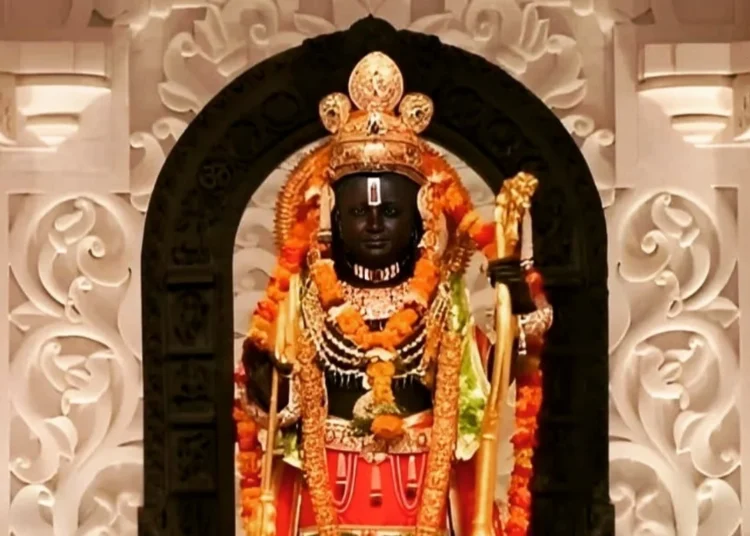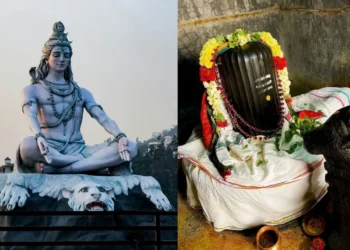

Mahashivaratri also known as “The Great Night of Shiva” is one of the most important festivals in the HIndu calendar. It usually falls in February or March on the night before the new moon. Devotees of Lord Shiva observe this night with deep devotion, fasting, prayer, meditation, and by remaining awake throughout the night. For many, Mahashivratri is a time not only for religious observance but also for spiritual transformation, self-reflection, and inner awareness.
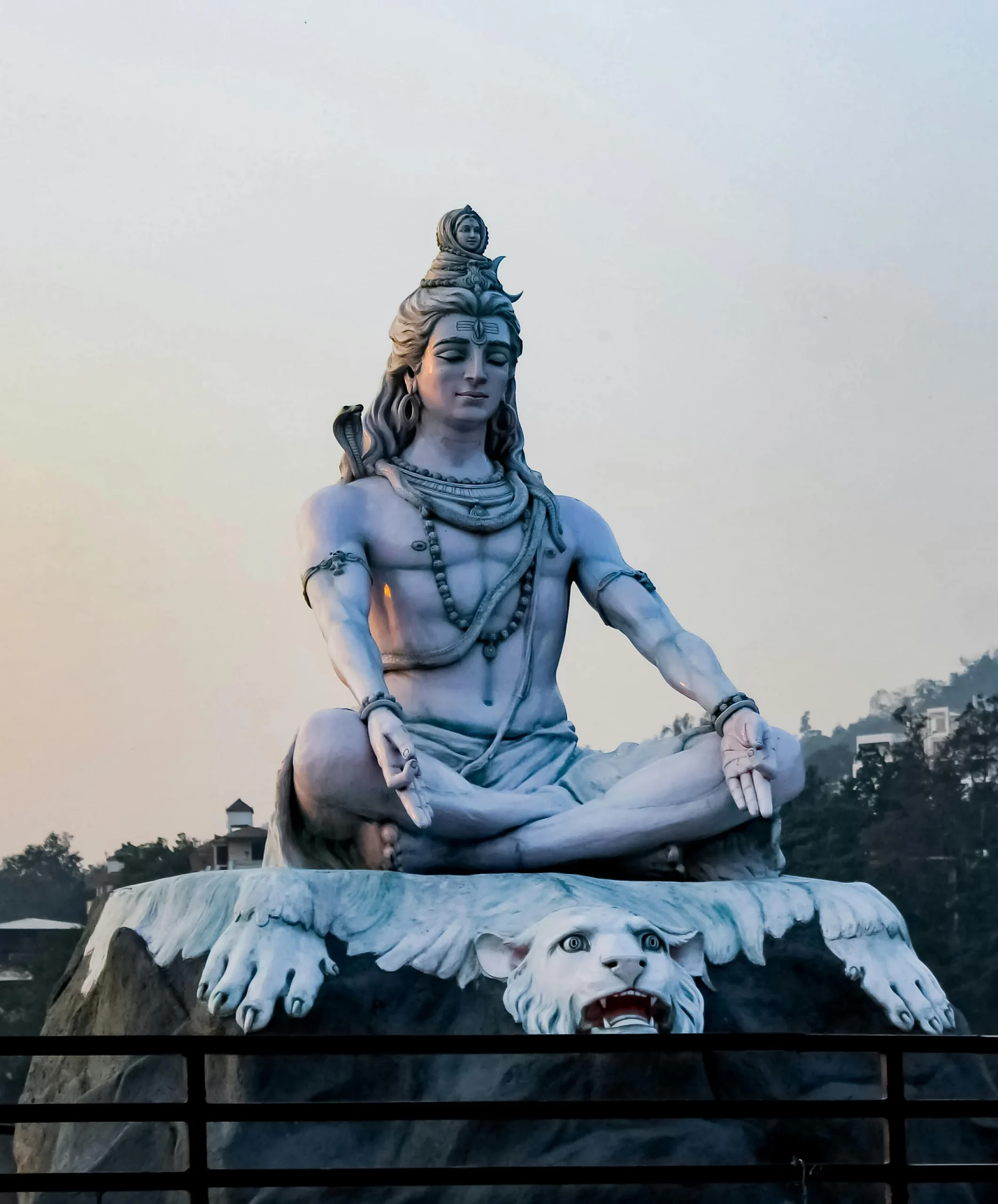
Why Staying Awake Matters
One of the central traditions of Mahashivaratri is staying awake for the entire night instead of sleeping. This practice is deeply meaningful for several reasons:
A Night of Heightened Energy
According to yogic wisdom, on the night of Mahashivaratri the natural energies in the northern hemisphere rise, creating a rare opportunity for inner transformation. The belief is that if one remains awake and keeps the spine vertical, this upward surge of energy can be used to enhance perception and consciousness. This is why people purposely keep themselves alert and seated rather than lying down to rest.
Conscious Awareness Instead of Automatic Living
In many spiritual traditions, sleep symbolizes unconsciousness, the state in which the mind is not fully aware. By staying awake throughout the night, devotees are intentionally breaking their routine pattern of drifting into sleep and dormant awareness. This wakefulness creates a space for self-observation, clarity of thought, and a deeper connection with oneself, rather than simply reacting to the outside world.
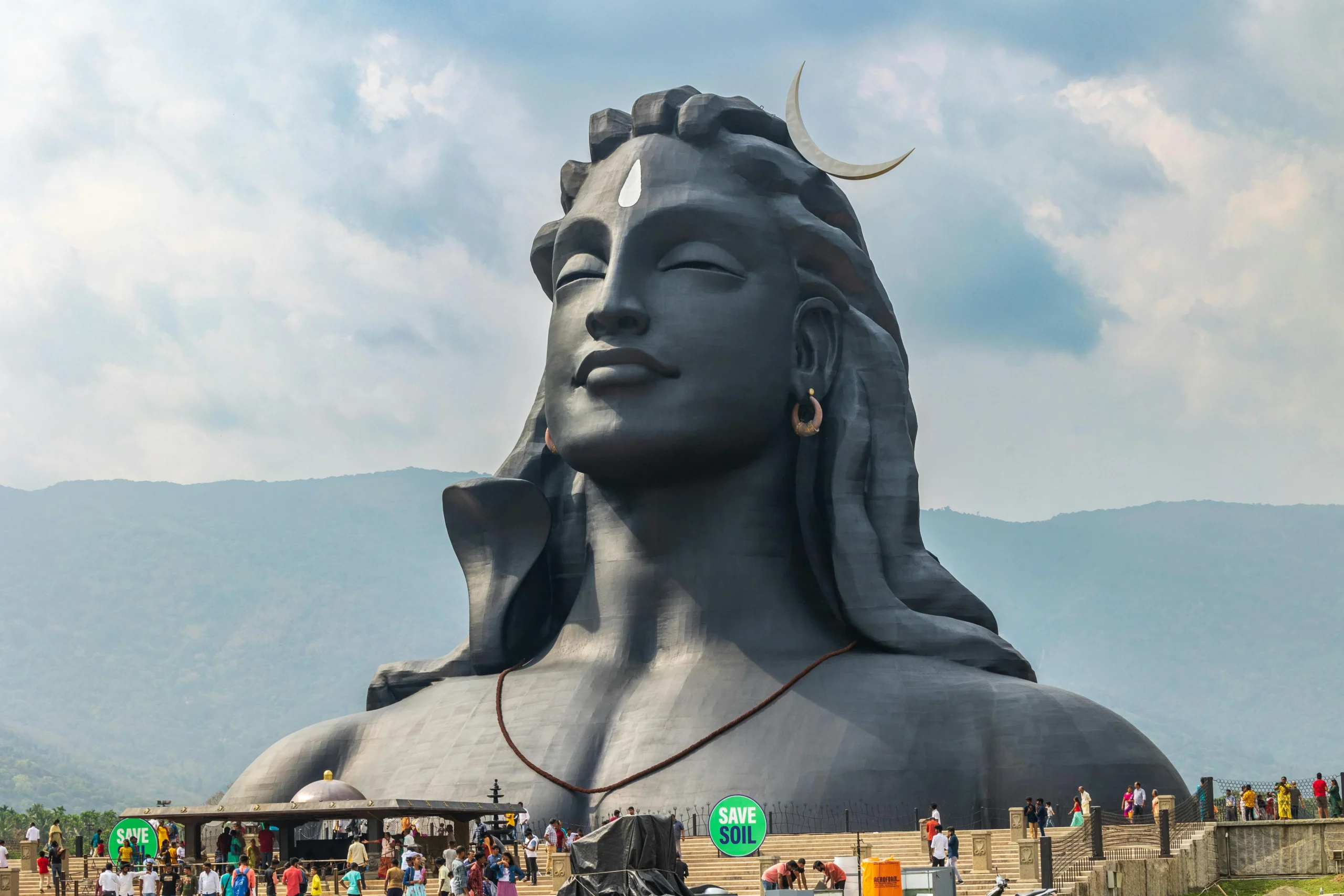
Energy Flow and the Spine
Some traditions emphasise the importance of posture during this night. Humans are among the few species with a vertical spine, and it’s believed that staying upright (instead of lying down) makes the body more receptive to the natural energy shift that occurs on this night. This idea comes from yogic science, which connects energy flow with inner balance and awareness.
Spiritual Opportunity and Inner Stillness
Across many teachings, Mahashivaratri is seen as more than a ritual, it’s a night of awakening and transformation. Staying awake is a symbolic way of moving from distraction to inward focus. Worshipers may meditate, chant, recite mantras, or simply sit in silence, allowing the night’s quiet and spiritual atmosphere to deepen introspection and inner peace.
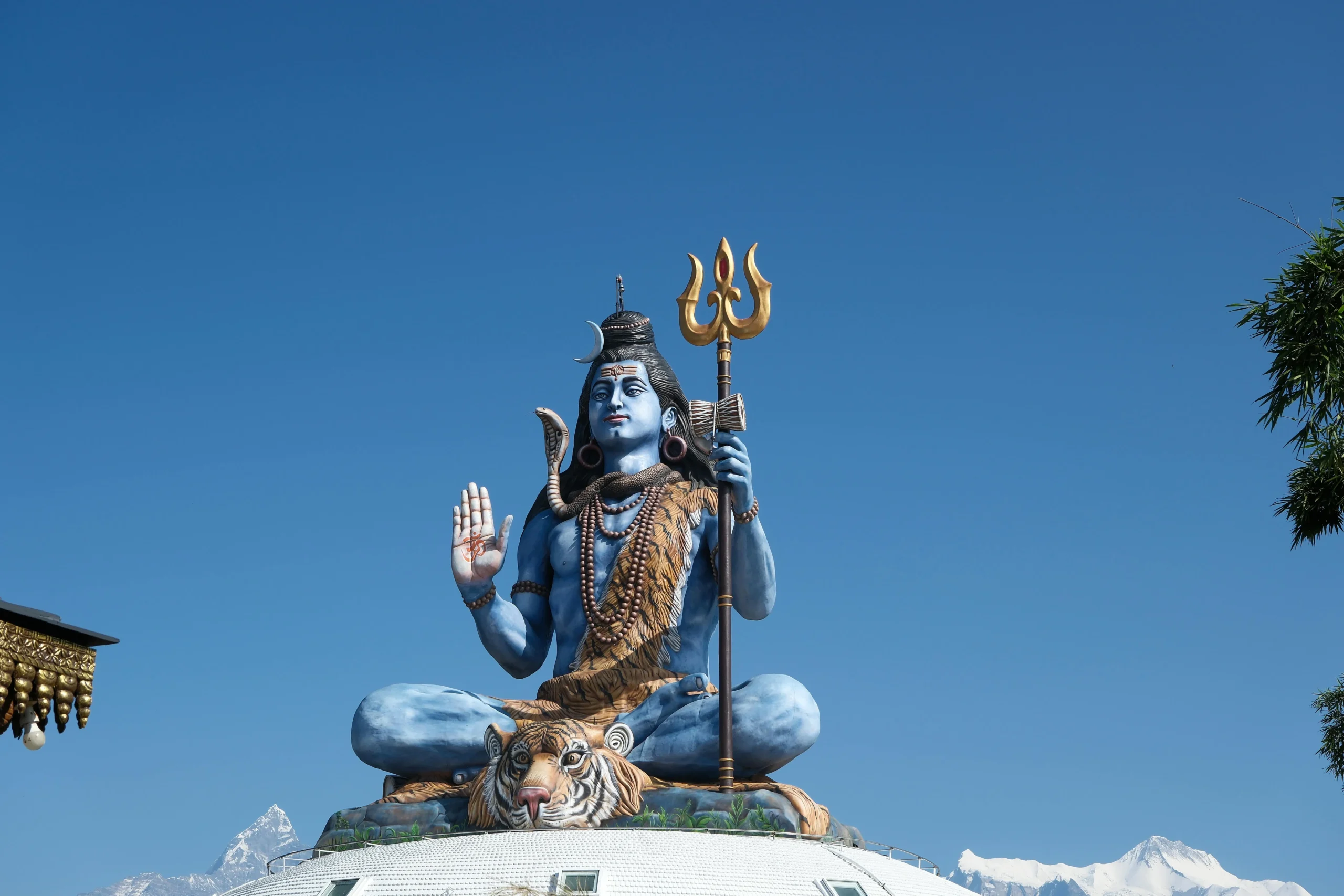
Staying awake on Mahashivaratri is not just a tradition, it’s a practice with deep spiritual intentions. Whether one views it through a devotional lens, as a way to honour Lord Shiva, or through a spiritual perspective, focused on awareness and inner growth, the night-long vigil has meaning for countless people around the world. It invites devotees to step out of their ordinary lives, embrace a deeper stillness, and open themselves to higher possibilities of awareness and transformation.
Sources: Isha Foundation, Nepali Rudraksha Blog
Follow us on Instagram, Facebook or Telegram for more updates and breaking news.