



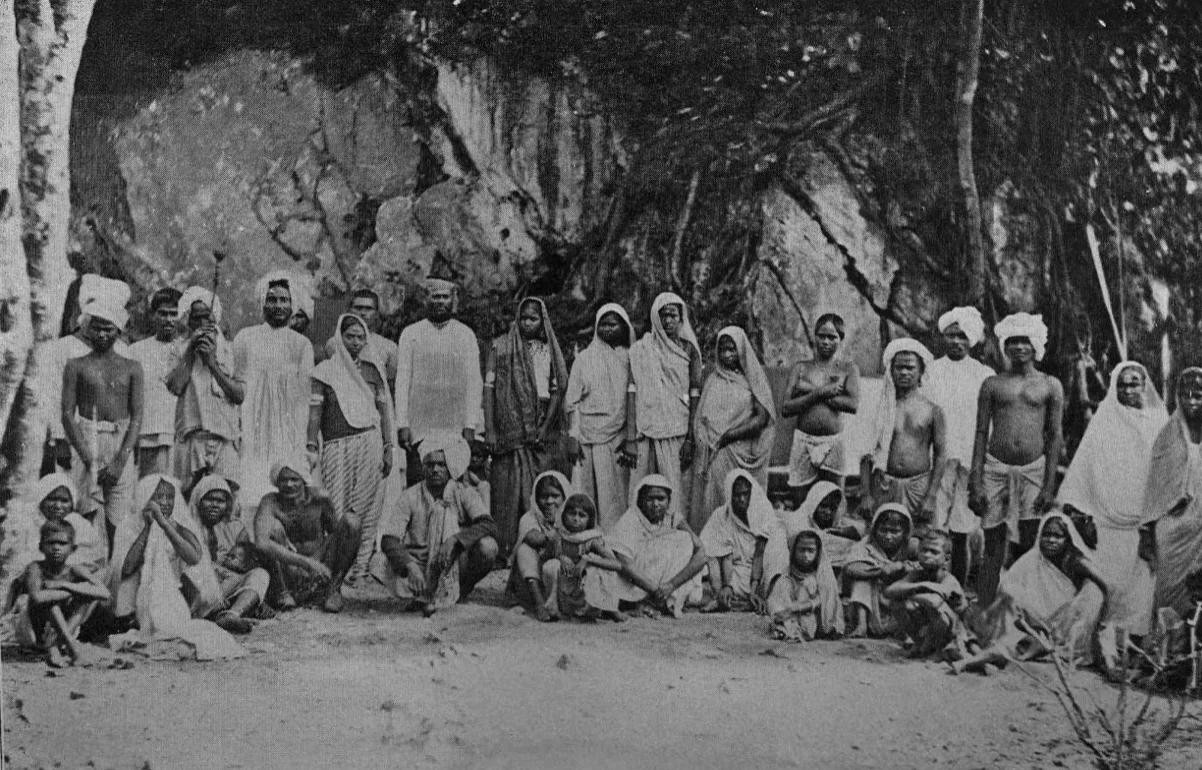
During the early 20th century rubber boom, many South Indians discovered jobs on the estates as rubber tappers. Before the ‘kangany’ scheme took over in 1910, where the Indian estate foreman hired employees and their families from his own village in India, an indentured system bound the labourers to a three-year contract.
What is now known as the rubber boom has its roots, with the discovery by Charles Goodyear that processing and extracting latex harvested from rubber trees made it into a commodity with a wide variety of possible applications.
Likewise, Indian immigrants in Singapore worked, among other jobs, on rubber plantations, or as workers. Working hours were lengthy and with their backbreaking commitments, the employees earned very limited monetary returns.
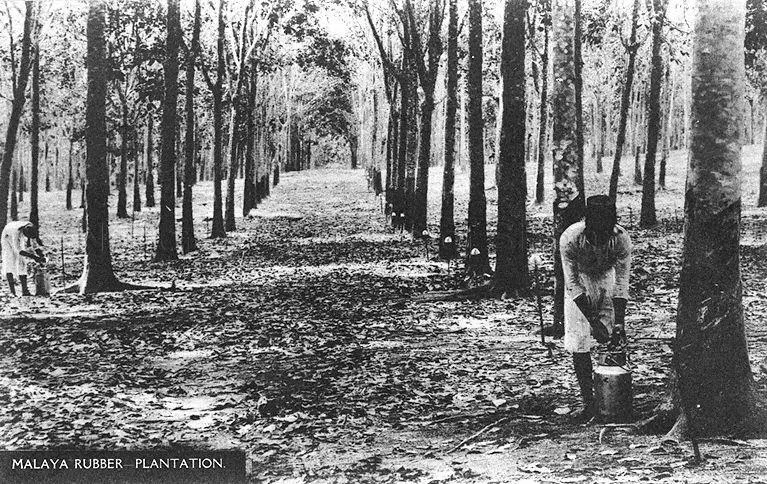
Since the 1830s, the sugar and coffee plantations in Negeri Sembilan and Selangor have recruited a significant proportion of Indian labour that came to the shores of Malaya. In the first decade of the 20th century, when all cash crops had to give way to the remarkable advance of rubber, conditions started to change.
Indians, who comprise about 10% of the population of 26 million people in Malaysia, were mainly brought to our country decades ago by the British to work on rubber plantations and to construct railway tracks. After independence, many Indians, the majority from the state of Tamil Nadu, did not return to India and were part of Malaysia’s multi-ethnic community.
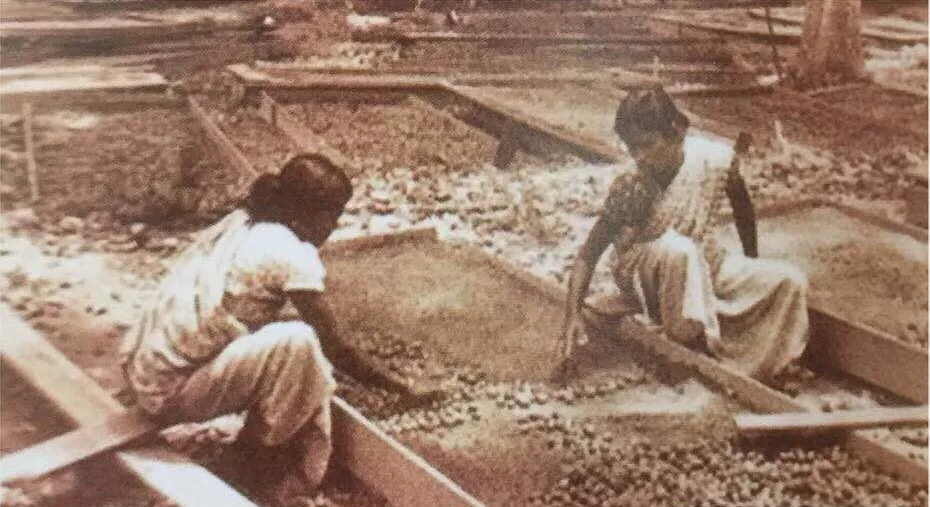
In their ragged sarees, the Tamil women hailing from the estates are seen in the images to appear scrawny. Once the land is cleared and suitable for the planting process based on the marked-out rows, the women become the second rung employed for planting rubber.
During the planting process, the women are seen using their hands to plant the rubber seeds. The female labourers seen wearing their pith helmets (sola topees) were under the supervision of white plantation bosses, dressed in white. Thus, millions of rubber trees were grown.
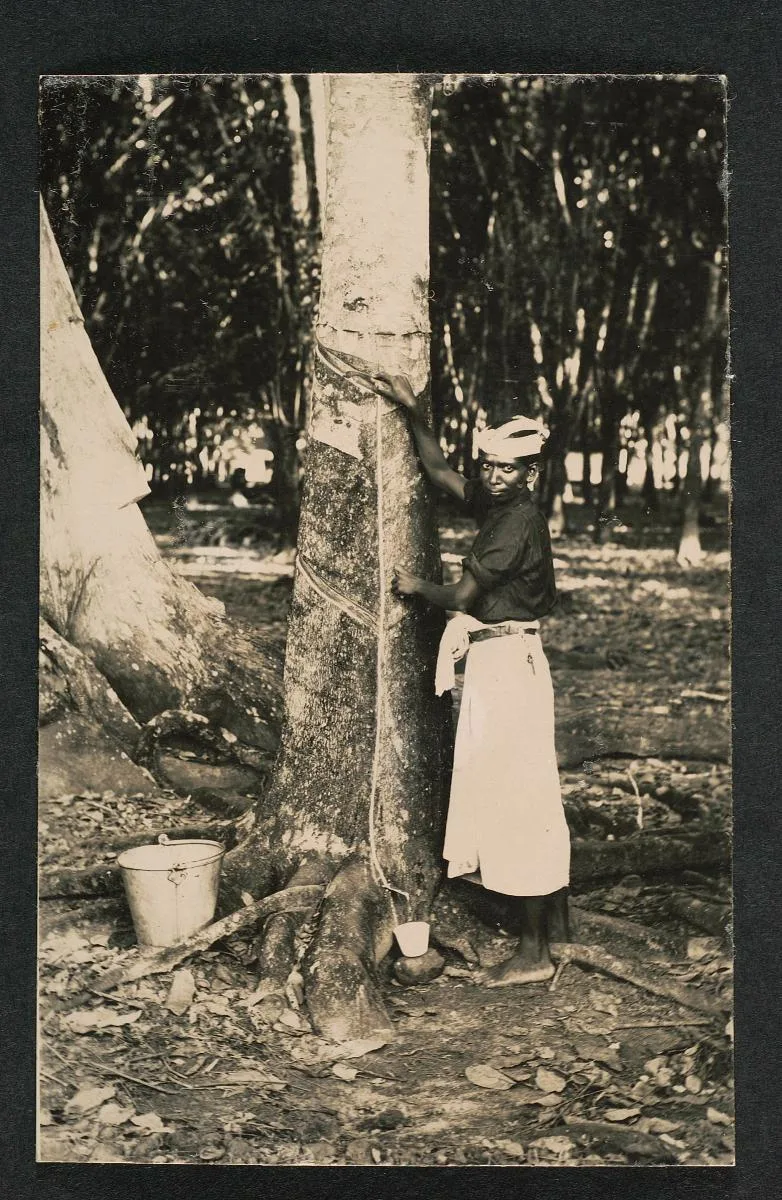
Despite the fact that Indian convicts in Kedah did not make their presence known, the sight of numerous rubber trees lining the sides of the dual carriageway leading to Sungai Petani reminds us on the contribution of Indian migrants to the prosperity of this country’s agriculture industry.
These hapless people remain largely forgotten among our Indian community. The Indian baby boomer generation right to the current millennials have certainly achieved much, and come a long way from the days of their ancestors who came to this bountiful land as labourers, and many can boast about their accomplishments.
Malaysian Indians have made a name for themselves in the country and have contributed greatly to the Malaysian economy. With all this said, I hope we never forget our humble beginnings by remembering the hard labour and sacrifice of these Indian labourers who risked it all travelling from the comforts of their villages in India just to make a decent and comfortable living for themselves.
Yet, stories of their exploitation is easily forgotten. But they made it, somehow despite all the hardships, torture and slavery they endured by the white bosses and land owners. Lest we forget.