



Varnam Malaysia
  • News
    • Sports
    • Education
  • Reviews
    • Concert
    • Movie Reviews
  • Exclusive
    • IWD Exclusive
  • Culture
  • Travel
  • Community
  • Lifestyle
    • Fashion
    • Food
    • Health
  • Entertainment
    • Trailers
    • Music
    • Movies
No Result
View All Result
Varnam Malaysia
  • News
    • Sports
    • Education
  • Reviews
    • Concert
    • Movie Reviews
  • Exclusive
    • IWD Exclusive
  • Culture
  • Travel
  • Community
  • Lifestyle
    • Fashion
    • Food
    • Health
  • Entertainment
    • Trailers
    • Music
    • Movies
No Result
View All Result
Varnam Malaysia
No Result
View All Result
Home Culture

OM or AUM; A Different Perspective of The Magical Sound In Sanskrit

by Revathi Durai
April 11, 2021
12
SHARES
Share on FacebookShare on TwitterSend

According to Hindu mythology, Lord Shiva created both Sanskrit and Tamil grammar rules, the latter was penned down by Sage Agastya in the Tolkappiyam. Tamil is more akin to Sanskrit, which is fondly known as the “Language of Gods” and is said to have arisen from Lord Shiva himself.

Have you ever come across two concepts that share a name or a phrase and felt they were inextricably linked?

The external part of one and the same thing is called expression, and the internal part is called mind. 

Om (ஓம்) is such a sound, the basis of all sounds. The first letter, A, is the root sound, the key, pronounced without touching any part of the tongue or palate. M represents the last sound in the series, being produced by the closed lips, and the U rolls from the very root to the end of the sounding board of the mouth. Thus, Om, represents the whole phenomena of sound-producing. As such, it must be the natural symbol, the matrix of all the various sounds. It denotes the whole range and possibility of all the words that can be made.
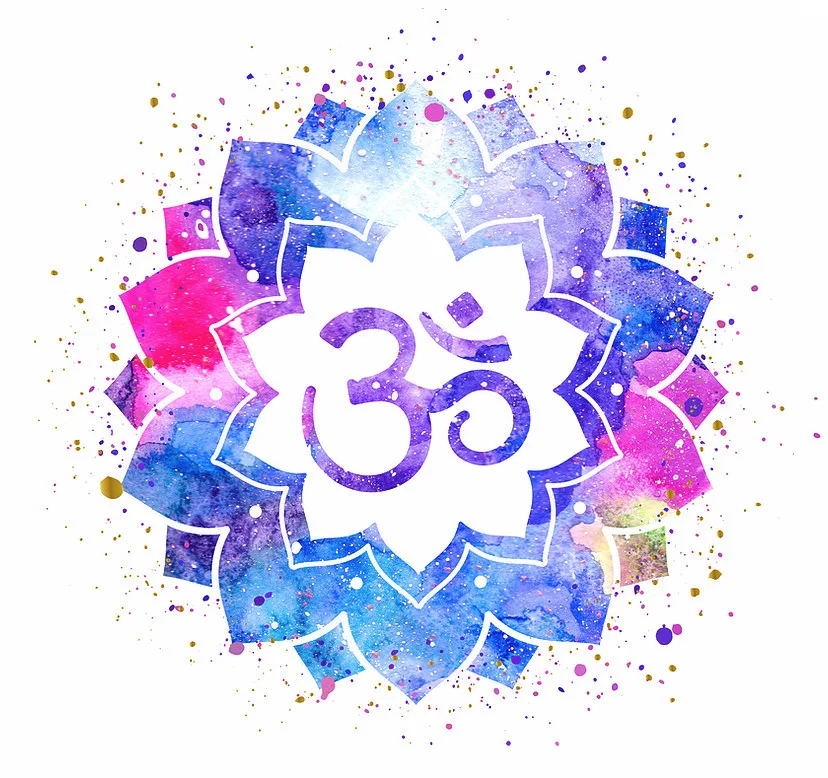
So, how do we pronounce it, either Om or Aum ?

The infinitely esoteric response: It makes no difference if you spell OM or chant it because the audible OM is only an echo of the inaudible sound. The reality is that ordinary senses cannot detect OM; the capacity to hear it is only possible through inward, metaphysical, subtle senses. 

The OM sound are thought to energise the chakras within the body, especially the third eye and crown chakras, which assist us in connecting with our divine selves.
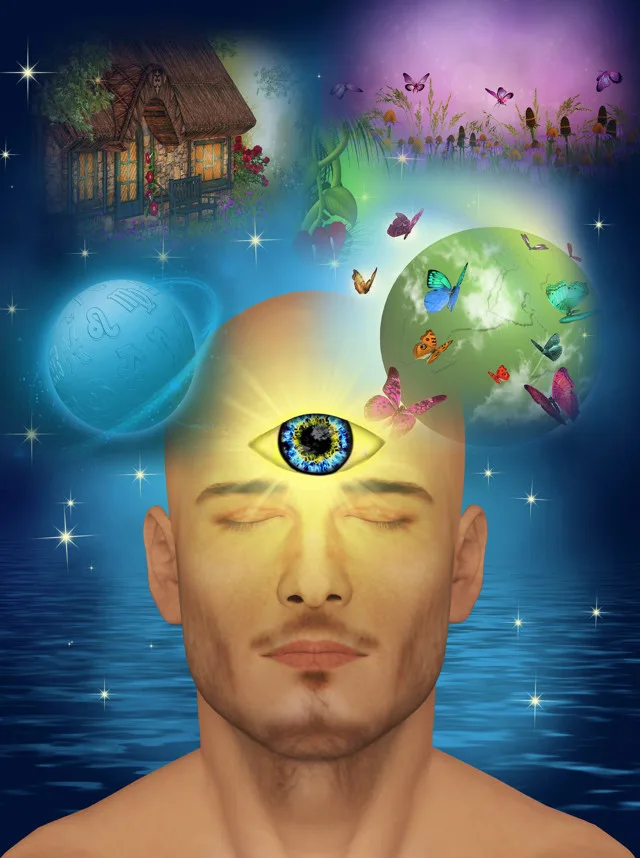
When you chant AA: You will experience vibration around your navel and abdominal area. It is related to the waking state.

When you chant UU: You will experience vibration in and around your chest cavity. It is related to the dream state.

When you chant EEMM: You will experience vibration in and around your throat. It is related to the state of deep sleep.

After you chant one OM, there’s a pause. It represents Turiya, or infinite consciousness. 

Just like LOVE, the way we chant OM is a different level of satisfaction! 

Follow us on Instagram, Facebook or Telegram for more updates and breaking news. 

Filed Under AUMchantsLord ShivaOMSage AgastyaTolkappiyamturiyavibrations
https://lomp.at/ztljy
Share5Tweet3Send

YOU MIGHT ALSO LIKE

Image Source: iStock
Culture

Panguni Uthiram: Why This Sacred Day is Important for Married Couples

by Kavitha
April 1, 2026

Panguni Uthiram is a significant sacred ritual celebrated by Hindu devotees, particularly in the Tamil community. This festival typically occurs...

Read more
Image Source: Sri Vyasa Pooja Instagram
Culture

Sri Rama Navami: Celebrating the Birth of Lord Rama

Sri Rama Navami is a significant Hindu festival that celebrates the birth of Lord Rama. This joyous occasion falls on...

Read more
by Kavitha
March 26, 2026
Culture

Soma Pradosham: The Spiritual Significance of Pradosham That falls on Monday

Pradosham is a highly auspicious day in the Hindu calendar that occurs twice each month, providing a special opportunity for...

Read more
by Kavitha
March 16, 2026
Image Source: MHS Bukit Bendera Local Council FB
Culture

“Aalayam Selvom” Programme Encourages Youths to Connect with Temple Traditions

Aalayam Selvom” is a programme organised by the Malaysian Hindu Sangam (MHS) Bukit Bendara Council, where a bunch of students...

Read more
by Shangkari
March 12, 2026
Image Source: Ministry of Culture, Government of India & Filmymantra Videos FB
Culture

Oxford Museum Returns 500 Year-Old Bronze Statue of Tirumankai Alvar Statue to India

A 500-year old bronze statue of Tirumankai Alvar is finally returning to India after long kept in the Ashmolean Museumat,...

Read more
by Shangkari
March 10, 2026

TRENDING

  1. 1

    Tragic Perak Car Crash Claims Lives of Three Indian Family Members

  2. 2

    SPM Results Are Out: Here Are Scholarships Malaysian Students Can Explore

  3. 3

    Panguni Uthiram: Why This Sacred Day is Important for Married Couples

  4. 4

    [PART 1] Indian Students Shine in 2025 SPM Results

  5. 5

    Nayanthara Joins Salman Khan’s Upcoming Film Directed by Vamshi Paidipally

  • About Us
  • Advertise With Us
  • Jobs
  • Contact Us
  • Privacy Policy

©2026 Vijandren Ramadass. All Rights Reserved.

No Result
View All Result
  • News
    • Sports
    • Education
  • Reviews
    • Concert
    • Movie Reviews
  • Exclusive
    • IWD Exclusive
  • Culture
  • Travel
  • Community
  • Lifestyle
    • Fashion
    • Food
    • Health
  • Entertainment
    • Trailers
    • Music
    • Movies

©2026 Vijandren Ramadass. All Rights Reserved.

No Result
View All Result
  • News
    • Sports
    • Education
  • Reviews
    • Concert
    • Movie Reviews
  • Exclusive
    • IWD Exclusive
  • Culture
  • Travel
  • Community
  • Lifestyle
    • Fashion
    • Food
    • Health
  • Entertainment
    • Trailers
    • Music
    • Movies

©2026 Vijandren Ramadass. All Rights Reserved.