
The Ministry of Education (MOE) has recorded significant progress over the past three years in implementing wide-ranging education reforms, marking a major step forward in strengthening Malaysia’s education system nationwide.
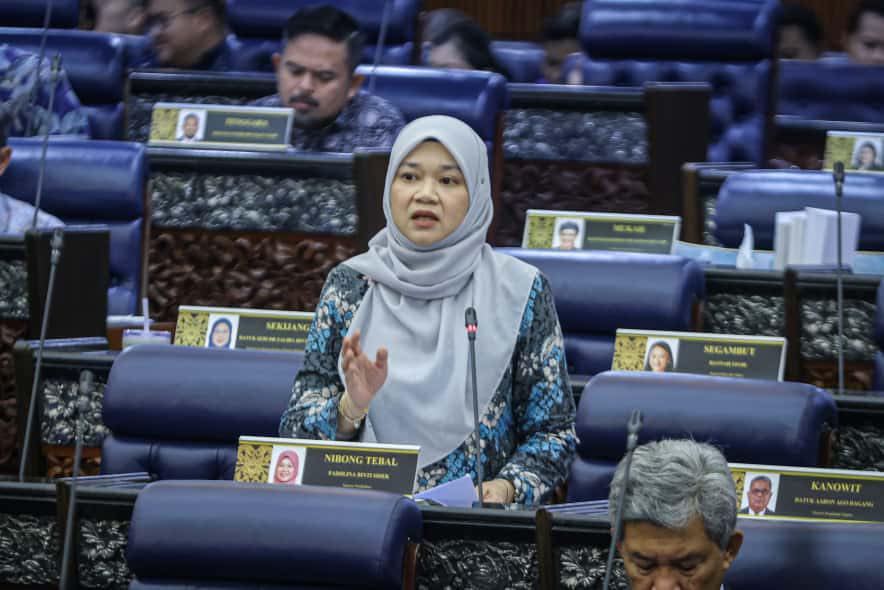
Education Minister Fadhlina Sidek said the reforms span several key areas, including the enforcement of compulsory secondary education, reducing teachers workload, strengthening school safety, and accelerating the construction and rehabilitation of schools. She added that these efforts will continue to be reinforced as the ministry prepares educators for the rollout of the new 2027 school curriculum.
The revised curriculum will be implemented in stages, beginning at the preschool level in 2026, followed by Year One and Form One in 2027. Fadhlina said this phased approach is aimed at ensuring teachers are adequately prepared and supported to deliver quality teaching and leaning (PdP) in classrooms.
One of the ministry’s most significant milestone was the approval of the Education (Amendment) Bill 2025 in Parliament, which made secondary education compulsory up to Form Five. with the amendment, every Malaysian child is now legally protected to remain in the education system until the completion of secondary school, effectively preventing dropouts after Year Six.

Addressing teacher welfare, Fadhlina said the MOE has prioritised reducing educators’ administrative burden so they can focus more fully on teaching. Measures include task reforms, the appointment of 562 assistant teachers, the placement of 600 assistant wardens under the Malaysia Short-Term Employment Programme (MySTEP), operational support in 281 secondary school, and improvements to the Daily Lesson Plan (RPH).
The ministry also recorded success in teacher recruitment, with 52, 948 new teachers appointed, achieving a 99 per cent filling, the highest in almost a decade, ensuring that nearly all classrooms nationwide are adequately staffed.
In terms of school safety, the MOE is implementing 11 safe schools initiatives across the country, including an allocation of RM5 million for the installation of CCTV cameras, the appointment of 10,096 new teachers and counsellors and 600 assistant dormitory wardens.
Fadhlina noted positive outcomes from literacy and numeracy intervention programme, with 398, 496 students successfully mastering basic reading, writing and arithmetic (3M) skills, an increase from 326, 051 students before the intervention was introduced.
Infrstructure development has also seed strong progress with 44 new schools constructed and 44 dilapidated school projects completed by 2025. Efforts to expand early childhood education have been strengthened through the extension of MOE preschools of national secondary schools, vocational colleges, and Institutes of Teacher Education (IPGs), improving access in urban, rural, and remote areas.
Commenting on post-pandemic recovery, Fadhlina said the national school calender will resume it’s January start beginning with the 2026 academic session, following four years of disrupted schedules. She added that initiates such as the expansion of K9 and K11 schools in remote areas have successfully achieved a zero dropout rate, ensuring students remain in school until they complete secondary education.
Source: Bernama
Follow us on Instagram, Facebook or Telegram for more updates and breaking news.