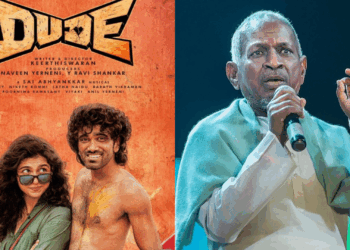

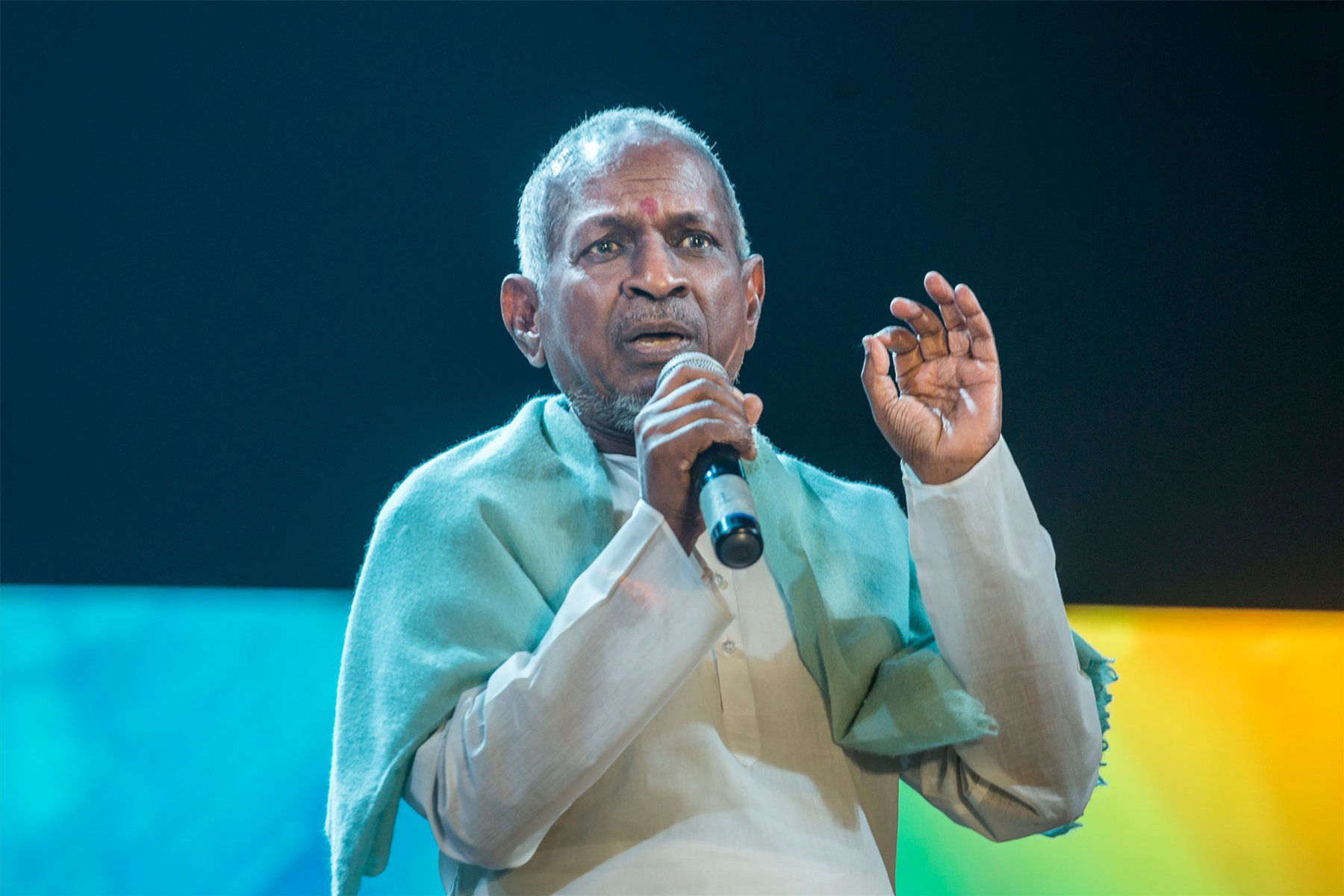
The long-standing legal dispute over the digital usage rights of legendary composer Ilaiyaraaja’s music was taken up for hearing at the Madras High Court recently, once again spotlighting questions of copyright ownership in the era of online platforms. Following the latest round of submission, the court has deferred further proceedings to 20th January 2026.
The case dates back to 2010, when Chennai-based music company Music Master approached the High Court, claiming ownership of the audio rights to songs from over 100 Tamil films, including acclaimed titles such as Pandiyan, Guna and Thevar Magan. The company argued that these songs had been licensed to a music label run by Ilaiyaraaja’s wife, Jeeva and alleged that platforms like YouTube and other social media sites were commercially exploiting the music without proper authorisation. Music Master sought a court order to restrain such usage.
During earlier hearings, Ilaiyaraaja himself appeared before the court to clarify the scope of agreements signed in 1997. As reported by Nakkheeran, the composer slated that these contacts were limited solely to audio releases and did not cover digital dissemination. He told the court that platforms such as YouTube and other social media networks did not exist at the time the agreements were executed and therefore could not have been contemplated within their terms. Ilaiyaraaja also asserted that he had never transferred ownership of his compositions, maintaining that producers were granted only the right to use the songs within specific films.
At the most recent hearing, veteran filmmaker RK Selvamani deposed in support of the composer. Underscoring Ilaiyaraaja’s authorship and creative control, Selvamani told the court, “Ilaiyaraaja has the exclusive rights to his songs. He has never signed over his songs to any film production. It is the producers who get the rights to sue them in their films and nothing more.”
The testimony reinforced the argument that digital and online platforms must obtain explicit permission before using Ilaiyaraaja’s music and that unauthorised exploitation amounts to copyright infringement. After recording Selvamani’s statement, the Madras High Court adjourned the matter to 20th January for further hearing.
The case continues to be closely watched, given it’s potential implications for music rights, legacy contracts and digital usage in the Indian film industry,
Sources: Cinema Express
Follow us on Instagram, Facebook or Telegram for more updates and breaking news.