

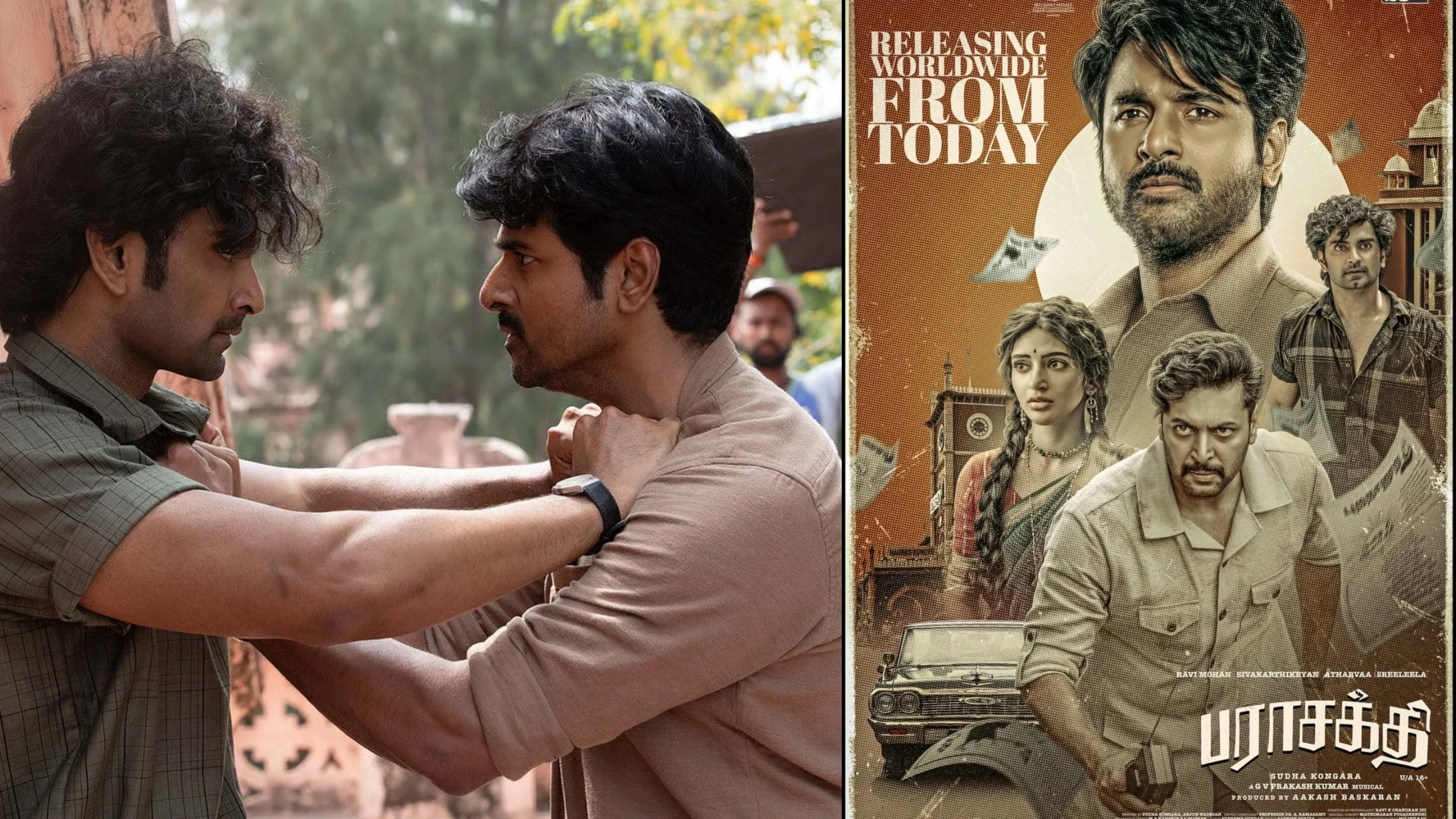
Director: Sudha Kongara
Cast: Sivakarthikeyan, Atharvaa, Sreeleela, Ravi Mohan
Music: G.V Prakash Kumar
Release Date: 10th January 2026
There are films that entertain, films that provoke, and then there are films that remind a people who they are. Parasakthi, directed by Sudha Kongara, firmly belongs to the third kind. Set against the politically charged backdrop of the 1965 Anti-Hindi imposition agitation in Madras State, the film does not merely revisit history, it reclaims it with urgency, empathy, and deep cultural consciousness.
This is not a fictional story loosely inspired by events. It is a lived reality, a chapter of Tamil history that shaped ideas of language, self-respect, and access. Sudha Kongara approaches this sensitive terrain with remarkable restraint and conviction, proving once again why she remains one of Tamil cinema’s most trusted storytellers when it comes to real-life narratives. While Parasakthi is not a biopic in the conventional sense, it carries the emotional weight and political truth of one.
Language as Identity, Not Just Communication
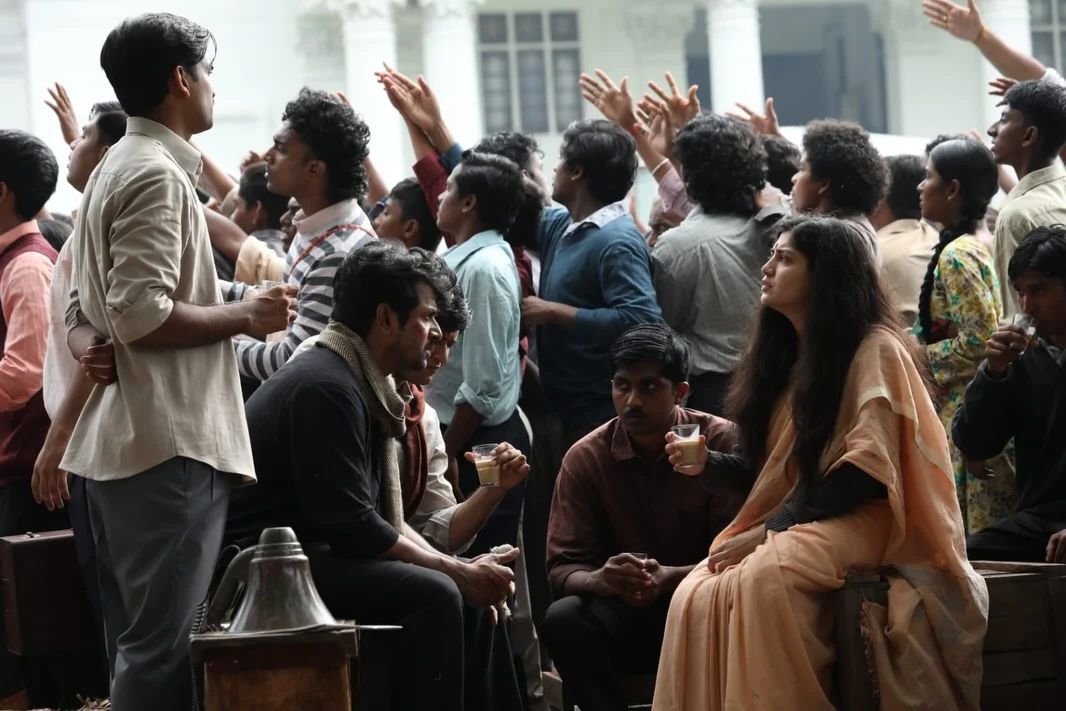
At it’s core, Parasakthi is a film about language, not as a tool, but as a right. The film articulates a powerful truth: the freedom to live, speak, and dream in one’s mother tongue is inseparable from dignity itself. Through it’s narrative, the film makes it clear that the resistance in 1965 was never about opposing another language, but about resisting forced erasure.
The screenplay repeatedly returns to this idea through everyday injustices. One of the most affecting moments involving people unable to access government services because it functions solely in Hindi. It is a simple scene, yet devastating in implication. Here, Sudha Kongara shows how policy decisions trickle down to ordinary lives, stripping people of agency and voice. The agitation, then, becomes not a political slogan but a fight for survival, access, and self-respect.
Two Brothers, One Awakening
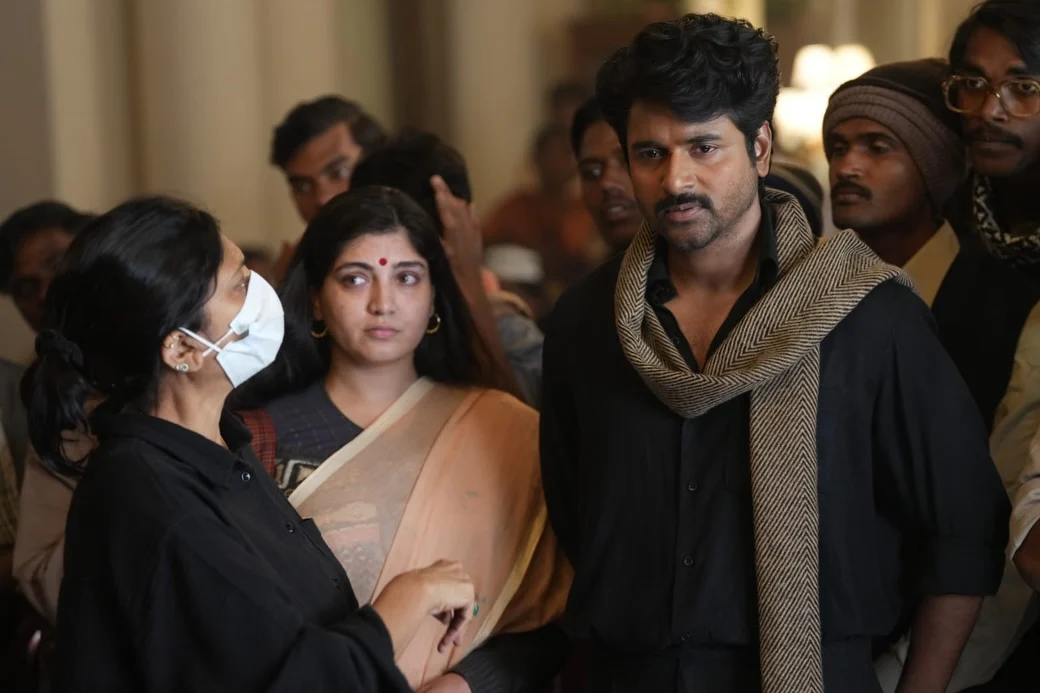
The film’s emotional backbone lies in the parallel journeys of two brothers, Cheziyan and Chinnadurai.
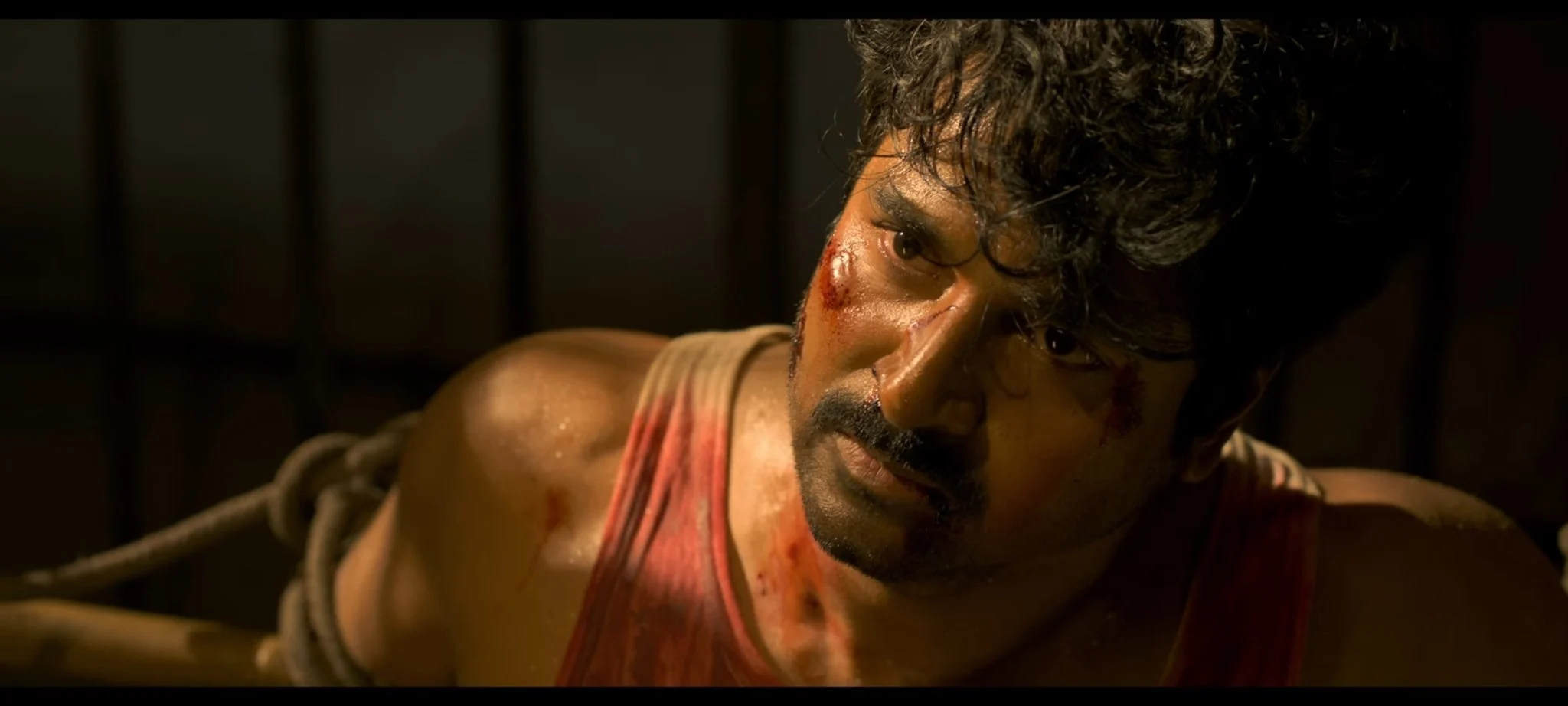
Sivakarthikeyan’s Cheziyan is principled, idealistic, and deeply rooted in Tamil identity. This is one of his most layered performances to date after Amaran (2024). He brings restraint where needed and fire where required, portraying a man who believes in resistance but also understands it’s cost. Cheziyan is brave, yet fearful, romantic, yet responsible, revolutionary, yet deeply human. Sivakarthikeyan balances these contradictions with maturity, making Cheziyan feel authentic rather than symbolic.
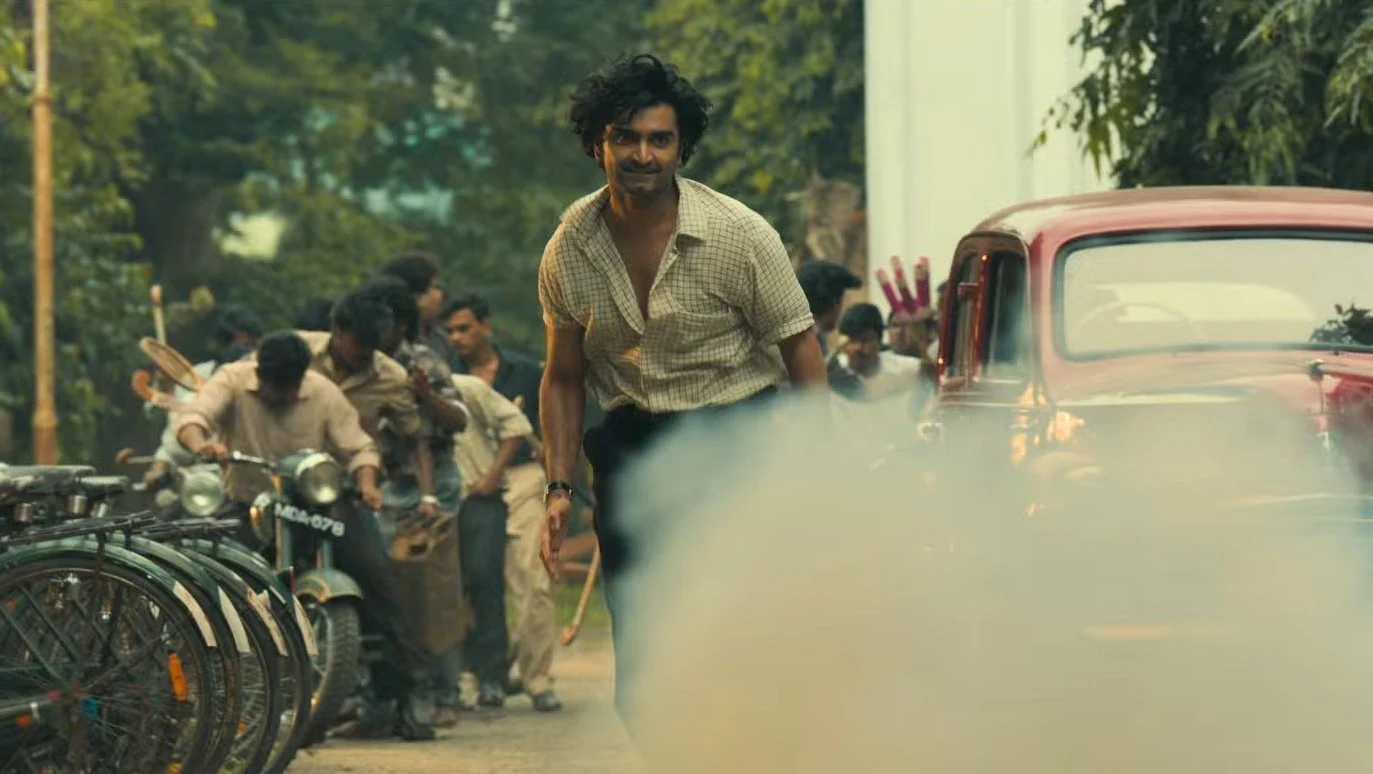
Atharvaa’s Chinnadurai is perhaps the film’s most compelling arc. Initially carefree, Chinna represents the many who believe social movements do not concern them until they do. Atharvaa sheds his familiar romantic-hero image and delivers a raw, grounded performance. His transformation is not sudden or dramatic, but gradual and organic, making his eventual commitment to the movement deeply earned. This is not a hero who listens quietly, it is a hero who questions, reacts, and fights back.
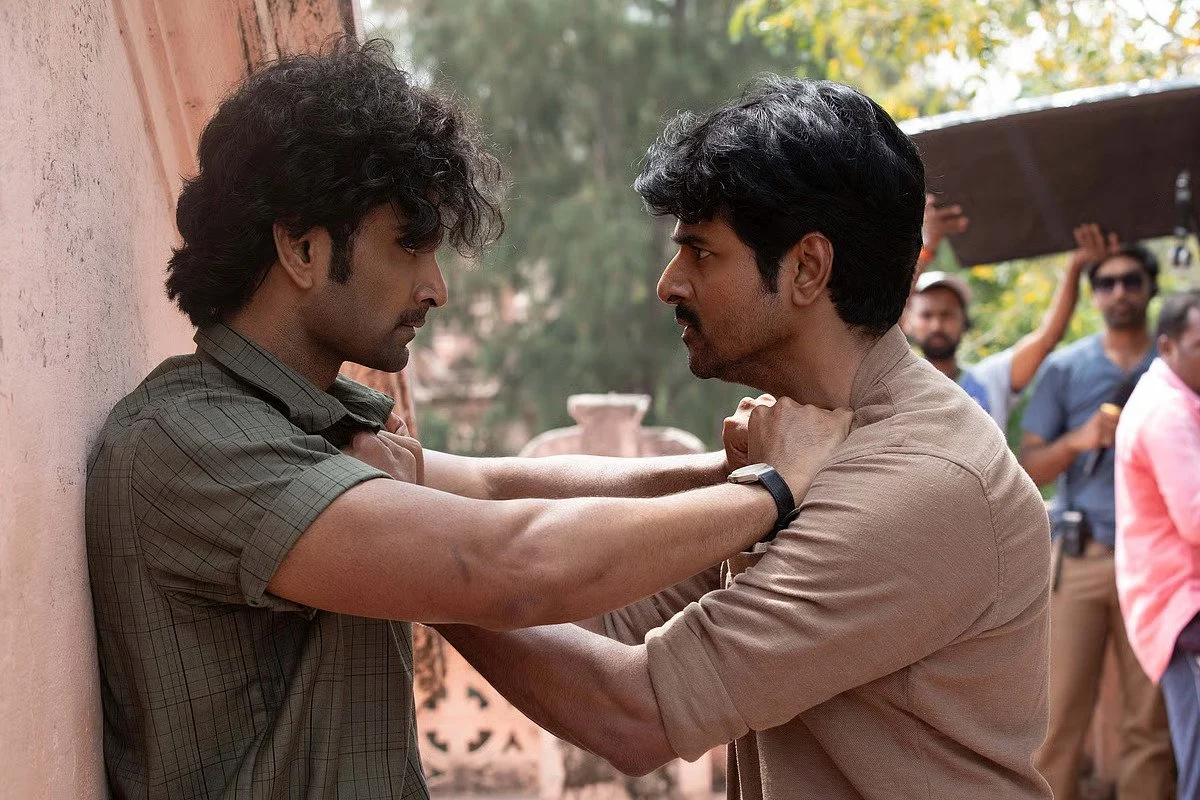
Together, the brothers journeys converse into a shared realization: That the fight is not for themselves alone, but for future generations who deserve the freedom to choose their language and identity.
Women Who Stand Firm
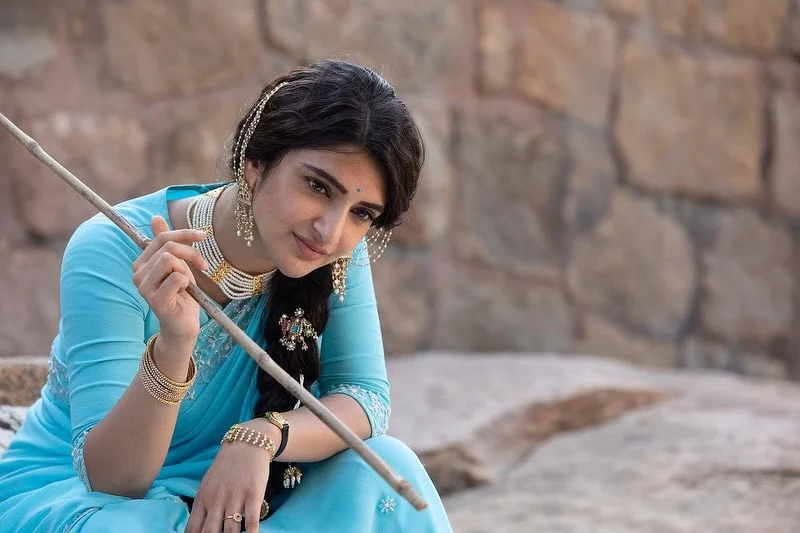
In her Tamil Debut, Sreeleela makes a confident and refreshing entry as Rarthanmala. Far from being a decorative presence, she brings warmth, courage and emotional steadiness to the film. Her character is goofy yet brave. Rathanamala stands by the brothers not as a passive supporter but as an equal participant in their ideological struggle. Sreeleela’s performance is natural and promising, marking a strong beginning to her Tamil film journey.
A Villain You Truly Despise
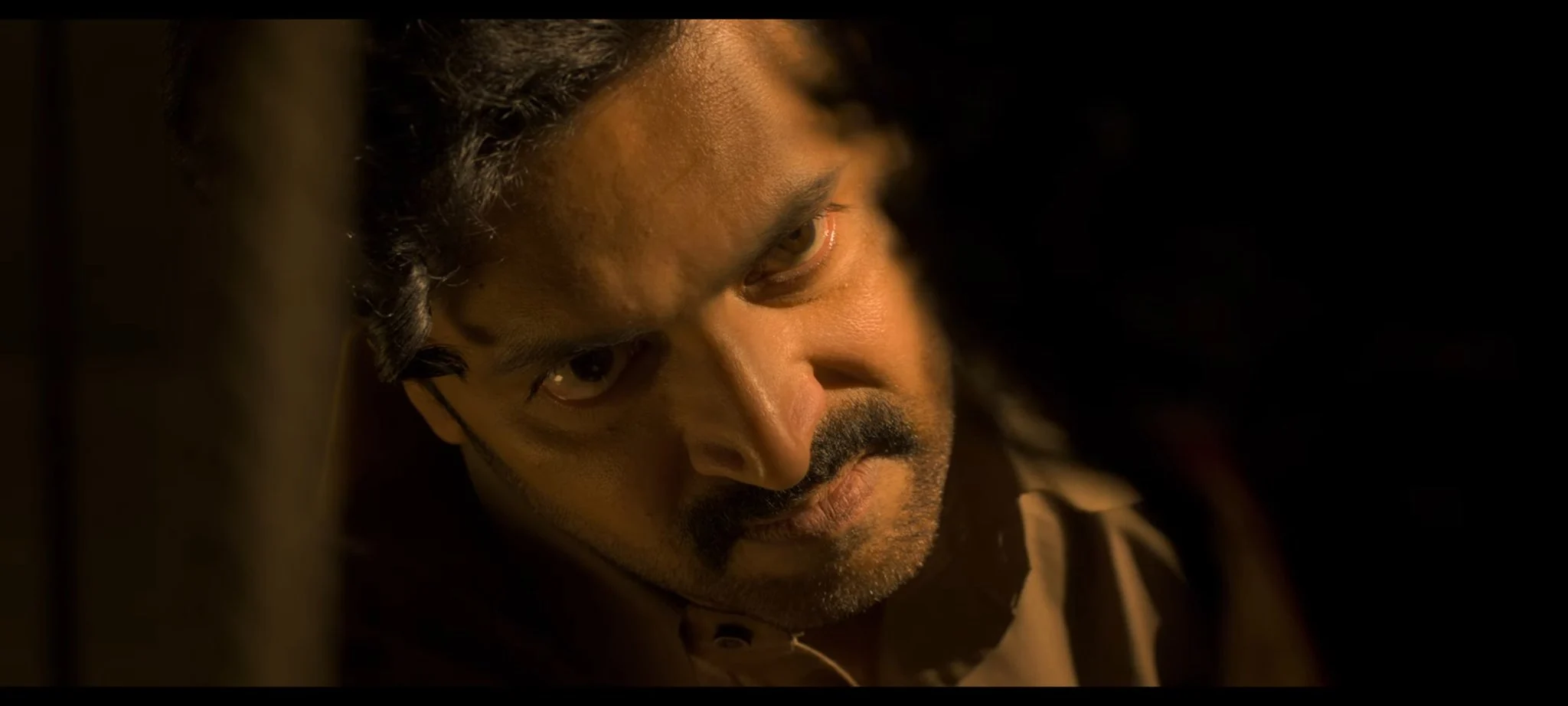
Ravi Mohan’s casting as the antagonist Thiru is one of Parasakthi’s most effective decisions. Known largely for his heroic roles, Ravi Mohan subverts expectations here, and how. Thiru is cold, authoritative and devoid of empathy, embodying the faceless machinery of oppressive power. What makes his performance remarkable is that he never overplays the villainy. He is calm, and terrifying indifferent. The true mark of a well-written villain is the audience’s emotional reaction, and Parasakthi succeeds, Thiru is someone you genuinely despise.
Music That Carries Memory
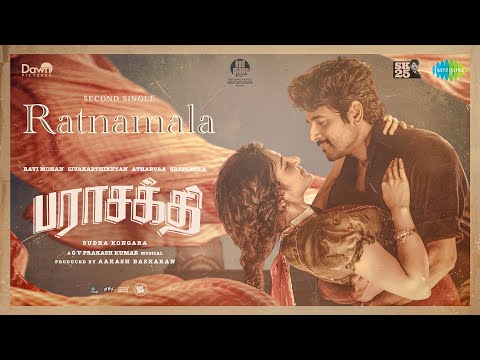
G.V. Prakash Kumar’s music acts as the film’s emotional undercurrent. The background score elevates moments of resistance, grief, and hope without overpowering them. The love tracks brings softness to an otherwise politically intense narrative, reminding us of what is at stake when people fight, not just ideology but life, love and future. The music feels rooted in the era while remaining emotionally accessible to contemporary audiences.
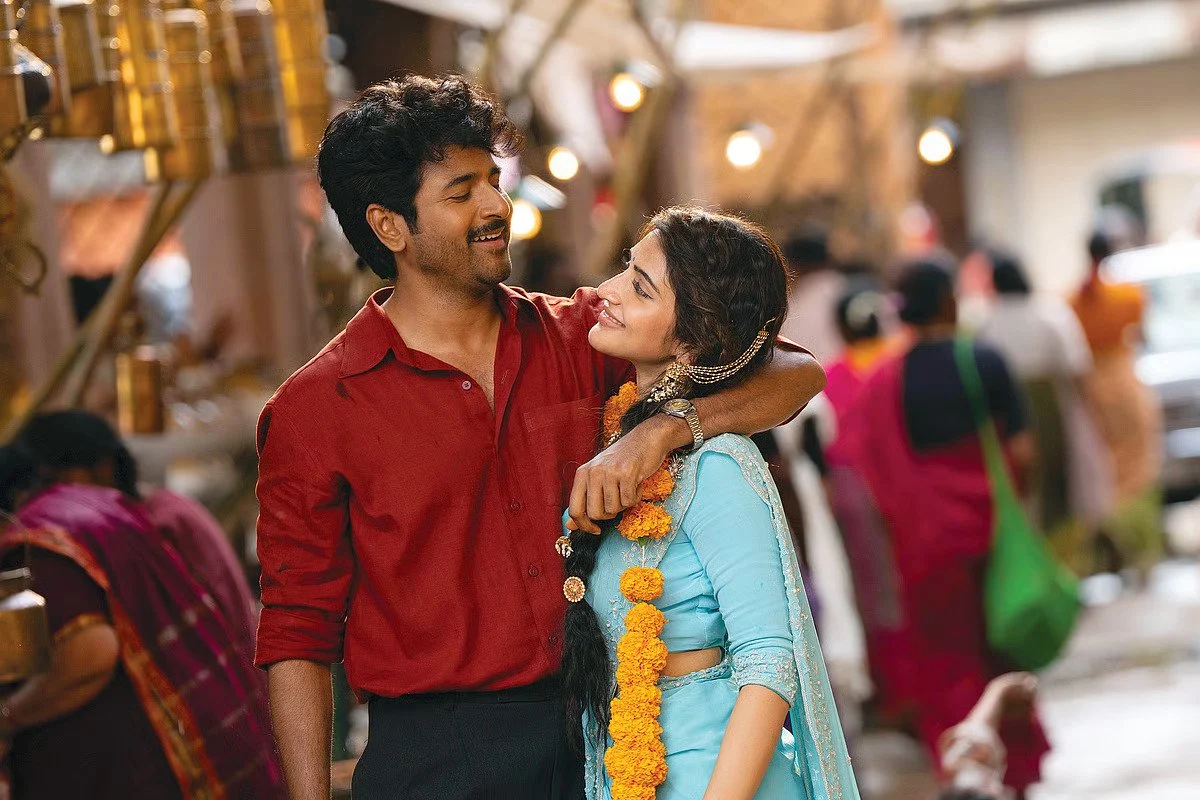
Crafting 1965 with Conviction
Technically, Parasakthi is a triumph. From production design to costumes, the film convincingly recreates 1965 Madras without drawing attention to it’s own authenticity. The dialogues are sharp and purposeful, often carrying ideological weight without slipping into preachiness. Sudha Kongara’s control over tone ensures that the film never becomes a lecture, it remains a lived experiences.
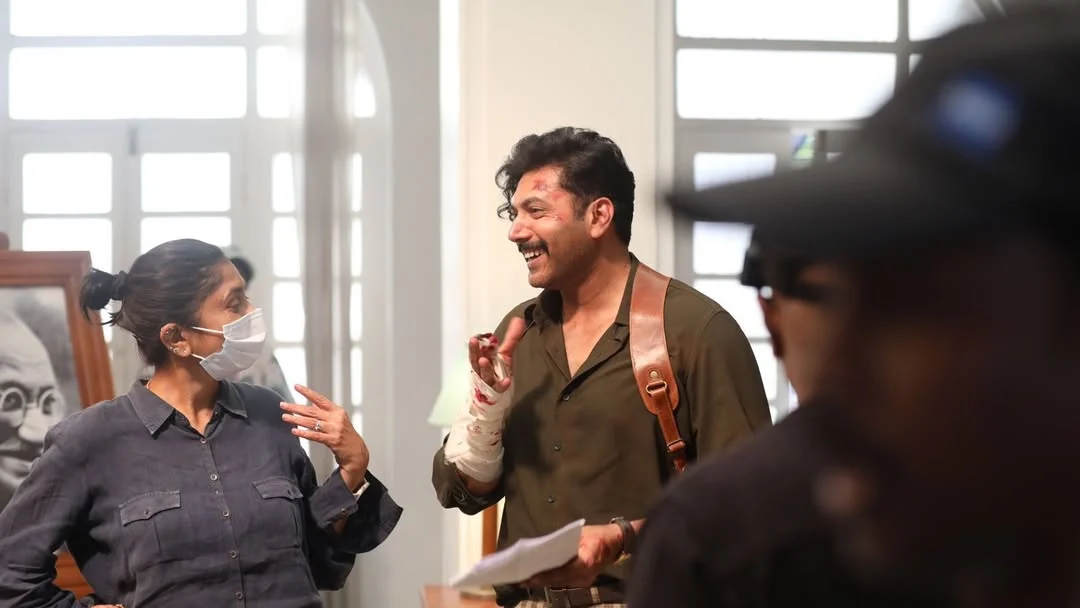
Parasakthi is more than a period film. It is a reminder of why language matters, why roots matter, and why freedom of choice must never be taken lightly. In an era where identity is often diluted, the film stands tall in asserting that cultural pride and inclusivity can coexist.
More importantly, Parasakthi deserves to be seen. This is a film that must be watched, discussed, and remembered, not allowed to fade away quietly. It speaks not just for the past, but for the present and the future, making it a responsibility as much as a cinematic experiences. Some films ask for your time, Parasakthi is a film that is worth honouring.
Follow us on Instagram, Facebook or Telegram for more updates and breaking news.