

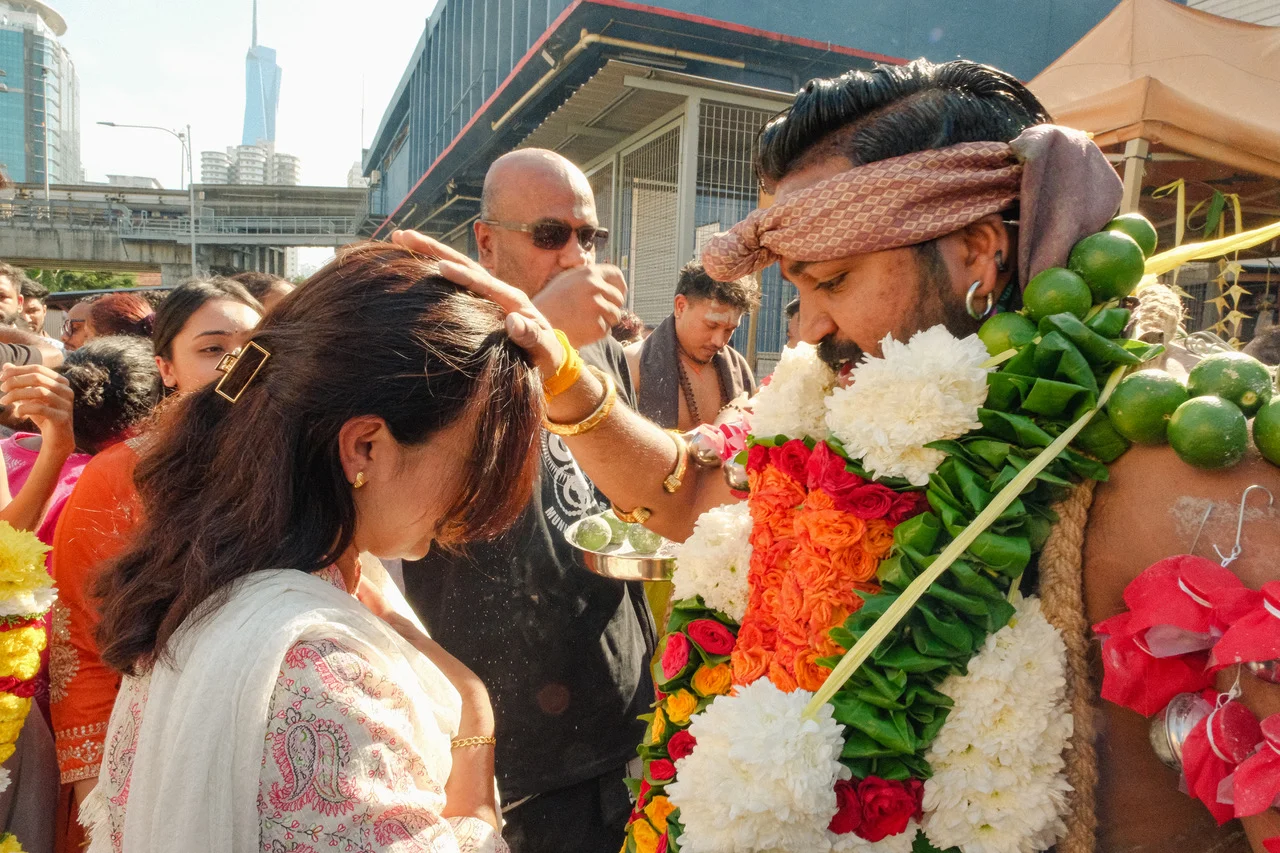
At Kuil Sri Maha Muneswarar, faith arrives each year not as an idea, but as an act. During Thiruvizha 2026, devotion is carried openly, through skin, distance, discipline, and resolve. Here belief is not observed from afar; it is lived, step by barefoot step.
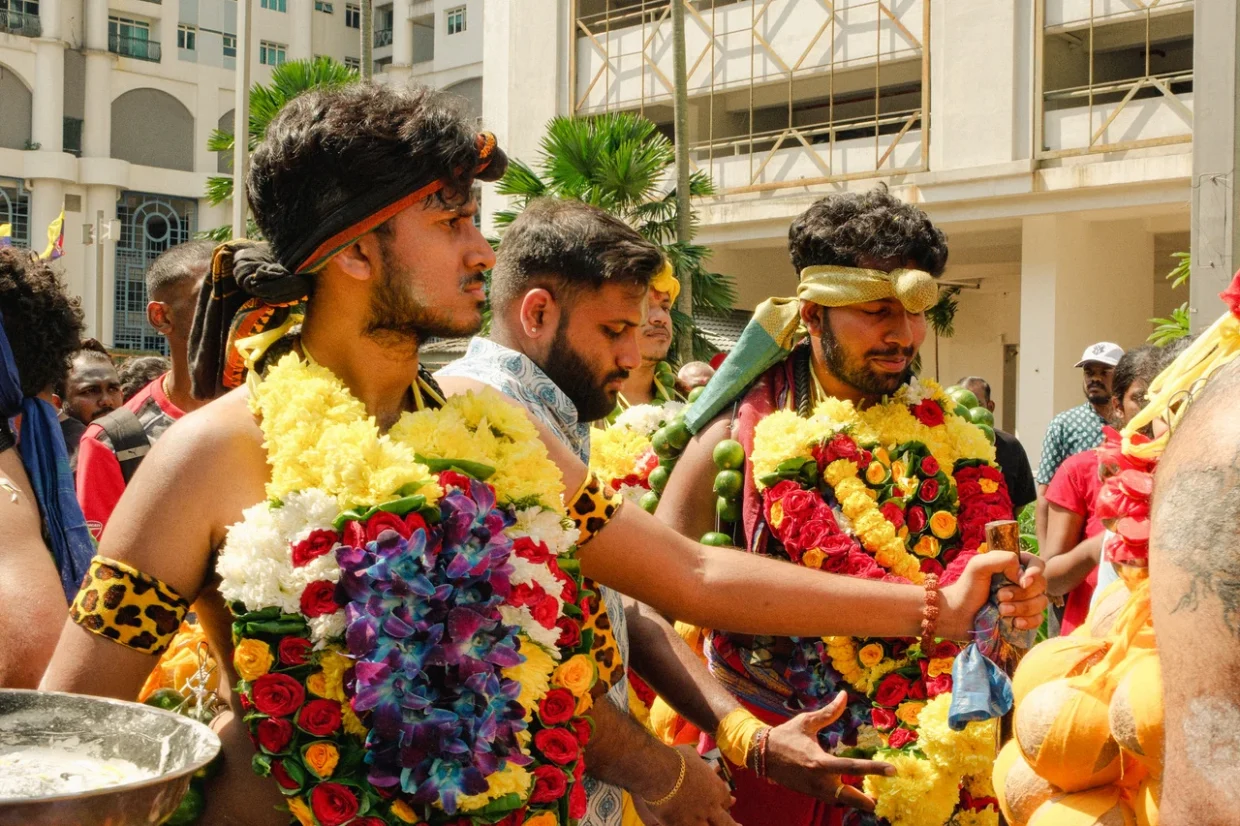
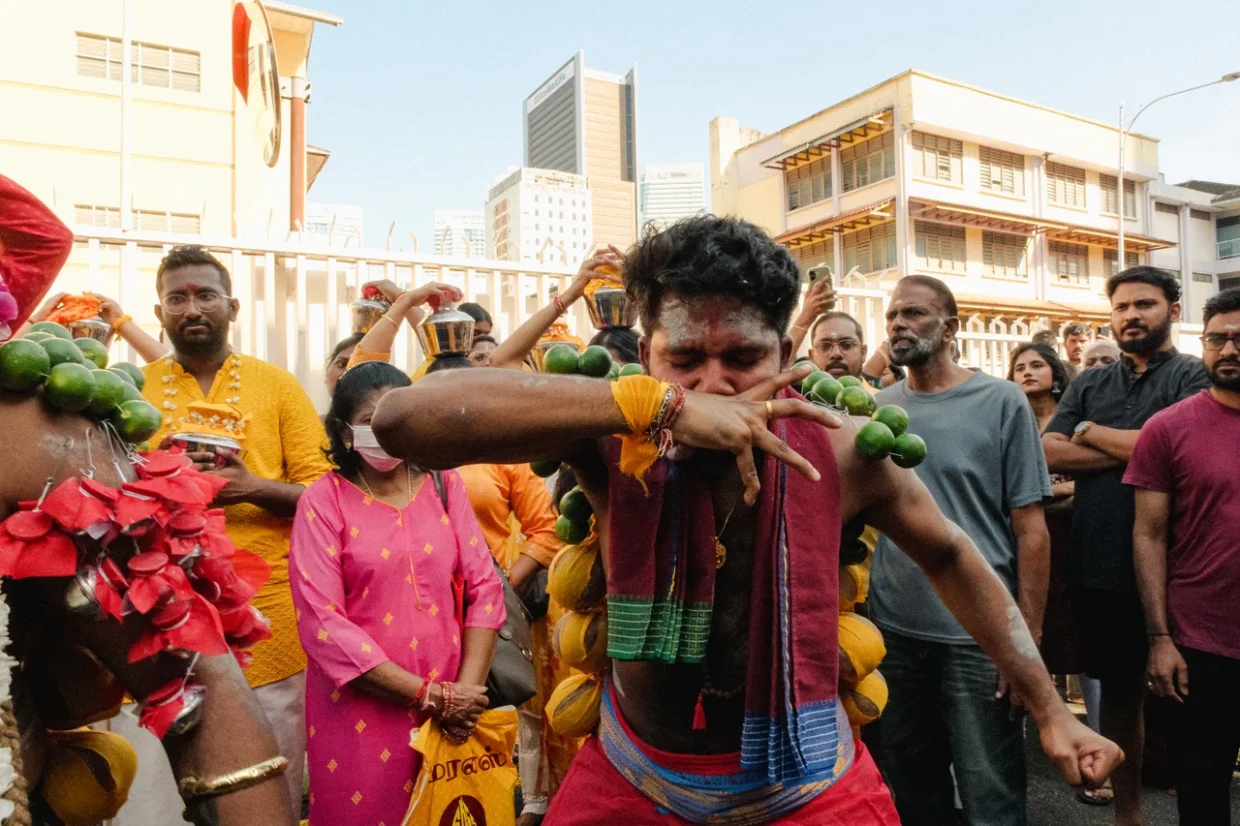
For many devotees, Kavadi does not rise skyward in elaborate structures. Instead, it moves inward. Lime piercings, coconut piercings, and a barefoot walk of approximately 1.5 kilometres under the sun become the medium through which vows are fulfilled. The body itself becomes the offering. The road becomes the prayer.
Long before the procession begins, preparation quietly unfolds. Limes are pierced with care, coconuts secured with precision, and bodies steadied through focus and restraint. What might appear extreme to an outside gaze is, within this space, a disciplined ritual approached with calm intention. There is no chaos here, only concentration, ritual memory, and collective purpose.
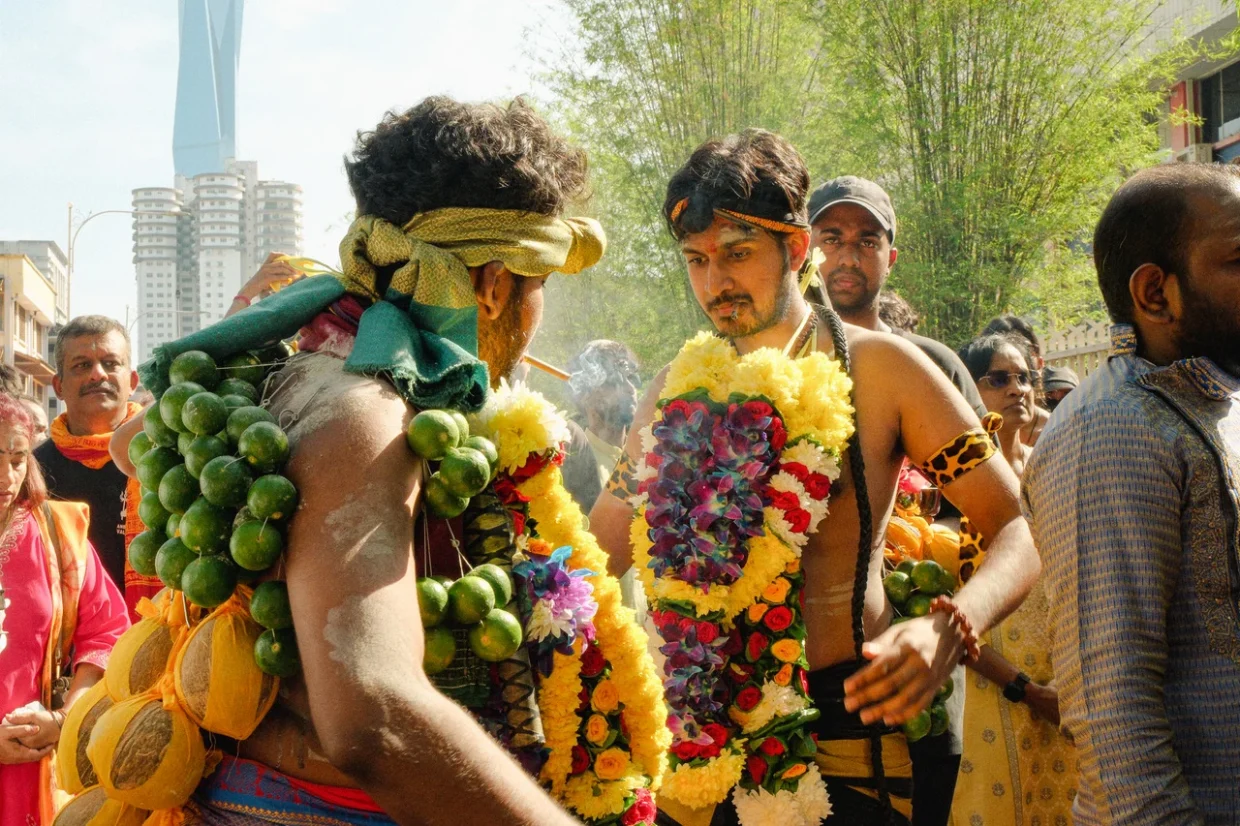
When the walk begins, the environment transforms. Heated asphalt meets bare skin. Distance replaces time. Each step is deliberate, measured not in metres but in meaning. The 1.5-kilometre journey is not merely physical movement, it is completion. A promise made in prayer is answered through endurance.
Pain is often the first narrative imposed on such rituals. Yet within Thiruvizha, endurance is not framed as suffering. It is surrender. It is gratitude, repentance, protection, and thanksgiving made visible. Lime and coconut piercings are not spectacles, they are commitments. The body becomes testimony.
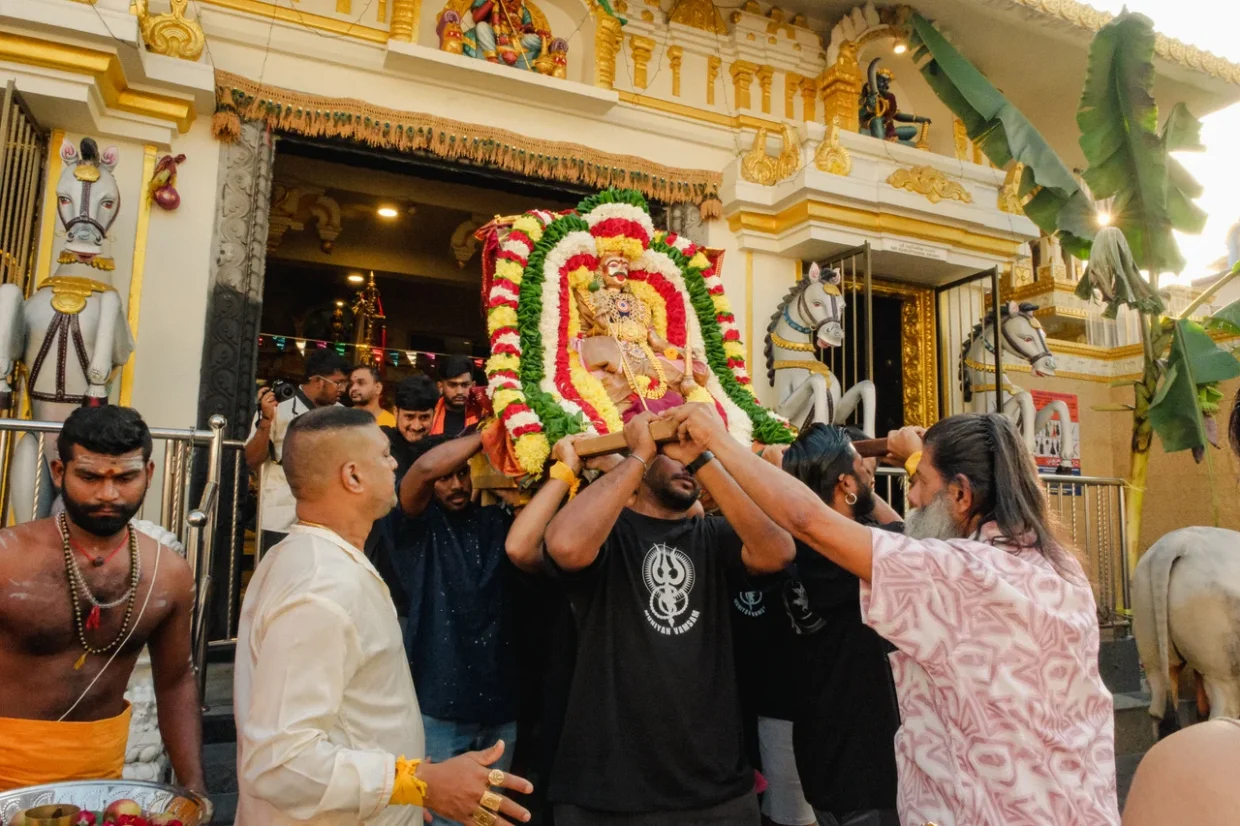
Standing within this sacred environment is documentary photographer, Nhitrisya Yuvendran, who returns to Thiruvizha not as an observer chasing intensity, but as a witness attuned to meaning. While devotees carry kavadi through flesh and distance. Nhitrisya carries hers through a camera. Their vows are etched in skin and sweat. Hers is preserved through frames and archives.
This body of work builds on her 2025 series Echoes of Devotion, extending it into a deeper study of continuity. By returning year after year, she documents more than an annual event. She records a living tradition. One that is sustained, inherited, and renewed within Malaysia’s Hindu Community.
In a multicultural landscape where identity is often negotiated, Thiruvizha at Kuil Sri Maha Muneswarar becomes a powerful reaffirmation of belonging. It binds generations through shared ritual and collective endurance. It reminds us that faith is not passive. It is carried. It is practiced. It is lived.
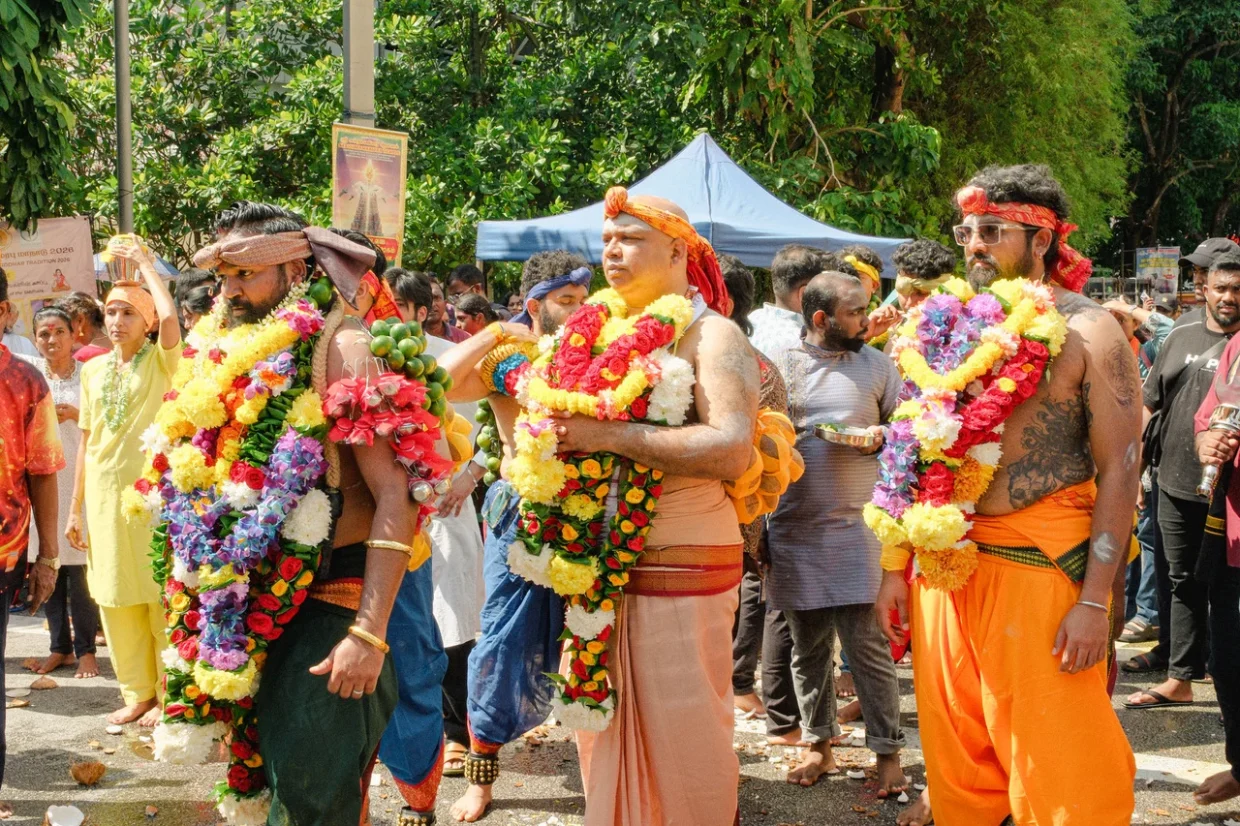
Through her lens, Nhitrisya resist surface readings of ritual intensity. Instead, she centres the human moments, the steadiness in a devotee’s gaze, the controlled breath before piercing, the quiet determination in each barefoot step along the heated road. Her photography does not sensationalise devotion; it listens to it.
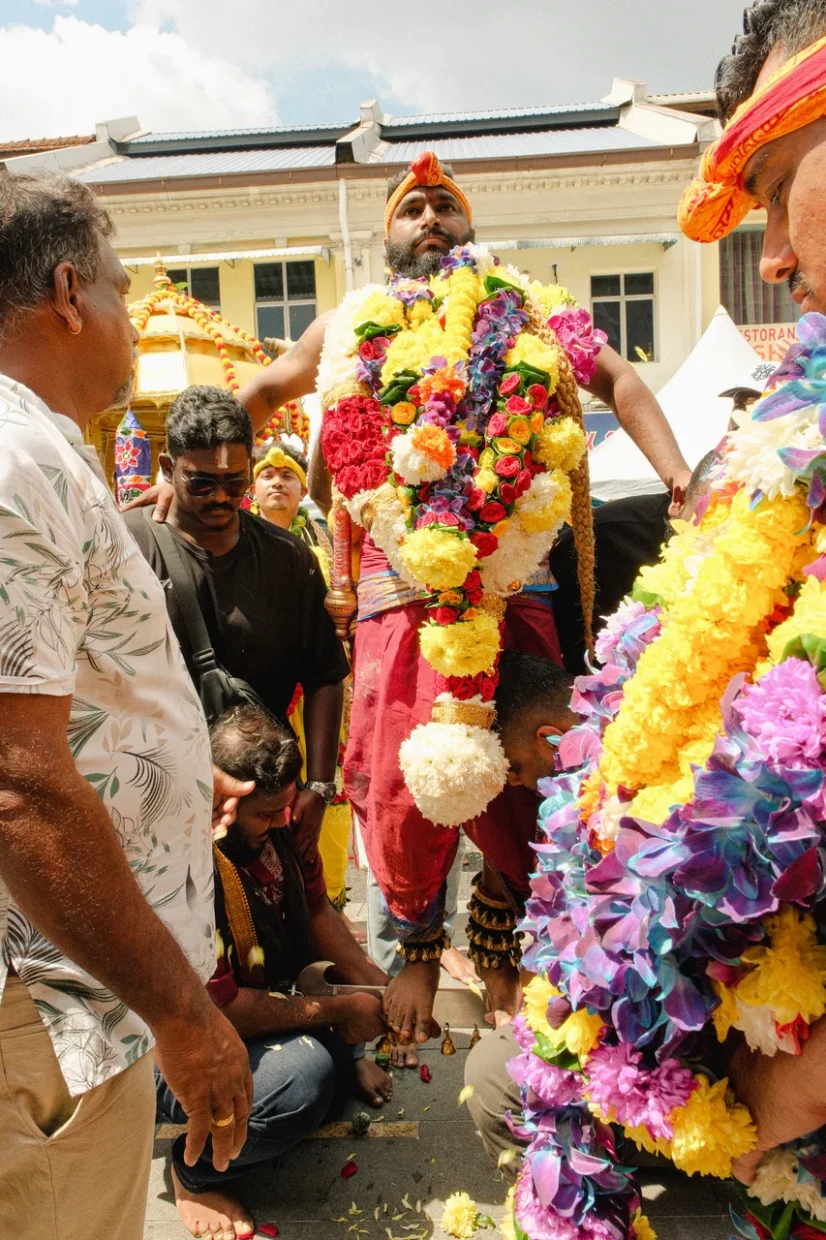
In this space, photography becomes both witness and responsibility. It requires proximity without intrusion, documentation without dominance. Sacred acts are not performances for the camera, but deeply personal negotiations between devotee and the divine.
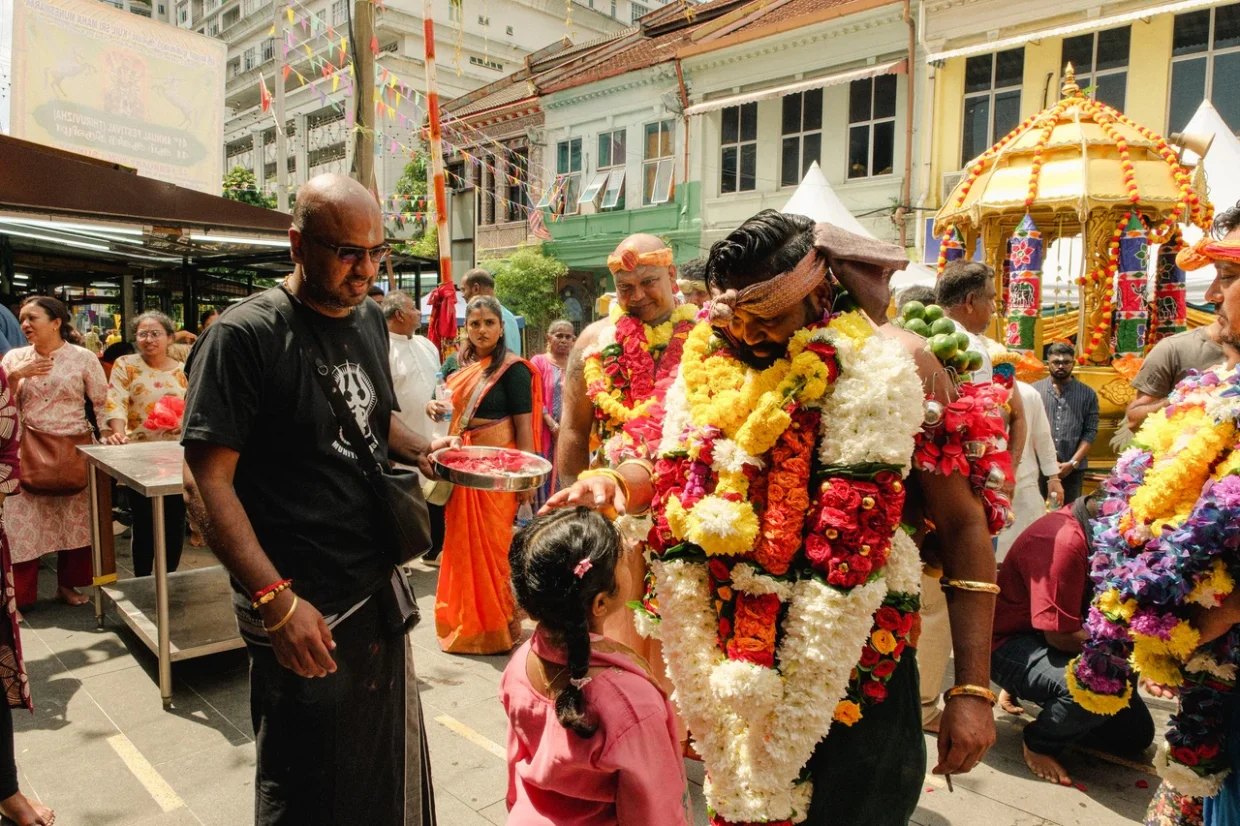
When the walk ends and the piercings are removed, the visible marks of endurance fade. But the vow fulfilled remains. The distance walked cannot be undone. The offering has been made. Their Kavadi is carried through lime, coconut, and heat. Hers is carried through light.
And the echo of devotion continues.
This feature reflects the opinion and documentation of Nhitrisya Yuvendran.
Follow us on Instagram, Facebook or Telegram for more updates and breaking news.