

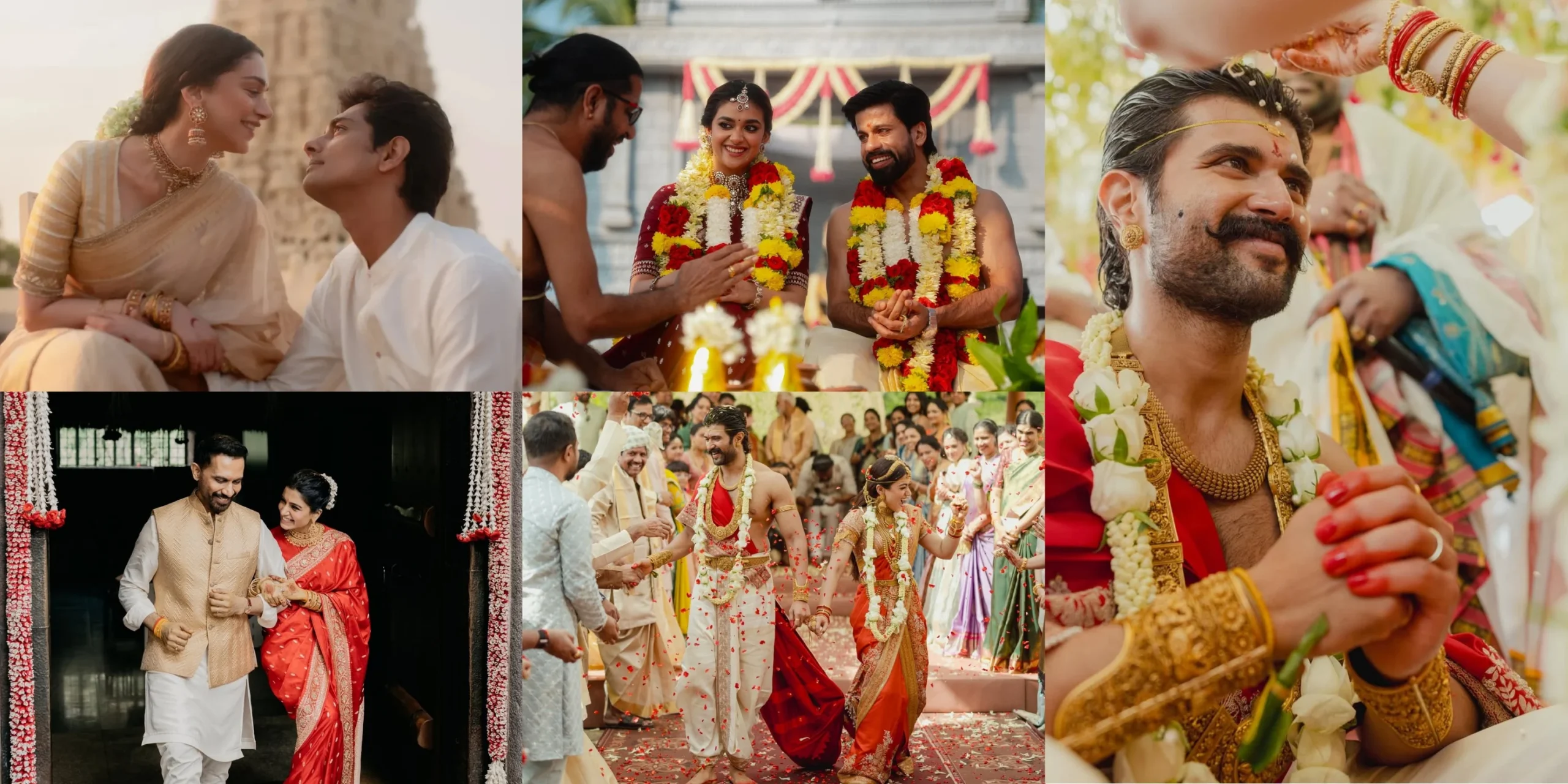
In a wedding landscape dominated by couture experiments, and Pinterest-driven aesthetics, a different kind of luxury is quietly reclaiming space, heritage fashion. Recent South Indian Celebrity weddings have shifted the spotlight away from novelty and towards silk sarees, temple jewellery, traditional menswear, and styling rooted in ritual. The result is not minimalism, but meaningful.
Rather than chasing trends, these weddings turned to textiles and adornments that already carry centuries of design intelligence. And that choice has struct a chord.
The Saree Takes Back the Centre Stage
Across these ceremonies, the saree was not treated as a styling option, it was the anchor. Brides embraced handwoven silks, classic drapes, and restrained palettes, allowing craftsmanship to lead the visual narrative.
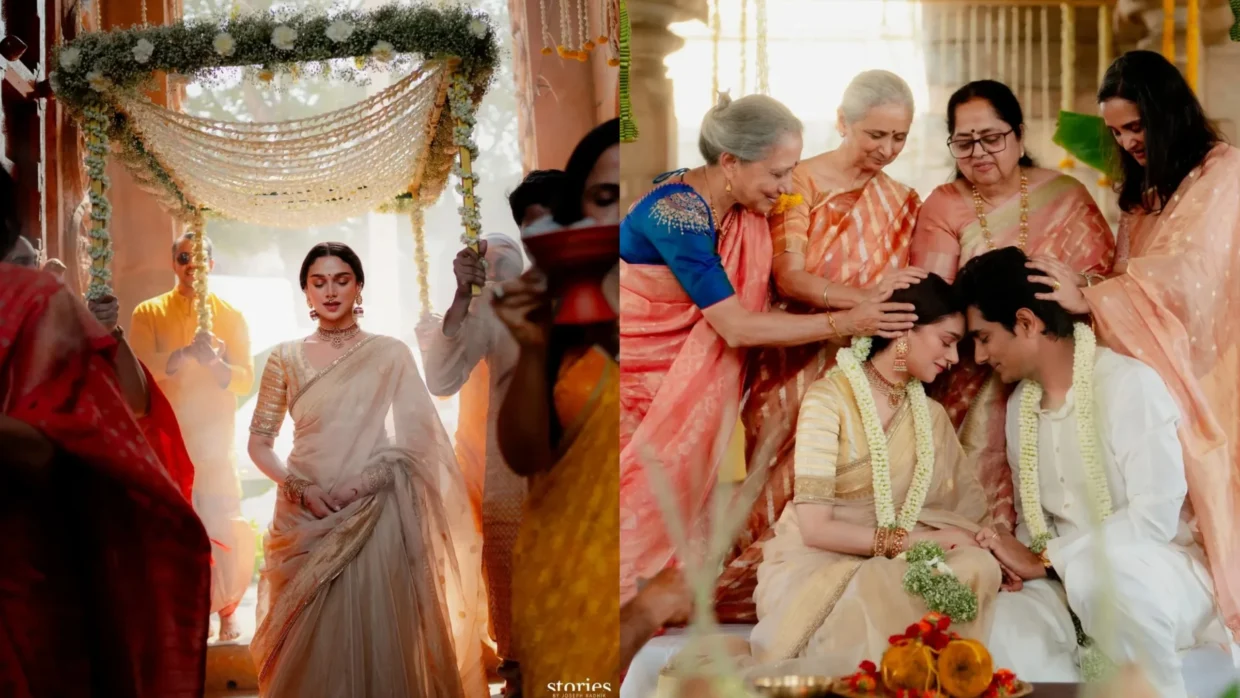
For Aditi Rao Hydari, the bridal look leaned into understated elegance, a traditional silk saree paired with heirloom-style jewellery, avoiding heavy layering or experimental silhouettes. Similarly, Keerthy Suresh chose a classic South Indian bridal aesthetic, rich silk, temple gold, and a drape that honoured ritual over reinvention.
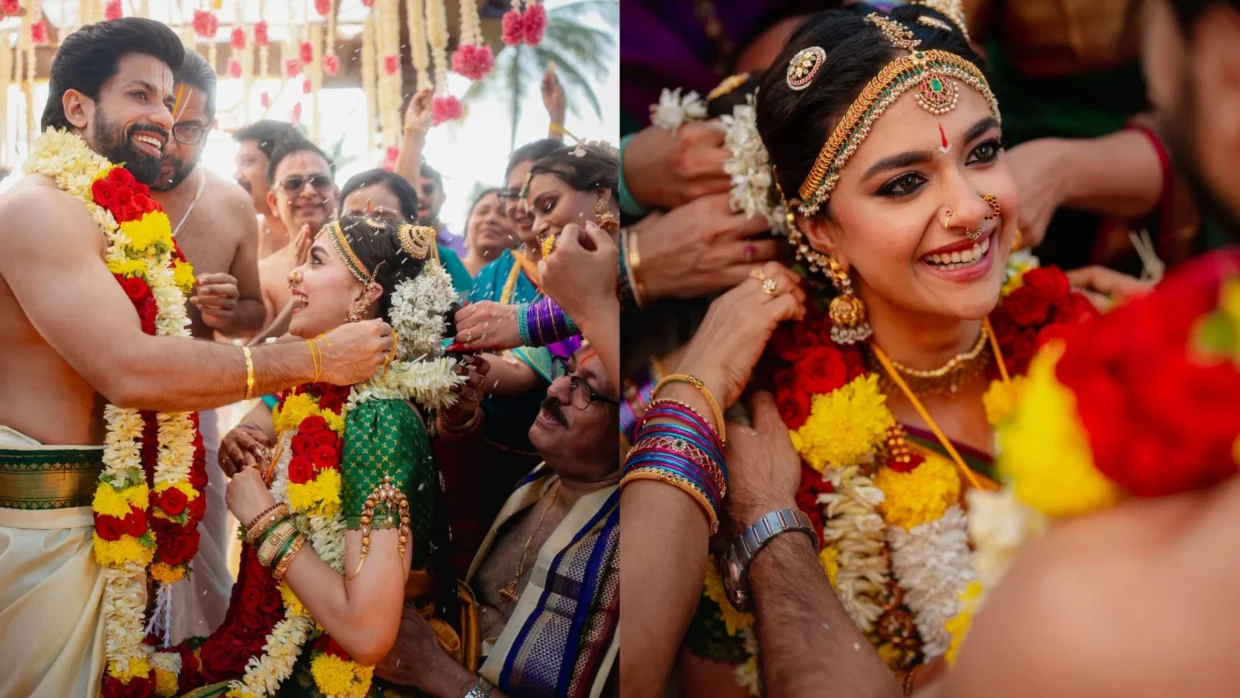
What stood out was not embellishment, but confidence in tradition. These sarees didn’t need contemporary updates, their relevance was intact.
Jewellery That Carries Weight: Literally and Symbolically
Perhaps the most visually compelling shift came in the approach to jewelry. Temple inspired gold, oddiyanams, and layered necklaces dominated these weddings, not as excess but as design language.
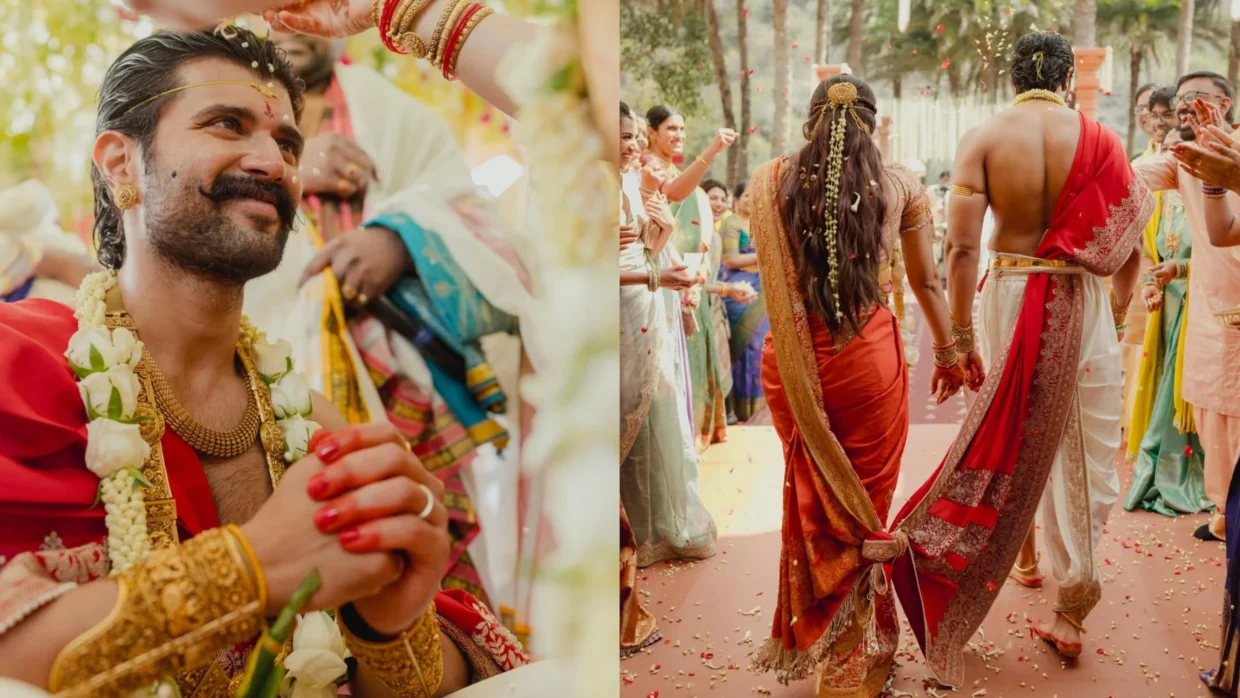
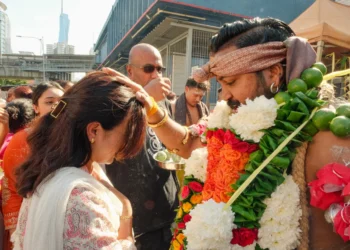
The conversation intensified with Rashmika Mandanna and Vijay Deverakonda, whose Telugu traditional wedding styling disrupted an unspoken norm. While South Indian brides have always worn substantial jewellery, Vijay’s look stood out for doing the same. Draped in traditional attire, an ivory dhoti silhouette paired with a vermilion angavastram, layered with gold ornaments, he revived a forgotten visual truth, grooms, too were once richly adorned.
Historically, men in South Indian weddings wore jewellery as markers of prosperity, protection and spiritual grounding. Over time, that tradition faded into minimalist tailoring. By reintroducing heavy gold into the groom’s look, this wedding subtly corrected a modern imbalance in bridal fashion.
Menswear Steps Out of the Background
South Indian wedding fashion has long focused on brides, but these ceremonies brought renewed attention to traditional menswear. Veshties, angavastrams, silk dhotis, and layered accessories were styled with intention, not as afterthoughts.
The pairing of handloom textiles with gold jewellery reframed the groom as a visual equal in the ceremony, not just complementary presence. This shift suggest a broader rethinking of wedding fashion, where ornamentation is no longer gendered, but cultural.
Styling Without Over-Designing
What united these weddings stylistically was restraint. Hair was worn naturally, makeup remained soft, and accessories were purposeful. There was no urge to modernise tradition for novelty’s sake.
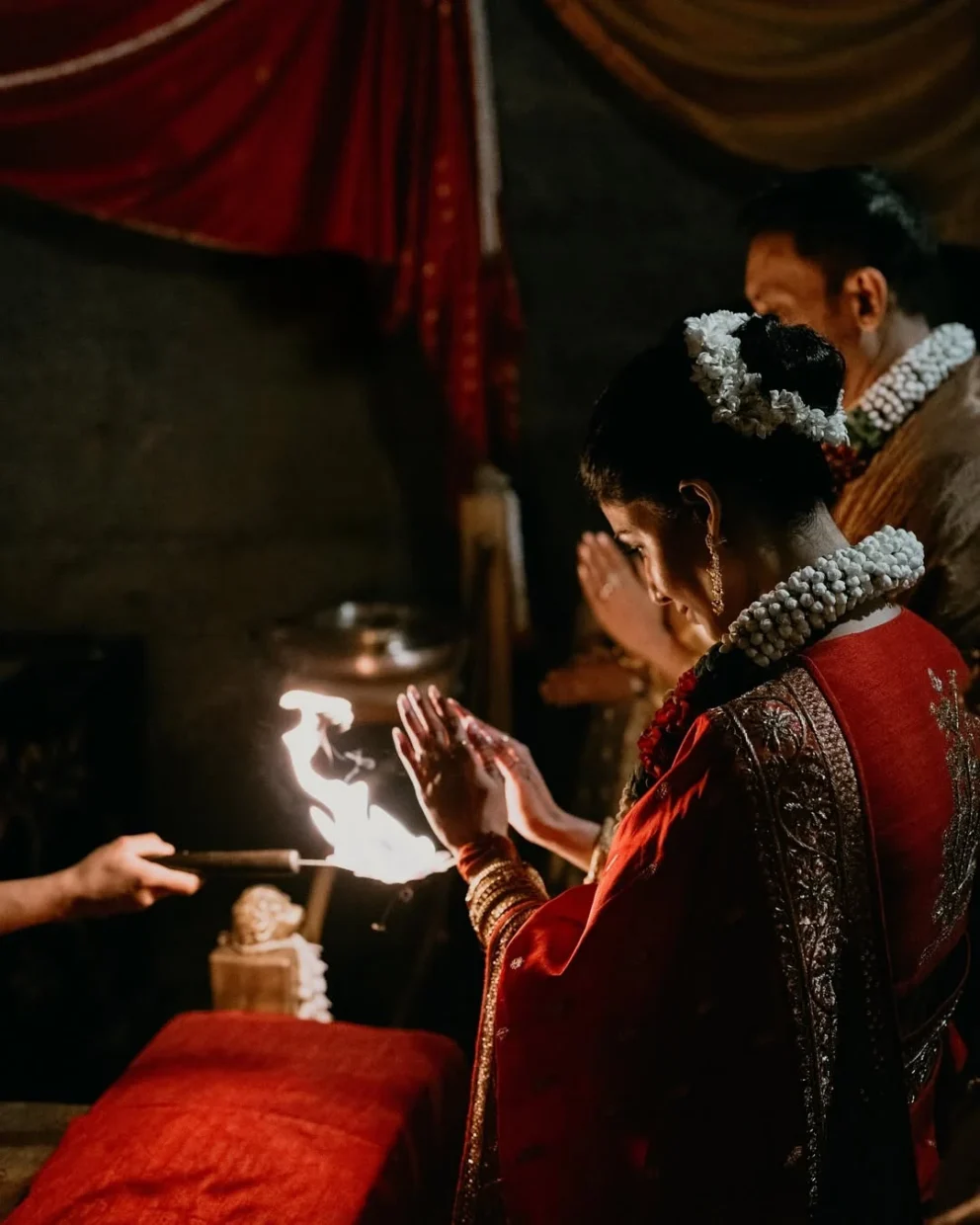
For Samantha Ruth Prabhu and Raj Nidmoru, the wedding aesthetic stayed firmly within the language of ritual, simple traditional clothing, symbolic jewellery, and styling that prioritised sanctity over spectacle.
Why This Fashion Moment Feels Different
What makes these weddings significant is not nostalgia, but intentionality. In choosing silk over silhouette experimentation, temple jewellery over diamond, and ritual styling over trend-led looks, these celebrities reaffirmed something powerful: South Indian wedding fashion doesn’t need reinvention, it needs recognition.
These looks resonate because they are aspirational yet accessible, glamorous yet familiar. They mirror weddings across South India, where sarees are chosen for their weight, jewellery for it’s blessing and clothing for it’s place in ritual.
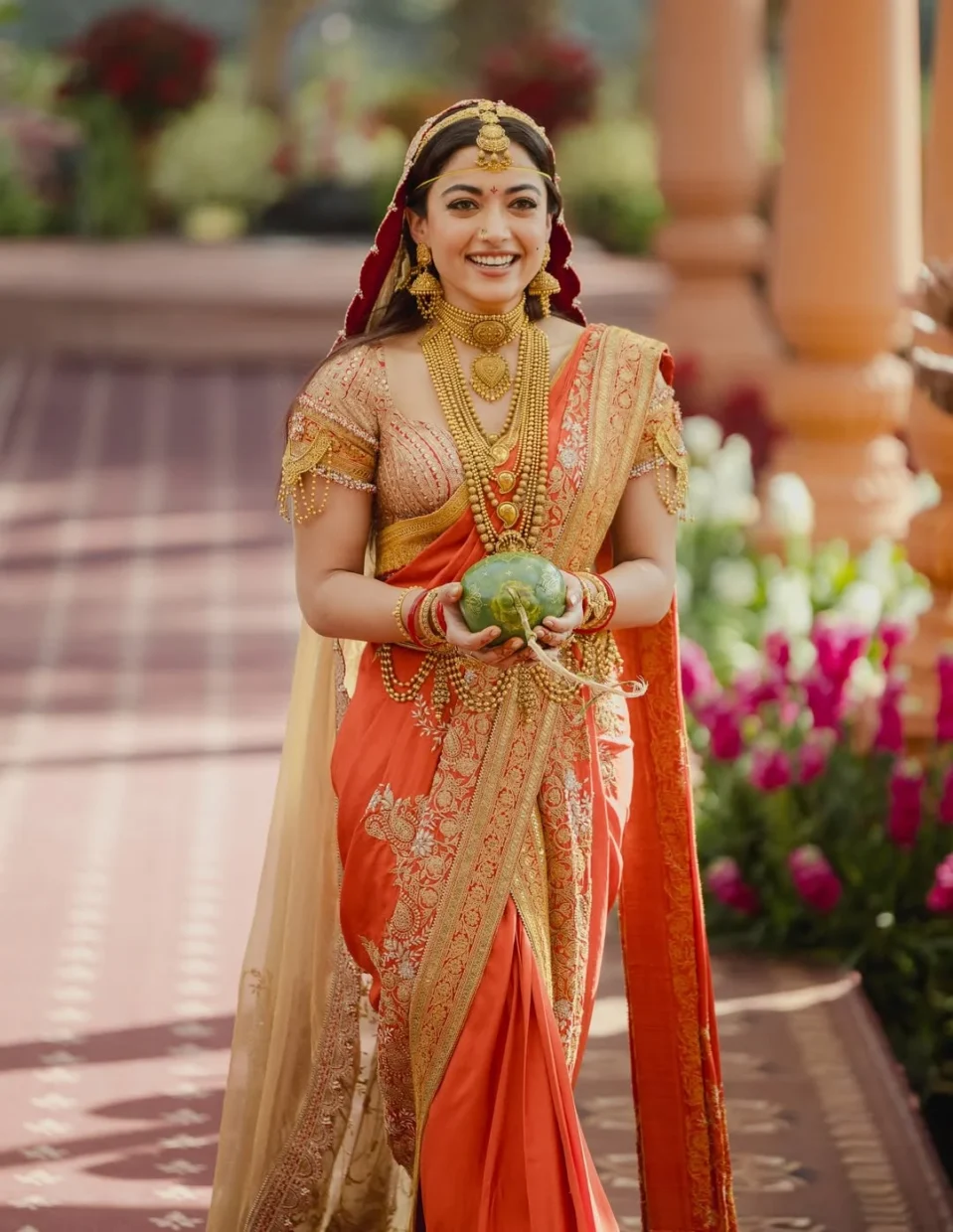
In stepping away from spectacle, these wedding have redefined luxury, not as excess, but as continuity. And in doing so, they’ve made traditional South Indian wedding fashion feel not just relevant again, but enduring
And in doing so, they’ve made traditional South Indian wedding fashion feel not just relevant again, but enduring.
Follow us on Instagram, Facebook or Telegram for more updates and breaking news.