
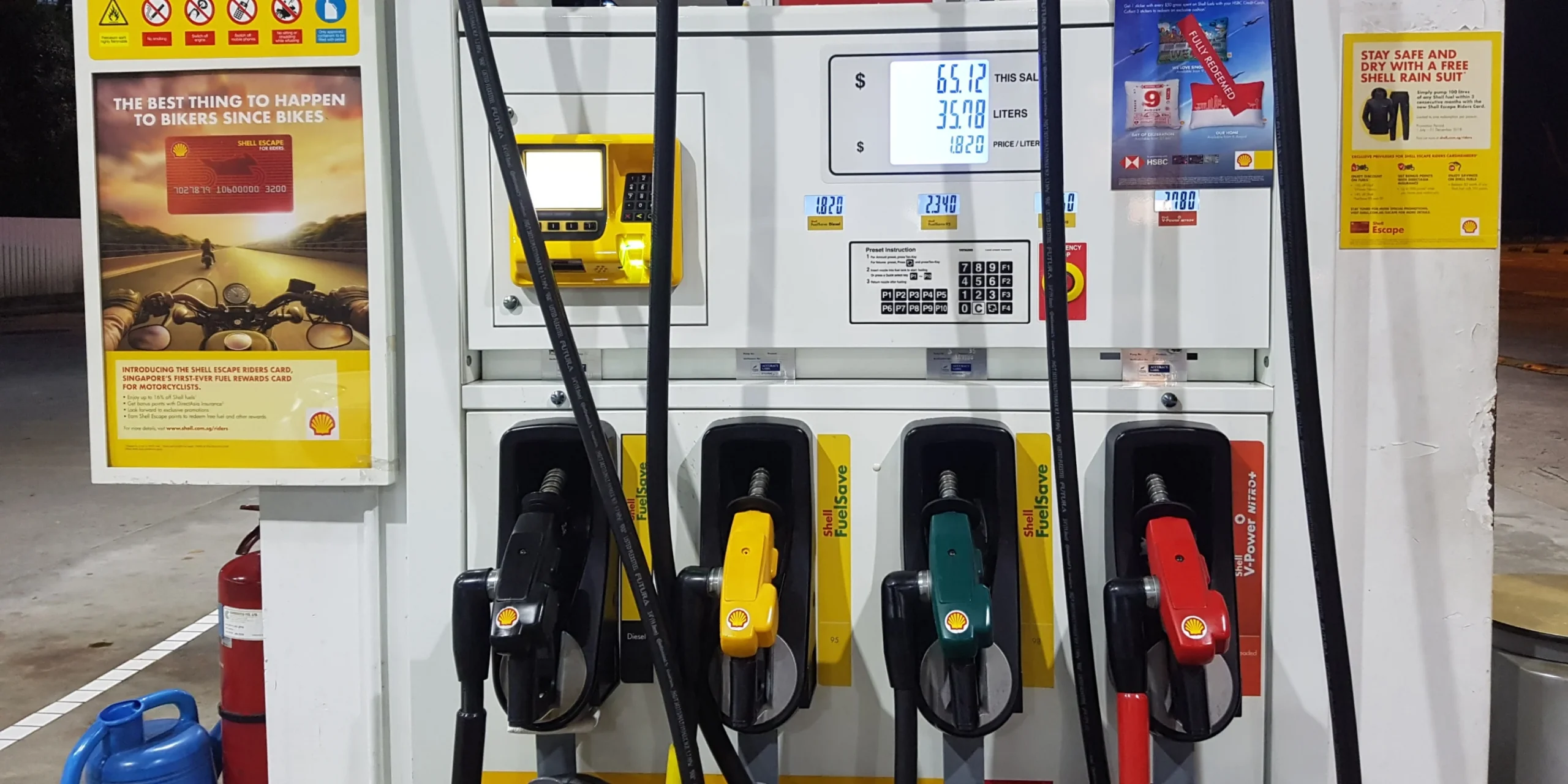
The government has reaffirmed that the RON95 petrol subsidy remains sustainable for now, even as global uncertainties continue on fuel costs. However, officials have signalled that policy adjustments may be necessary if rising oil prices carry on, particularly because of the ongoing tensions in West Asia.
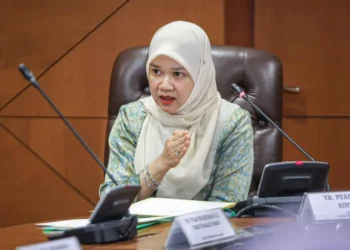
Speaking at a recent press conference, Muhammad Kamil Abdul Munim, the political secretary to the Finance Minister, has said that while the subsidy is currently being maintained, flexibility will be the key moving forward. He noted that no country can indefinitely sustain rising costs without adapting it’s economic strategies.
The government’s cautious work comes as subsidy expenditures have risen significantly. Monthly costs have increased from RM700 Million to RM 4 Billion, reflecting the growing financial burden of maintaining fuel subsidies in an unpredictable global market.
Despite Malaysia being an oil-producing nation, Kamil highlighted that we still rely on imported oil to meet domestic demand. This means that global prices fluctuations directly impact national spending. He also addressed assumptions surrounding Petronas, explaining that its profits cannot be fully channeled into domestic subsidies.
Kamil has said that Malaysia has been able to cope so far because of some cost-saving plans and changes to subsides that were made earlier. These plans have given the government some protection against the issue with supplies and have allowed them to keep te current subsidy plan in place. Yet, he added that long-term sustainability will require adaptability.
In response to a wider geopolitical situation, the government is also preparing the engage with political leaders. Prime Minister Datuk Seri Anwar Ibrahim has proposed a special briefing involving top state leaders and representatives from various political parties to address the implications of the West Asia crisis.
Sources: MalayMail
Follow us on Instagram, Facebook or Telegram for more updates and breaking news.