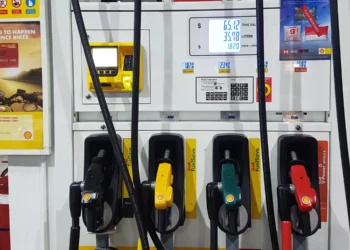

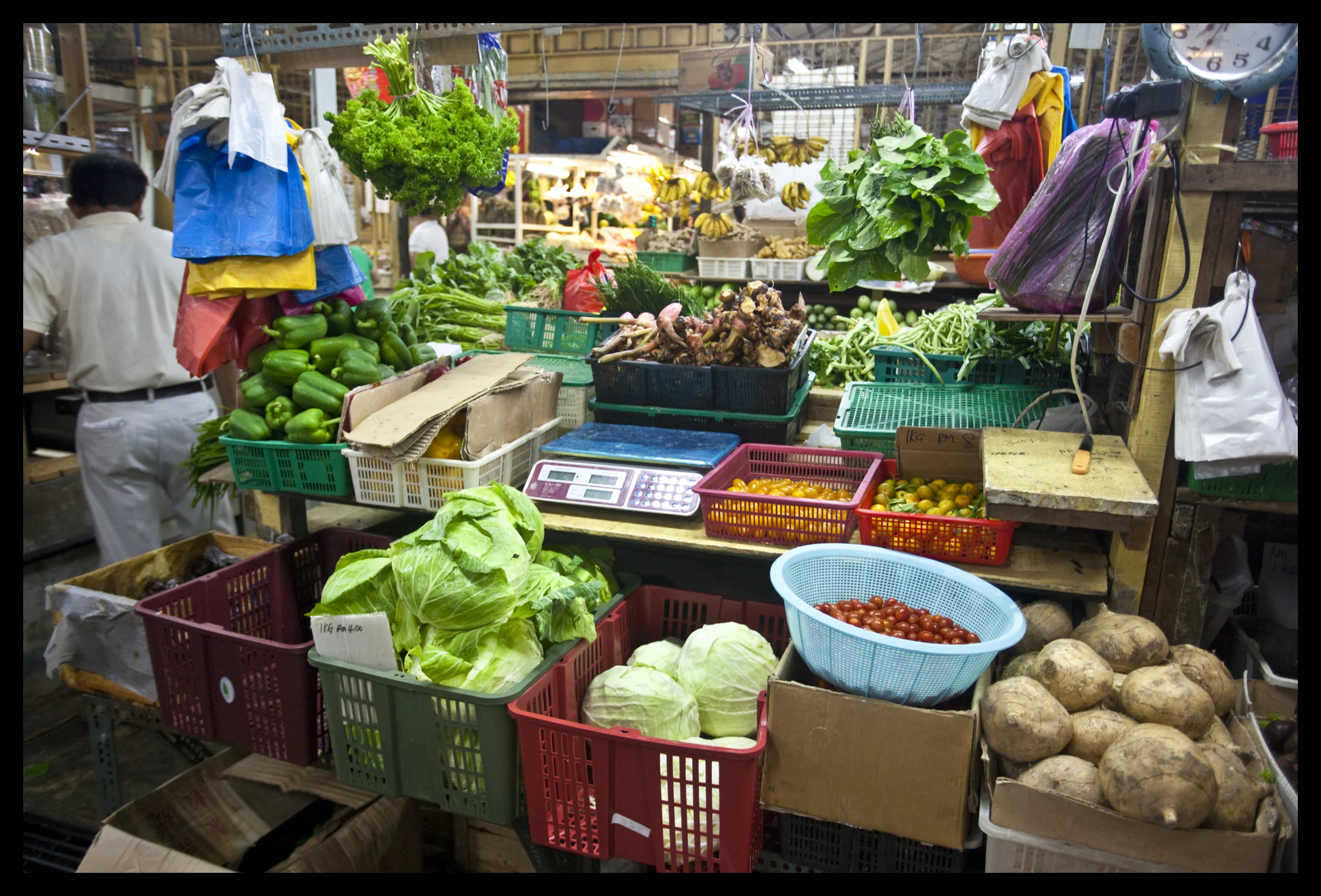
Consumers in Johor and Selangor are beginning to face challenges as vegetable prices have increased by 20 and 30 percent in the last few weeks. The rise is due to high transport costs following diesel price hikes, and the hot weather affecting farming conditions.
A survey was conducted at public markets and retail outlets in Johor Bahru and Shah Alam and found that while supply remains stable, both consumers and traders are dealing with the impact of rising prices.
Traders Adjust Price to Cope
In Johor Bahru, Ahmad Roslan a trader said prices have gone up across several types of vegetables. Such as red chilies, is now selling between RM13 and RM15 per kg, compared to previously which was RM10. Cabbage prices have increased from RM3 to between RM4 and RM5 per kg.
He explained that the increased, ranging from 20 to 30 percent depending on the vegetable is due to higher supplier prices and rising transport costs. Even after this, he noted that the supply has not been disrupted.
A similar issue is seen in Shah Alam. At a local wet market, green and red chilies has risen from RM9 to RM12 per kg. Ginger now costs RM9.50 per kg up to RM7.50, while long beans have increased from RM7 to RM 10 per kg.
Trader Amir said the situation is created by the hot weather and higher fuel costs, which have pushed up the prices from suppliers. He added that traders have no choice but to adjust their prices to keep their business running.
Consumers Feel the Pressure
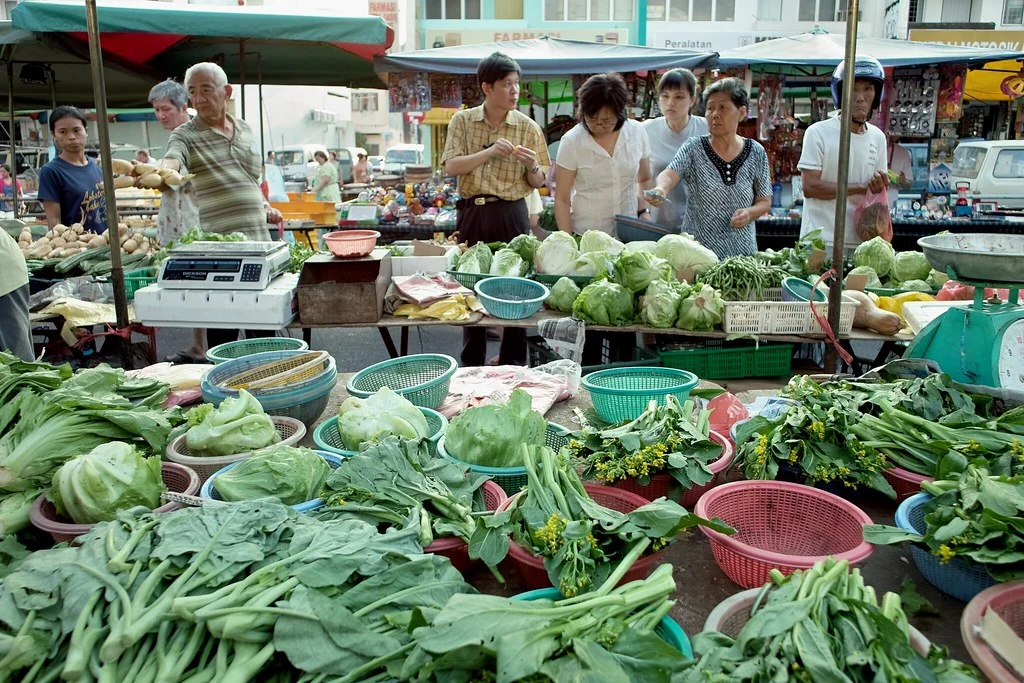
For many household, the price increases are starting to affect daily expenses. Consumer Noraini Hassan said that although the rise has been continuous, it has still impacted monthly budgets, especially for middle-income facilities. While some consumers have expressed concerns, traders say may understand the situation, especially as external factors continue to influence food prices.
The Consumers Association of Penang (CAP) has warned that prices could rise even more in the coming weeks. Its eduction officer, N.V. Subbarow, said farmers in Cameron Highlands are already facing further production costs due to factors such as fertiliser prices and transport expenses.
He added that vegetable prices could increase up to 50 per cent in short term before being stabilized around 30 percent.
Looking Ahead
Although supply remains steady now, the combination of rising costs and ongoing weather continues to put pressure on both farmers and traders. As the situation is challenging, consumers may need to adjust their spending habits while the industry works on managing the cost and maintain supply.
Sources: NST
Follow us on Instagram, Facebook or Telegram for more updates and breaking news.