




Malaysian Tamil cinema continues to explore different genres, and styes of storytelling, and Poovellam Kettu Paar (PKP) is another film that takes a different route with it’s darker thriller setting.
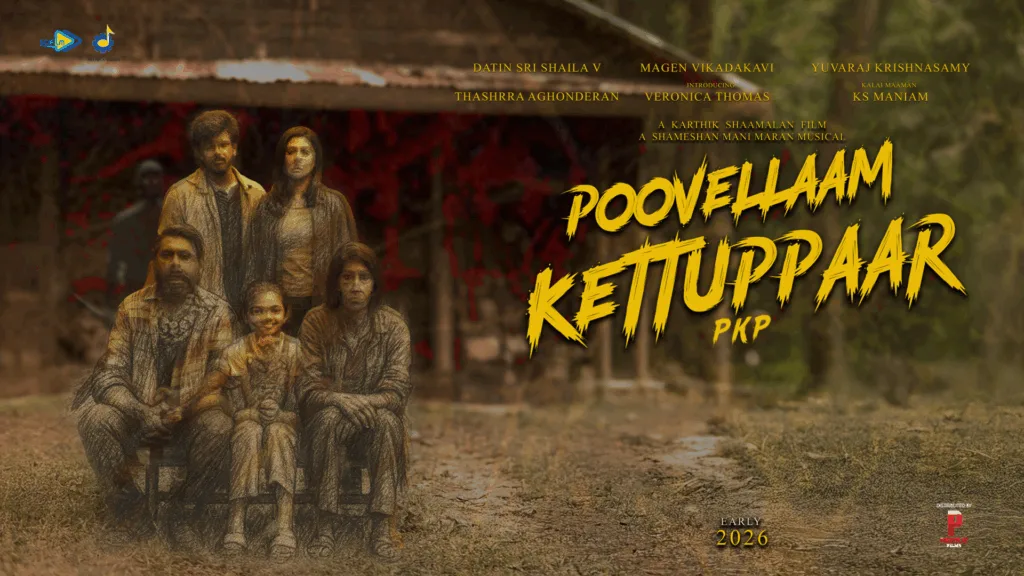
Released in cinemas on 27th August 2026, PKP is directed by Karthik Shamaalan, and stars Datin Sri Shaila V, Magen Vikadakavi, Yuvaraj Krishnasamy, Thashrra Aghonderan and debutant Veronica Thomas, among many others. The film is produced by Shaibha Vision.
With a strong cast, impressive visuals and a plot that slowly moves into a darker world, PKP has plenty that works in it’s favour. While the film takes some time to fully pull you into it’s world, it’s second half brings out the thriller it promises to be.
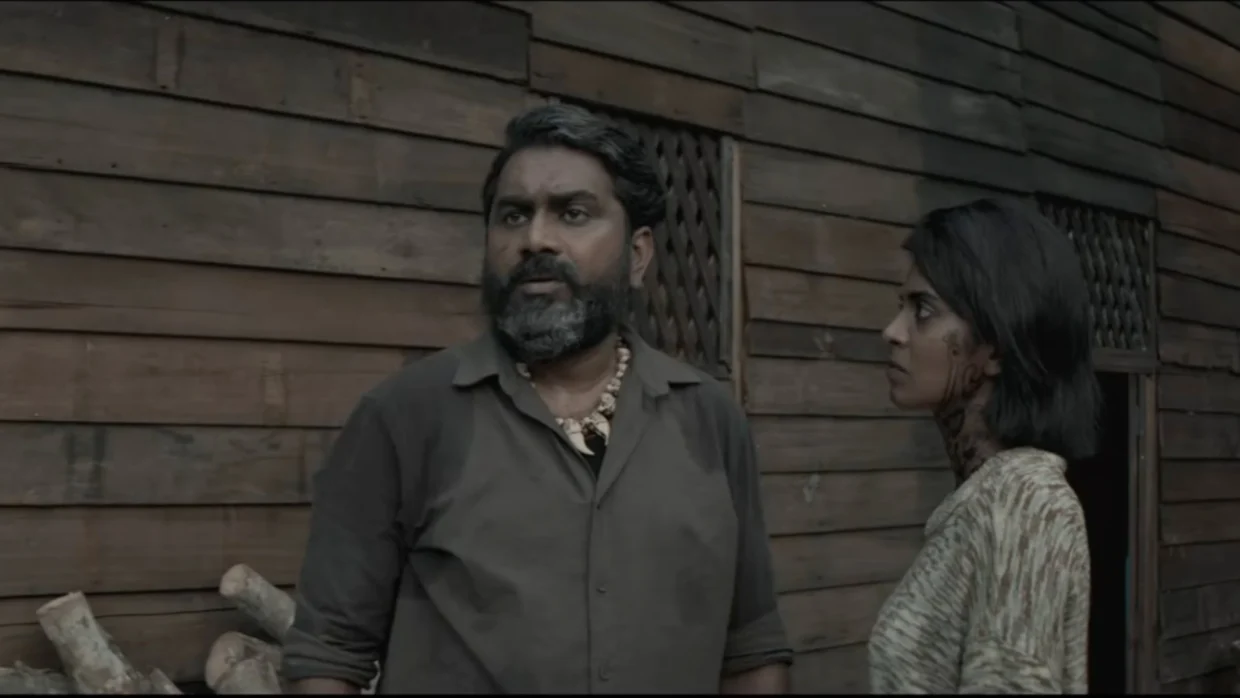
The story is about Sathia, a PhD scholar conducting research on society’s perception of people with criminal backgrounds. Together with her research assistant Karthikeyan, she meets Maaran and Nathiya who was previously acquitted in a criminal case due to lack of evidence. The film later takes a darker turn, leading the characters into disturbing and unexpected events.
The Cast is One of The Film’s Biggest Strengths
One thing PKP gets right is it’s cast. The performances elevated the story, with each actor bringing something different to the film.
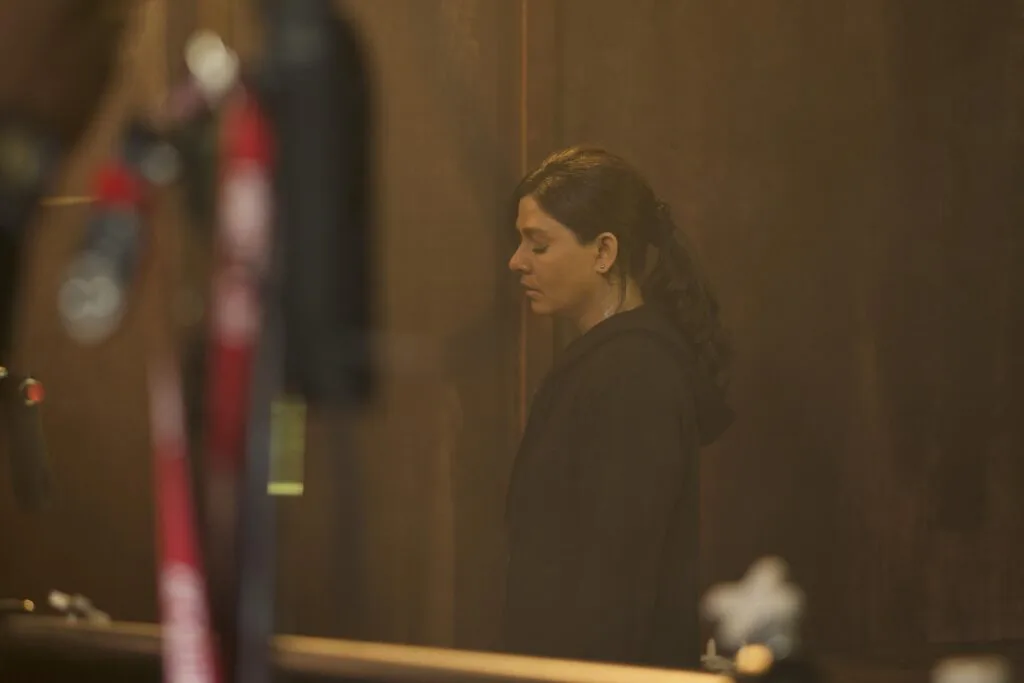
Datin Sri Shaila V, plays Sathia as a bold,brave and determined woman. She carries the character as a mother confidently, especially as Sathia finds herself facing increasingly difficult situations.
Magen Vikadakavi on the other hand, steps into a darker role as Maaran. His presence can be unsettling at times, which works perfectly for the character. When someone on screen manages to make the audience feel uncomfortable or terrified by their presence, the actor has done something right and Magen manages to create that feeling.
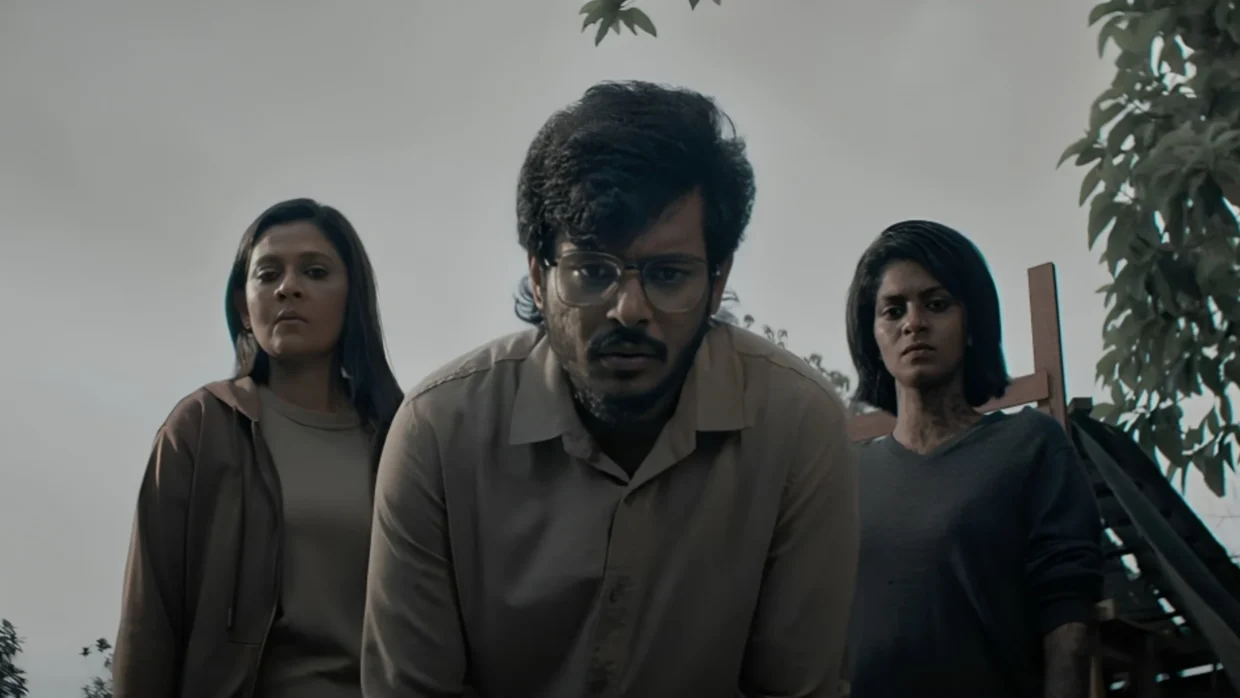
Yuvaraj Krishnasamy brings a much needed fun into the dark film. His character as Karthikeyan, gives the audience a moment to laugh. His natural humour had the cinema laughing without taking away from the thriller atmosphere.
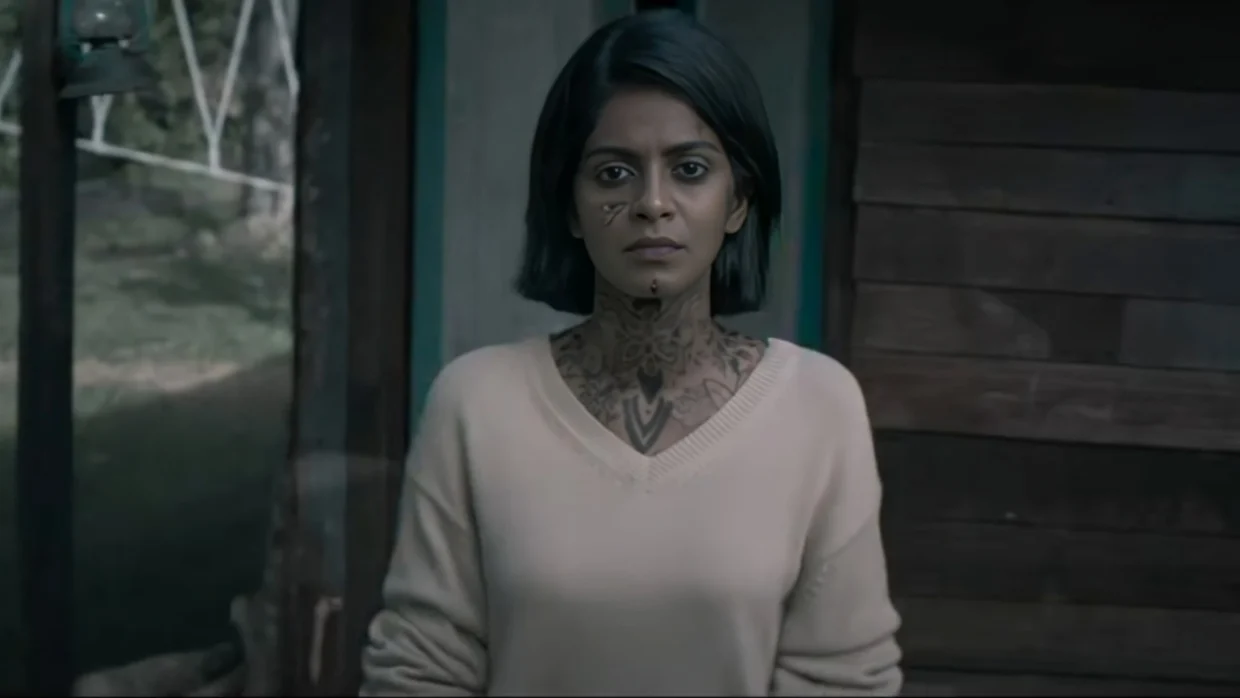
But a special mention has to go to Veronica Thomas. Making her acting debut, Veronica takes the character of Nathiya into a much darker shade. As the story goes on, her performance becomes one of the film’s biggest surprises and she carried the film. There are moments where she completely takes control of the screen and leaves you genuinely impressed.
For someone making her debut, Veronica carries the character with confidence and intensity. It makes you curious to see what she takes on next. Thashrra Aghonderan also adds to what eventually becomes one of the strongest elements of the film.
The Look and Feel of PKP Deserves Credit
Beyond performances, PKP deserves praise for it’s overall look and atmosphere. The cinematography by Thinesh Kumar creates a dark and unsettling mood that a thriller like this needs. From it’s locations and lighting to the way the character are presented, the film maintains a darker visual tone that fits the story well.
The film is shot in anamorphic format giving it a wider and more cinematic appearance on the big screen.

Another impressive part of the production is the forest set constructed specially for the film. Instead of simply being just a backdrop, the forest becomes part of the film’s atmosphere. As the story gets darker, the surroundings add to the feeling of isolation and make the characters appear almost trapped within the environment.
The darker visuals, forest setting and overall treatment give PKP the look and feel of a proper thriller. Thinesh’s cinematography captures the atmosphere well during the intense scenes.
The Story Takes It’s Time Before Finding It’s Grip
Where PKP may divide audience is it’s pacing. The first half takes it’s time introducing the characters and setting up the story. At certain points, it feels slightly stretched, making it harder to stay completely gripped by what is happening on screen. A slightly tighter first half could have helped the film maintain it’s momentum better.
However, things change once the film enters it’s second half. This is where the thriller elements properly begin to take over and PKP becomes much more engaging. The tension increases, the performances become more intense and you begin to understand what the story is heading too.

The storyline itself is interesting and feels different. Rather than following a familiar story, the movie explores darker shade and allows it’s characters and situations to become increasing unpredictable. There is a good story at the centre of PKP. It simply takes a little longer than expected to fully get there.
PKP may take some time to reveal the strongest part of the film, but once it does, there is plenty to appreciate. More importantly, Poovellam Kettu Paar shows what Malaysian Tamil cinema can do when filmmakers are willing to experiment with different genres and visual styles. It may not be a flawless thriller, but it is an interesting attempt at something different. Overall, PKP is a film worth experiencing on big screen for it’s performances, dark atmosphere and cinematic visuals.
PKP is now showing in cinemas, so catch it at a theatre near you with your friends and family!