



As devotees observe Avani Amavasai on September 10, 2026, the new moon day that falls in the Tamil month of Avani, many families turn towards prayer, remembrance and acts of charity.
Traditionally regarded as an important day for honouring ancestors, Avani Amavasai is observed through prayers, offerings and rituals performed in remembrance of departed family members. Alongside these spiritual practices, charity is also considered an important way of expressing gratitude and seeking blessings.
What is Avani Amavasai?
Avani Amavasai is the Amavasai, or new moon day, that falls during the Tamil month of Avani. In Hindu tradition, Amavasai days are particularly significant for Pitru worship, where devotees remember and pay respects to their ancestors.

Families may perform prayers and ancestral rituals, visit temples and make offerings. For many devotees, the day is also an opportunity to practice kindness and generosity by helping those in need.
Charity performed on Amavasai is traditionally believed to bring spiritual merit, particularly when done with sincere intentions and in remembrance of one’s ancestors.
Why do people give charity on Avani Amavasai?
Charity on Avani Amavasai is closely connected to the values of gratitude, remembrance and compassion. As families remember their ancestors and the blessings they received from previous generations, giving to others becomes a way of passing that goodness forward.
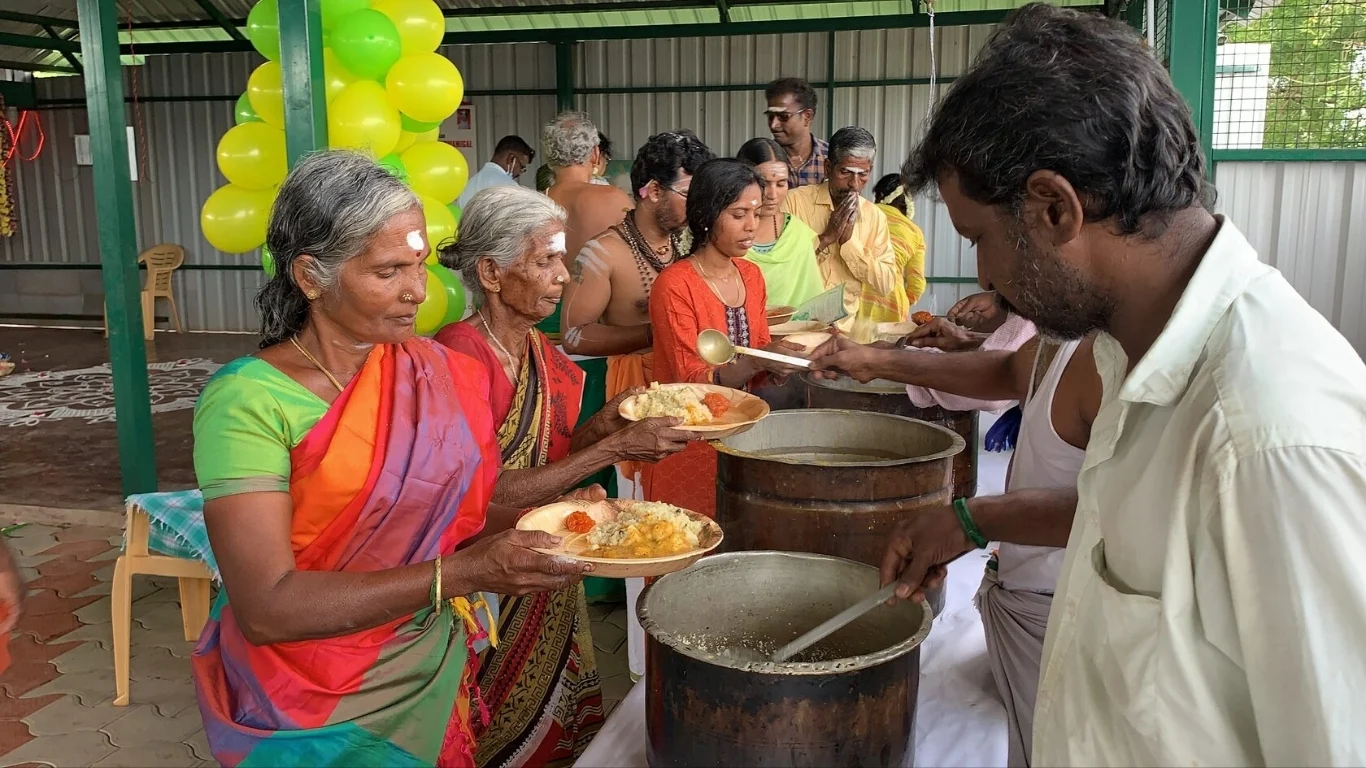
Traditional charitable practices may include donating food, clothing, grains or other necessities. The focus is not necessarily on how much one gives, but on the intention behind the act. Giving without expecting anything in return is considered an important expression of humility and compassion.
Why is Annadhanam considered the purest form of charity?
Among the many forms of charity, Annadhanam; the act of providing food to another person, holds a particularly sacred place in Hindu tradition.
The reason is simple: food is a basic necessity of life. When a person is hungry, offering them a nutritious meal provides immediate nourishment, comfort, and dignity. Unlike many material gifts, food directly answers an essential human need.
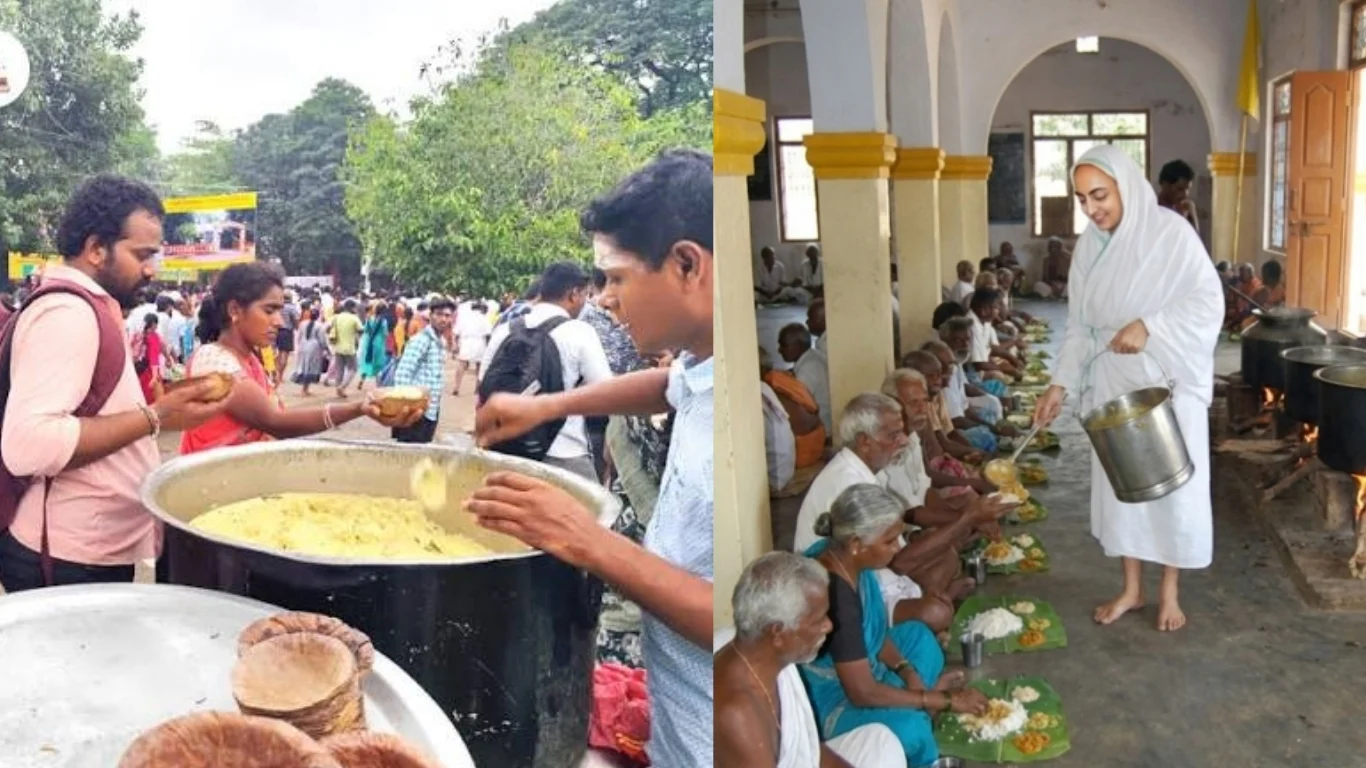
Annadhanam is therefore seen as charity that goes beyond material giving. It is an act of sharing, caring and recognising the dignity of another human being. Whether it is a meal served at a temple, food distributed to the underprivileged or a simple plate offered to someone who is hungry, the act carries the same message, no one should have to go without food.
Feeding others in memory of our ancestors
For families observing Avani Amavasai, Annadhanam can also become a meaningful way of remembering their ancestors. By feeding others in their memory, devotees transform remembrance into an act of kindness.
The practice reflects a beautiful cycle of giving: we receive from those who came before us, remember them with gratitude and share our blessings with those around us.
Ultimately, the significance of Annadhanam lies not in the cost of the meal or the number of people fed, but in the heart with which it is offered. This Avani Amavasai, feeding someone in need can be more than an act of charity, it can be an expression of gratitude, compassion and humanity.
Source: Tamil Samayam, Times Now Seithi, One India