



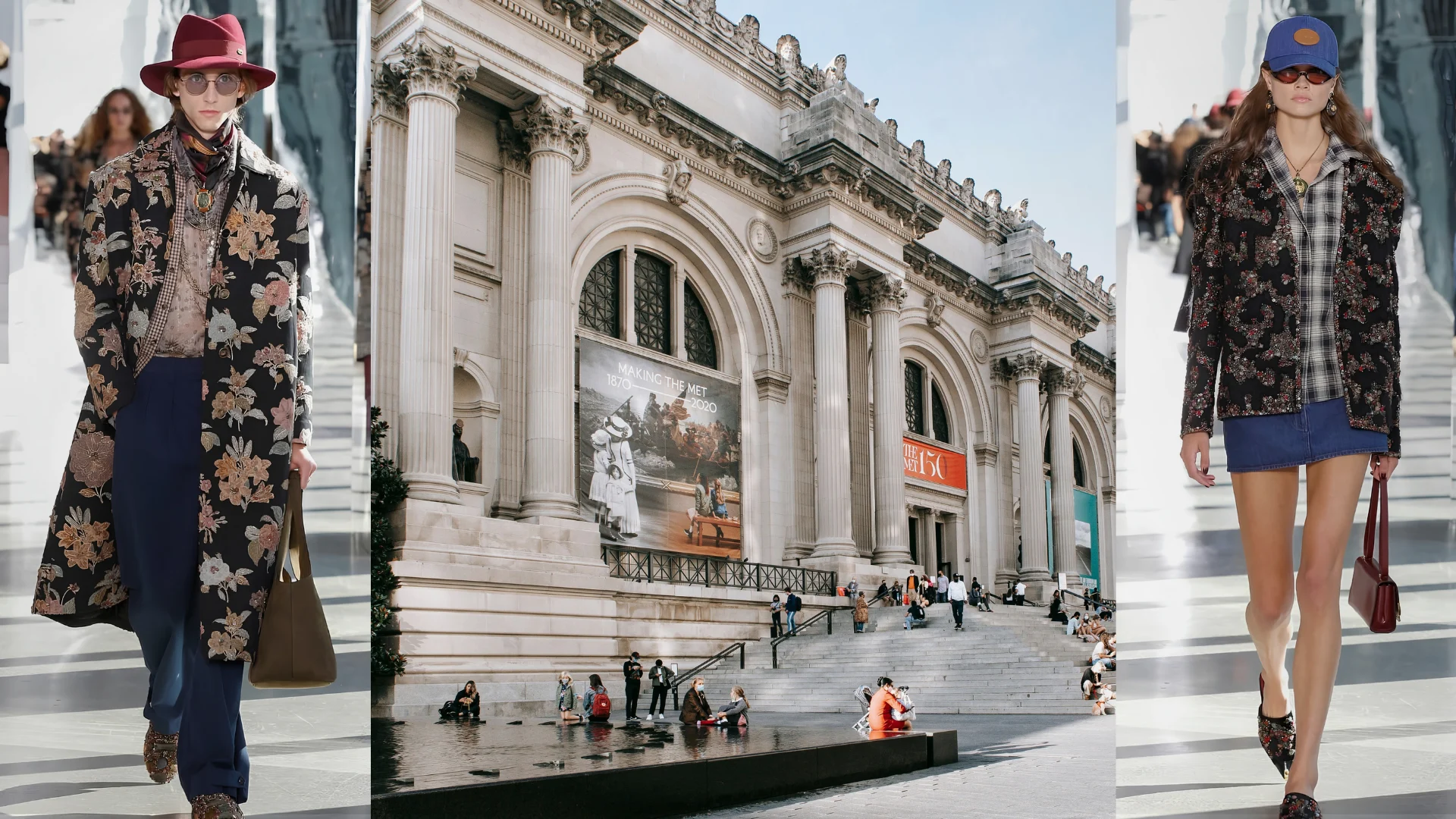
When you think of Sabyasachi Mukherjee, bridal lehengas, rich fabrics and grand Indian jewellery may be some of the first things that come to mind. But for his return to New York Fashion Week, the designer had something slightly different waiting on the runway.
There were jeans. Lots of them. After nearly two decades away from New York Fashion Week calendar, Sabyasachi returned for the Spring/Summer 2027 season with a 72-look collection titled Bengal Byzantine Broadway.
At Spring Studios in Soho, supermodel Christy Turlington opened the show dressed in denim, immediately setting the mood for a collection that brought everyday fashion together with the detailed Indian craft that has long been part of the Sabyasachi name.
Sabyasachi, But with an American Twist
The collection played with familiar pieces from American fashion, including blue jeans, plaid shirts, denim vests, cowboy hats and workwear jackets. But look closer, and the Indian influences were always there.
Japanese denim was worked on in Kolkata, while sparkling hand-beaded coats came with hand-quited linings. Some jackets featured cow-print embroidery on tulle, while bolero-style jackets took inspiration from traditional sari blouses.
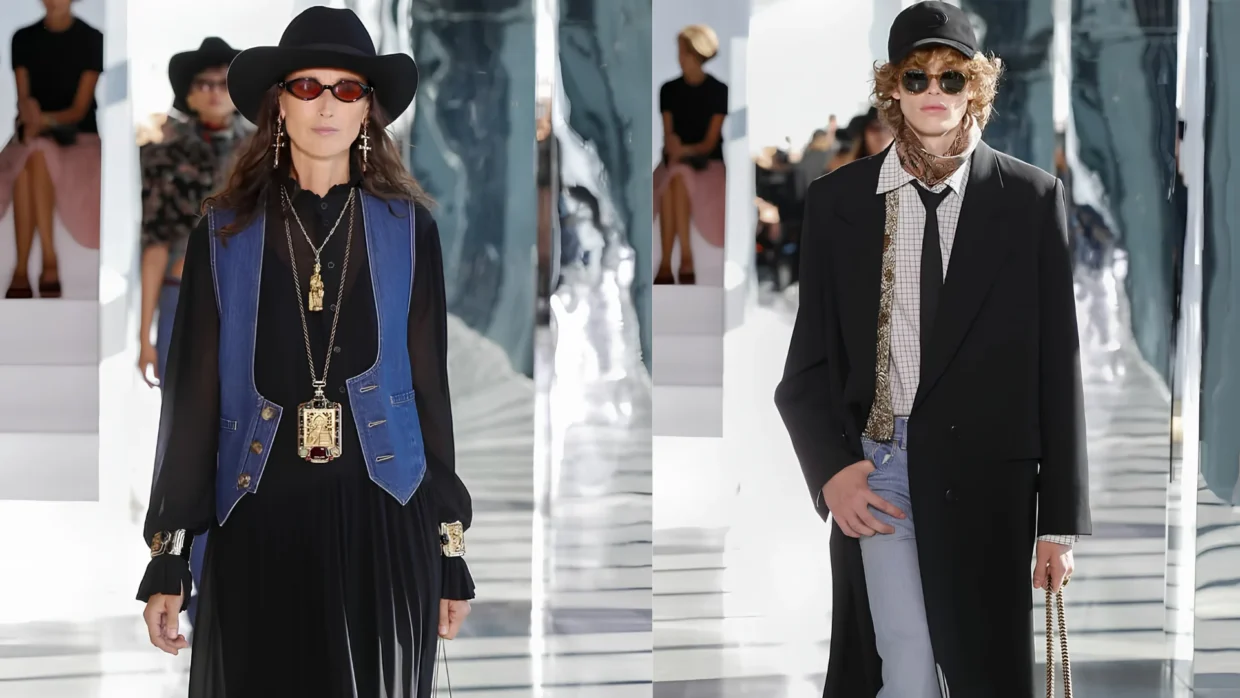
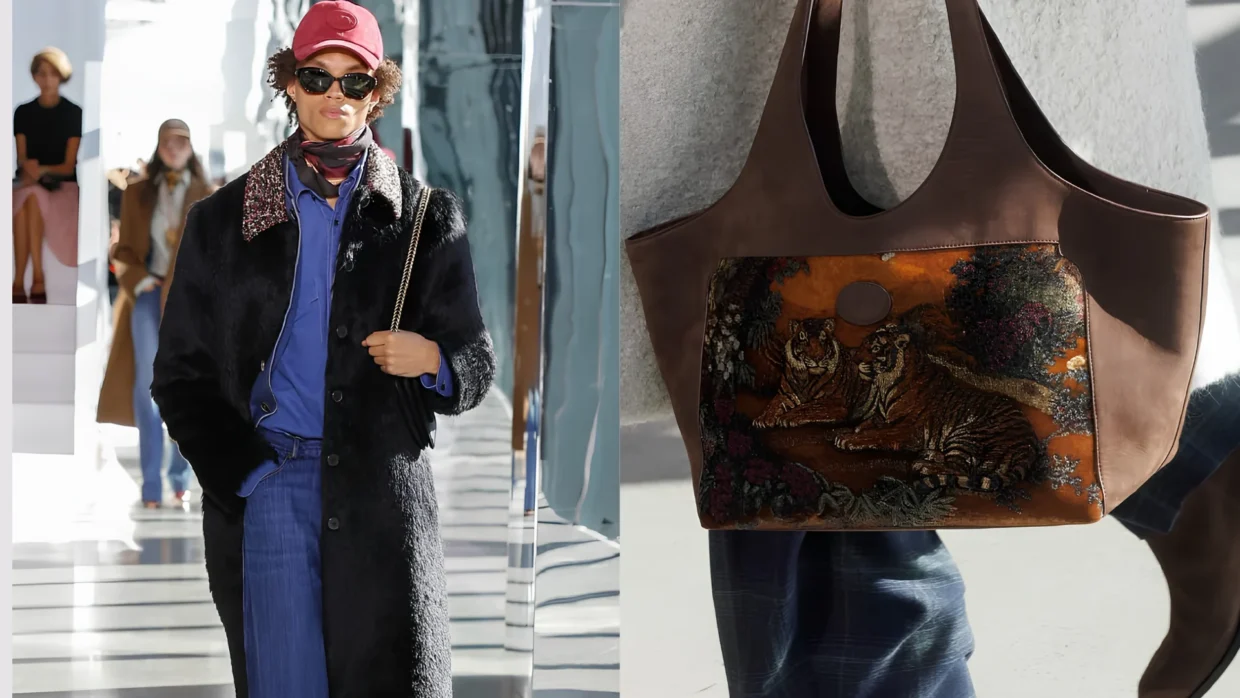
There were also sweaters, trench coats, wrap skirts, flowing shirts, mini skirts and sharp suits. The famous Sabyasachi Bengal tiger appeared across pieces too, from jeweled details on sweaters to deep red prints on denim.
For Mukherjee, the collection was about showing India beyond the pictures global fashion world may already expect.
While Sabyasachi remains proudly Indian, the designer sees his fashion houses as a global label. It’s work brings together production and craftsmanship from countries including Italy, Spain, England, France and Morocco, while keeping Indian craft at it’s heart.
The Clothes Were Quiet, but the Jewellery Was Not
If much of the clothing felt relaxed and wearable, the jewellery went in the opposite direction.
Models walked in large gold cuffs, heavy pendants, chunky rings, Maharani-style necklaces, and Grecian-inspired pieces. Ancient Rome, Greece, the Byzantine world, and the Islamic Empire were among the historical influences behind the jewellery
Some pieces were part of Sabyasachi’s new fine jewellery collaboration with The Metropolitan Museum of Art in New York.
The contrast worked. A simple denim look could suddenly feel grand with layers of gold and gemstones, while tailoring became more dramatic when paired with oversized jewellery.
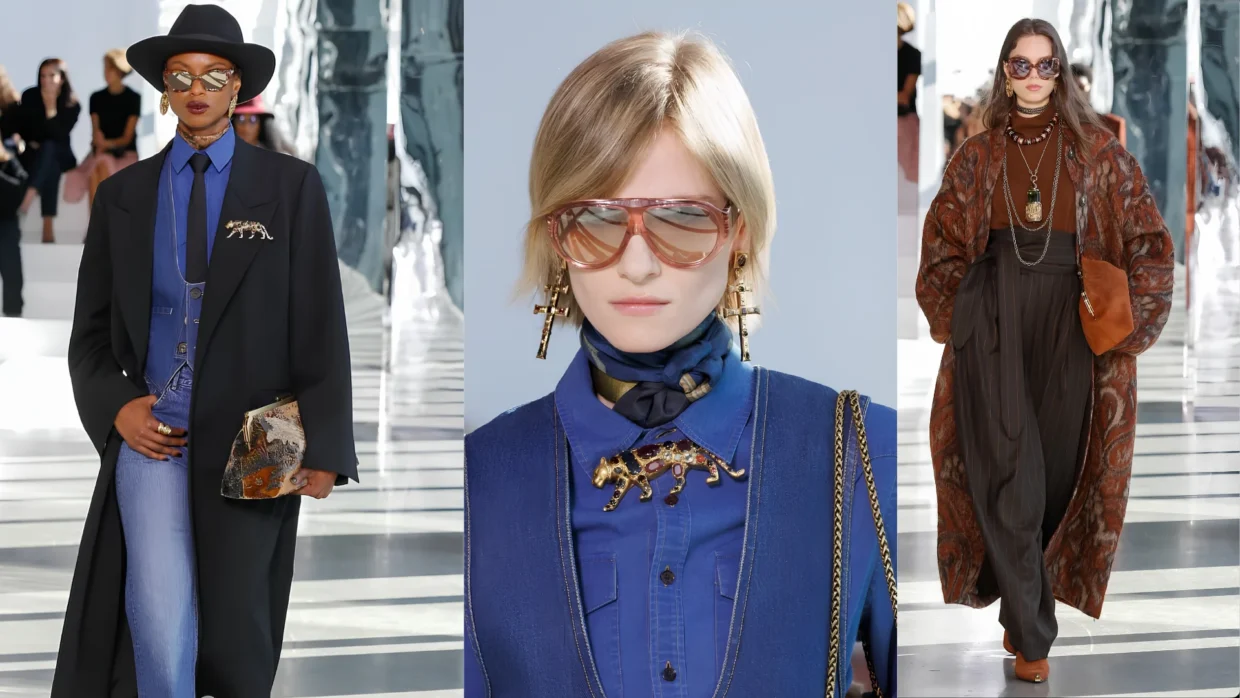
One standout look featured a burnt-rust suit with a long, Nehru-inspired jacket, matching trousers and boots, finished with thick gold cuffs, and large earrings. Elsewhere, Indian models Dipti Sharma and Dhyani appeared in richly layered looks combining patterns, hats, sunglasses, jewellery and strong tailoring.
The show eventually came back to one of the most familiar pieces in Indian fashion. Avanti Nagrath closed the collection in a simple black sari, styled with oversized Byzantine-inspired gold jewellery and custom sunglasses.
A Different Idea of Luxury
Perhaps the biggest message from Sabyasachi’s New York return was that luxury does not always need to be loud.
Mukherjee described handmade work as the “final frontier of luxury” and positioned the collection somewhere between ready-to-wear and couture. Instead of creating clothes that feel too precious or difficult to wear, he wants craftsmanship to exist in pieces that can still become part of someone’s real wardrobe.
It also comes at a time when AI is changing creative industries. For Mukherjee, that makes the human touch behind fashion even more valuable.
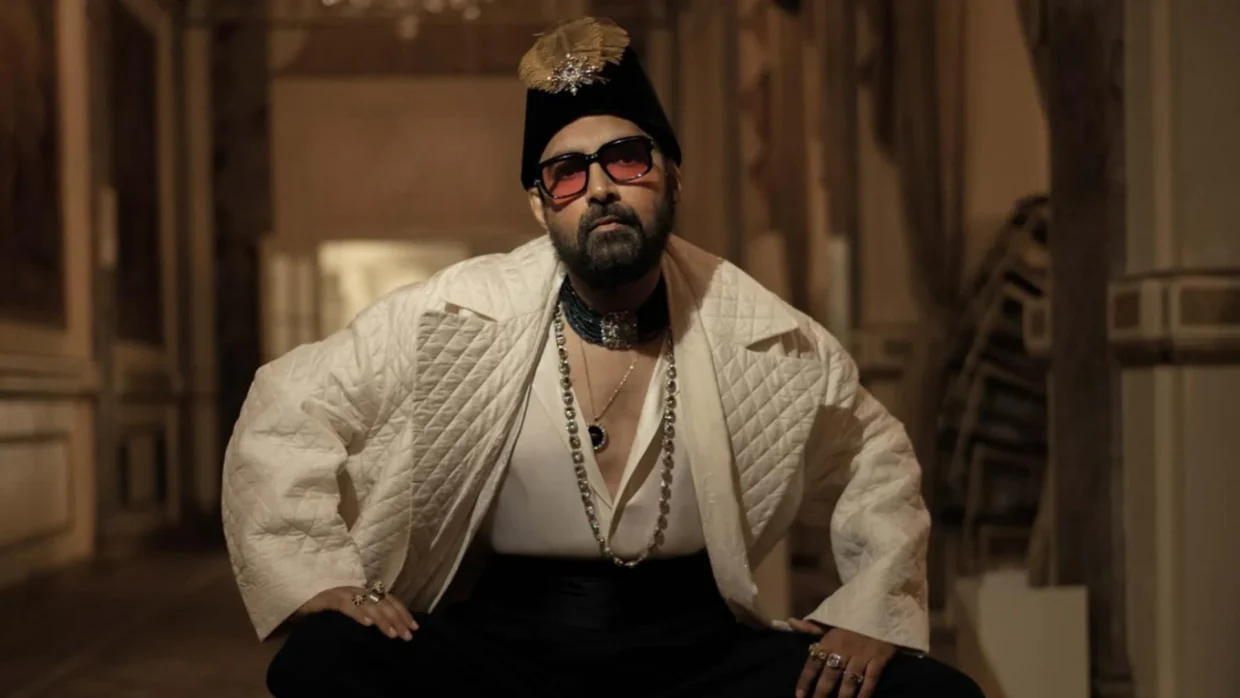
Sabyasachi is India’s best-known luxury fashion house, and he opened his New York store in 2022. His latest runway showed another side of that journey. He did not return to New York simply to show the world traditional Indian luxury. He brought India into denim, workwear, tailoring, gold, and everyday clothes, proving that Indian craftsmanship can honor it’s history without being stuck in it.
Sources: Elle, Lifestyle Asia Hong Kong