



For many Tamil families, Deepavali is a time to celebrate light, togetherness, and the triumph of good over evil. But for newly married couples, the festival carries an even more special meaning. Known as Thalai Deepavali, the first Deepavali after marriage marks the beginning of a new chapter in their lives as husband and wife.
The term thalai can mean “head” or “first”, making Thalai Deepavali a celebration of the couple’s first Deepavali together after tying the knot. Beyond the excitement of celebrating as newlyweds, the occasion is filled with family traditions, blessings, and meaningful gestures that bring two families closer.
A Special Day for the Bride and Her Family
In traditional Tamil households, marriage often marks a new chapter for the bride as she begins building a life with her husband and his family. Thalai Deepavali offers a meaningful opportunity for her to return to her family home and celebrate the festival with the people who have been part of her life from the very beginning.
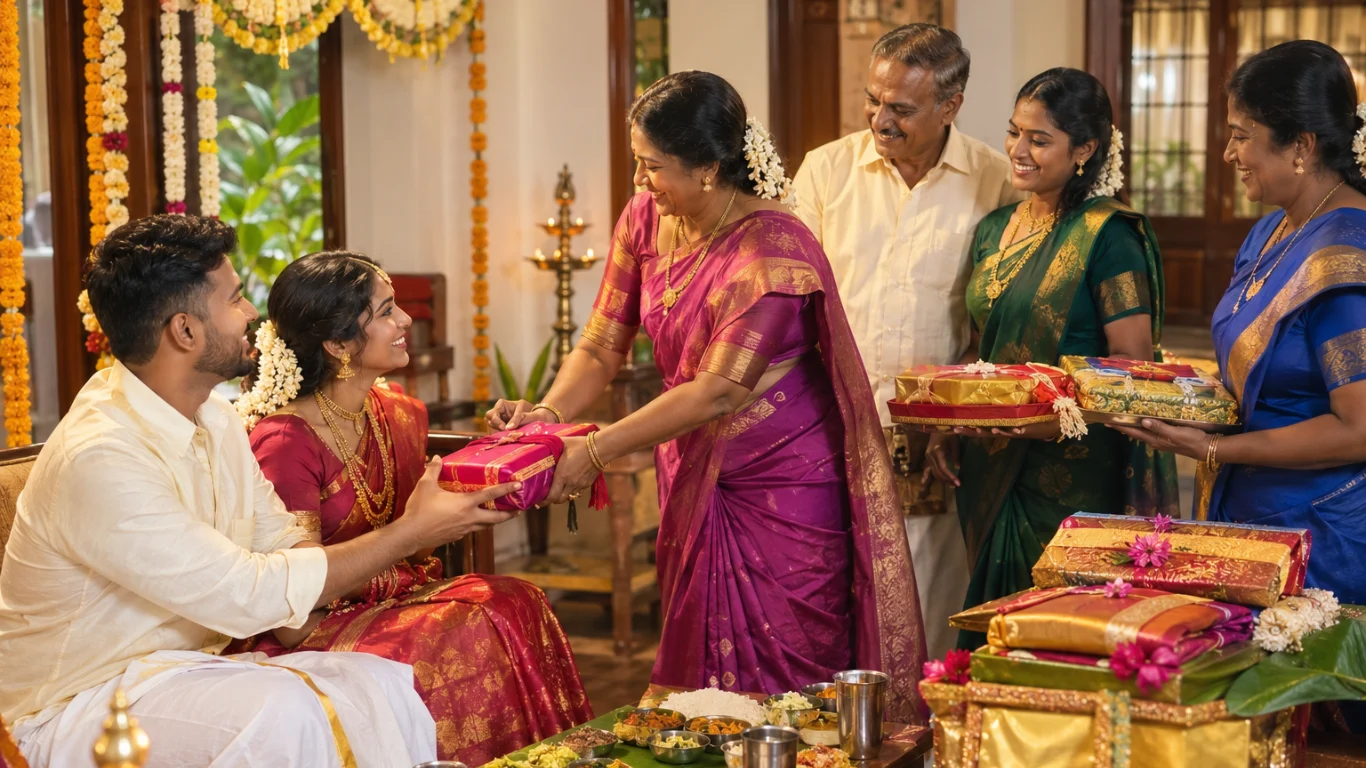
Traditionally, the groom accompanies his wife to her parental home, where her family welcomes him as part of their own. It is a special occasion for the bride to reconnect with her loved ones while allowing the groom to experience the traditions and customs that have shaped her upbringing.
Temple Visits and Blessings for a Prosperous Life
For many families, the celebration begins with a visit to the temple. The newlyweds, accompanied by the bride’s family, offer their prayers and seek blessings for good health, prosperity, happiness, and harmony in their married life.
These prayers symbolise more than the beginning of another Deepavali celebration. They reflect the families’ hopes for the couple as they navigate their new responsibilities, grow together and build a future filled with love and understanding.
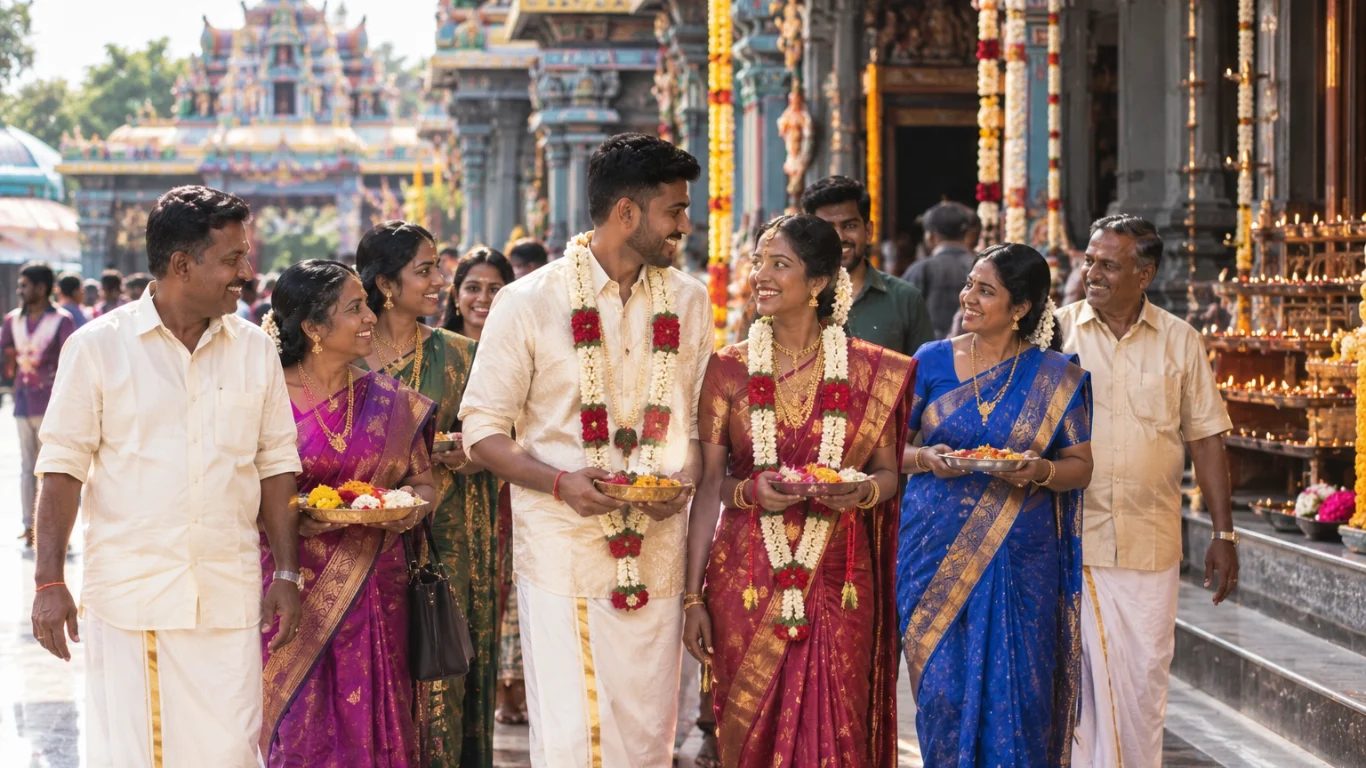
Depending on family customs, the groom’s family may also join the celebration, making the occasion even more meaningful as both sides come together to mark the auspicious day.
Seeru, Festive Meals and the Joy of Giving
One of the cherished aspects of Thalai Deepavali is the way the bride’s family welcomes their son-in-law. Traditionally, the family prepares a special festive meal for him, expressing their affection and treating him as an important part of the family.
Food has always played a significant role in Deepavali celebrations, bringing loved ones together around the dining table. During Thalai Deepavali, the meal becomes an expression of hospitality, care, and the warmth of family bonds.
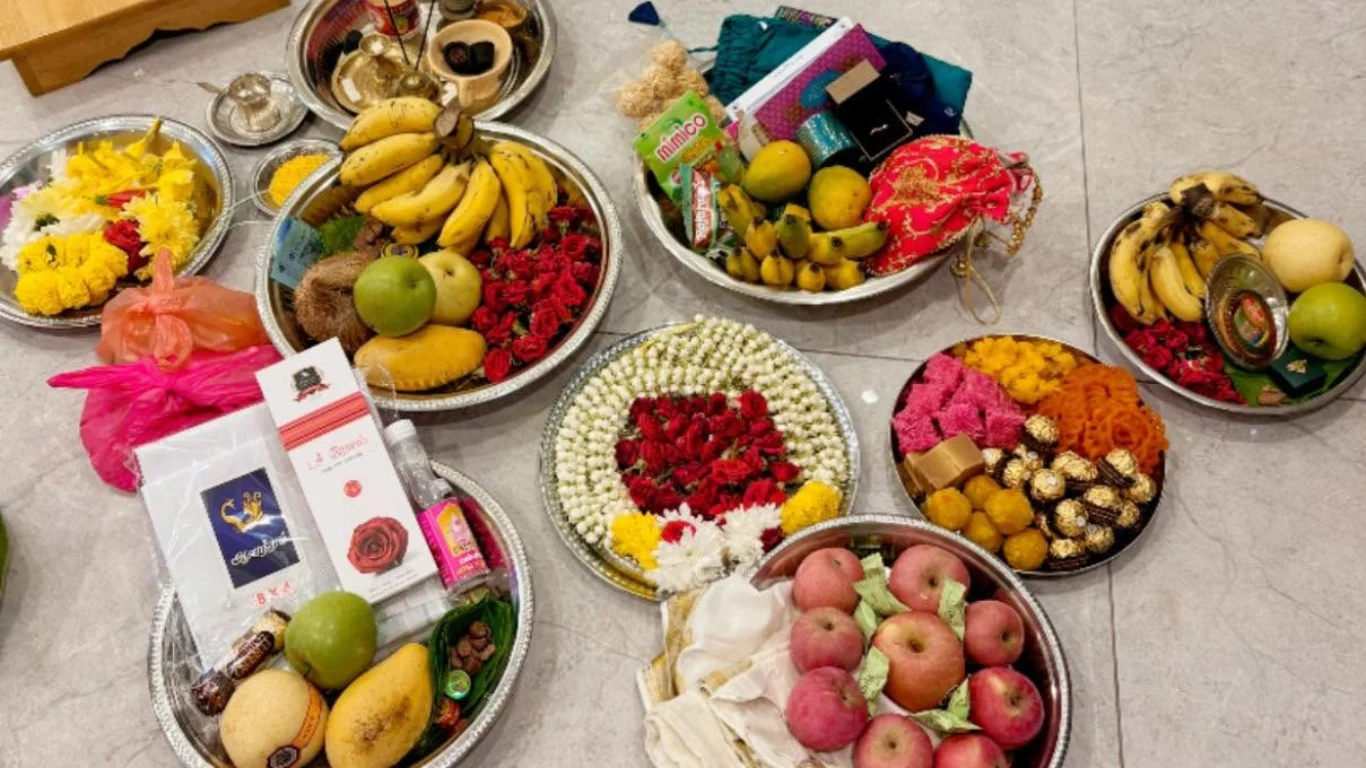
Another customary practice is the giving of seeru, which refers to gifts or offerings presented by the bride’s family. These gifts may be intended to help the bride as she begins her married life, symbolising her family’s continued love, support and blessings.
While the gifts and specific customs may differ from one household to another, the sentiment remains the same: the bride’s family continues to stand beside her as she enters a new phase of life.
Keeping the Tradition Alive in Changing Times
As families and lifestyles evolve, the way Thalai Deepavali is celebrated may look different from one couple to another. Some may follow longstanding customs closely, while others may adapt the celebration to suit their circumstances, commitments and family arrangements.
What matters most is understanding the meaning behind the tradition. Thalai Deepavali is not simply about following rituals or exchanging gifts; it is about recognising the relationships that continue to shape a couple’s lives after marriage.
This Deepavali, may every newly married couple enjoy their Thalai Deepavali surrounded by loved ones, carrying forward cherished traditions while creating new ones of their own. After all, Deepavali is a celebration of light, and there is no brighter way to begin married life than with love, togetherness, and the promise of new beginnings.
This is a Varnam Exclusive Feature! Any Reproduction Requires A Credit To Varnam Malaysia.