



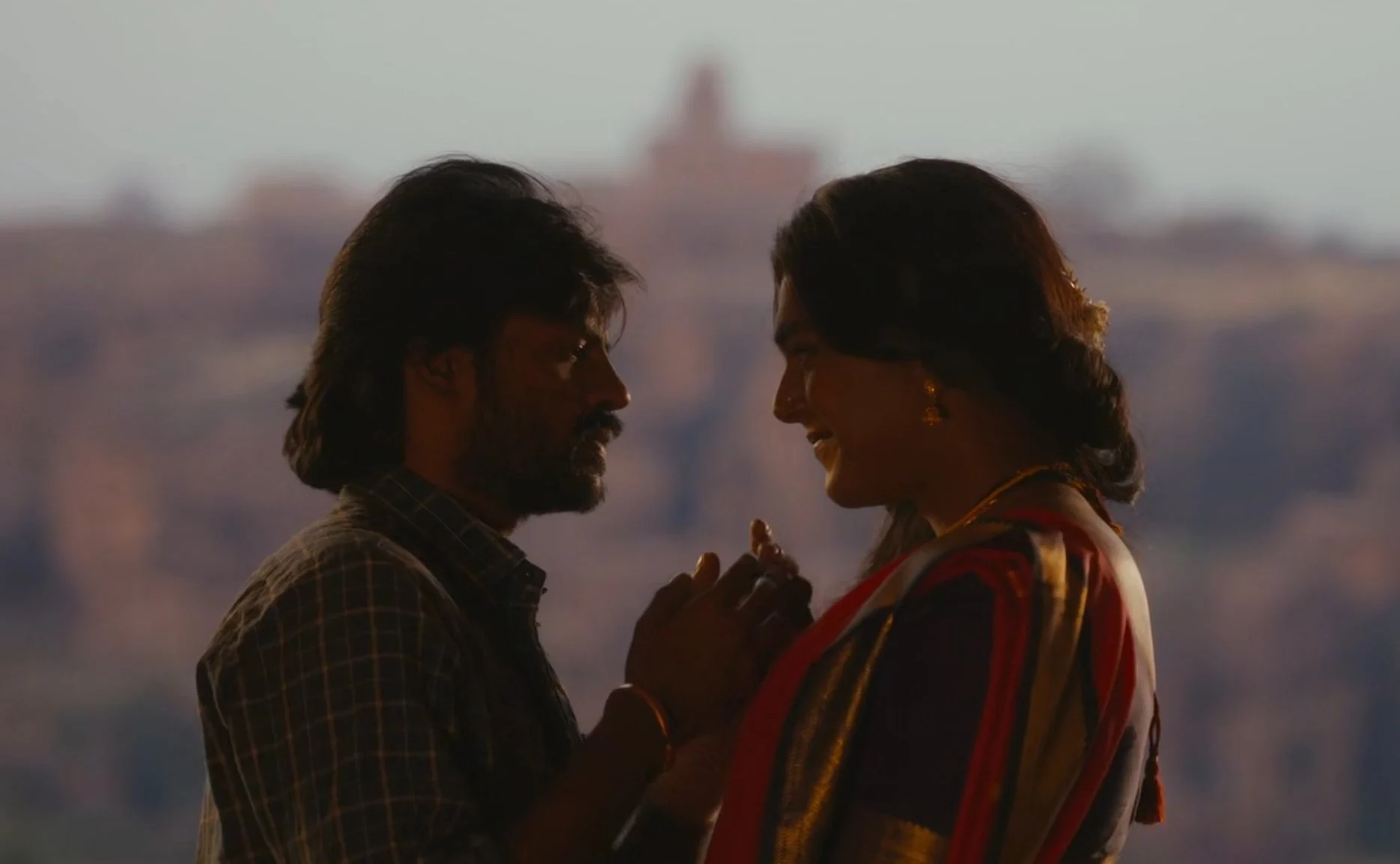
That’s where Dorothy starts. Set against the backdrop of a small village in 90s rural Madurai, Karthi and Subbu are introduced as childhood best friends. They grow up soaked in violence, caste, patriarchy and a very rigid idea of what a man is idealised to be. Don’t cry. Don’t be weak. Don’t act like a woman. Don’t show too much emotion.
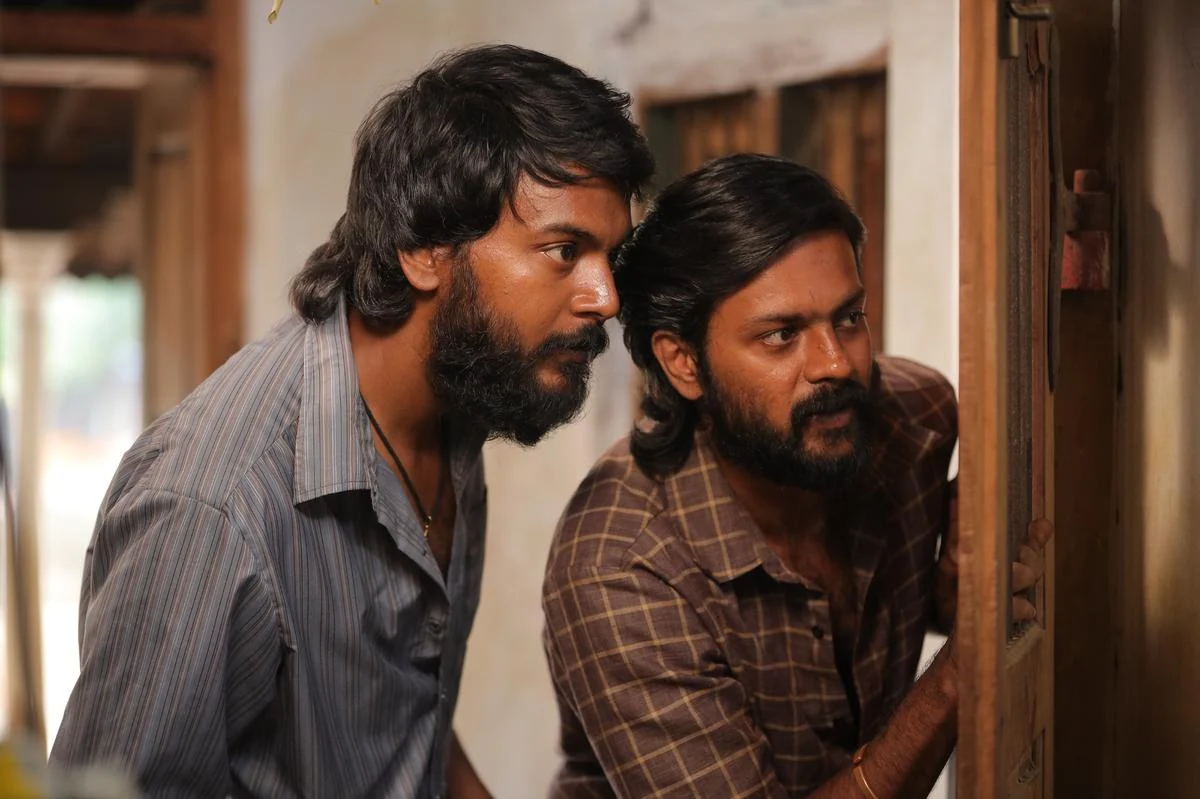
As Subbu grows up, he carries all this with him but there is a part of him that doesn’t quite fit into the mold that the world has set for him. And the more he tries to hide it, the more complicated his relationship with himself becomes. Then, Dorothy enters his life and upon that, you’re no longer watching what you think you were watching. Dorothy’s arrival pushes the film as well as their dynamic to a more intimate territory.
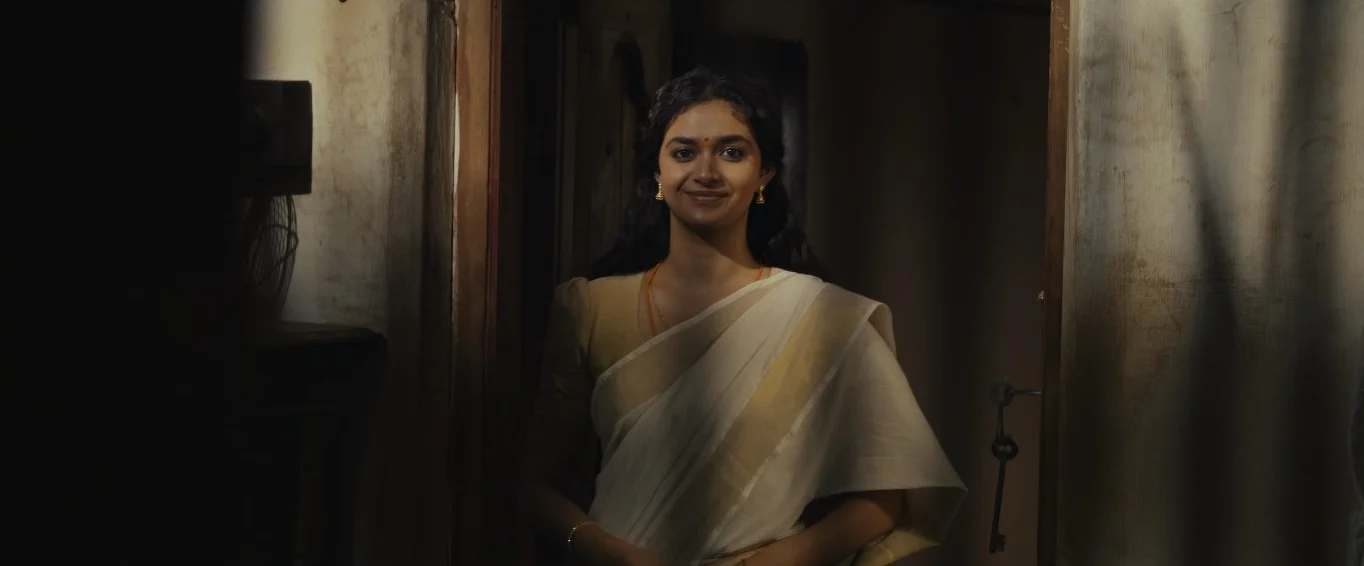
What initially started as a ‘Subramaniapuram-esque’ rural gangster story gradually shifts into one about identity, friendship, love and what happens when someone challenges societal standards by breaking away from the mold that was set for them and finally accepting and becoming who they truly are. That’s what easily makes Dorothy such an important moment in the history of Tamil cinema.
A Decade in the Making
Dorothy marks a striking evolution in Karthik Subbaraj’s filmmaking. The film effortlessly blends his trademark visual flair with a fresh perspective on emotional precision. In retrospect, Subbaraj had sowed the seeds for Dorothy a decade before itself in Iraivi (2016).
What Makes Dorothy Work
Sananth, Rishikanth and Keerthy Suresh deliver stellar performances, while Muthukumar as Whistle Veerayya could not have been more convincing as a menacing patriarch. Ilayaraja backing a film like Dorothy as its composer might just be a whole lesson of its own considering the magnitude of his influence on Tamil pop culture.
Dorothy Turns the Mirror on the Men in the Room
At the heart of it, Dorothy presents masculinity in a way Tamil cinema has never seen before. The film challenges the idea that a man must always be dominant, sexually assured, emotionally guarded and in control.
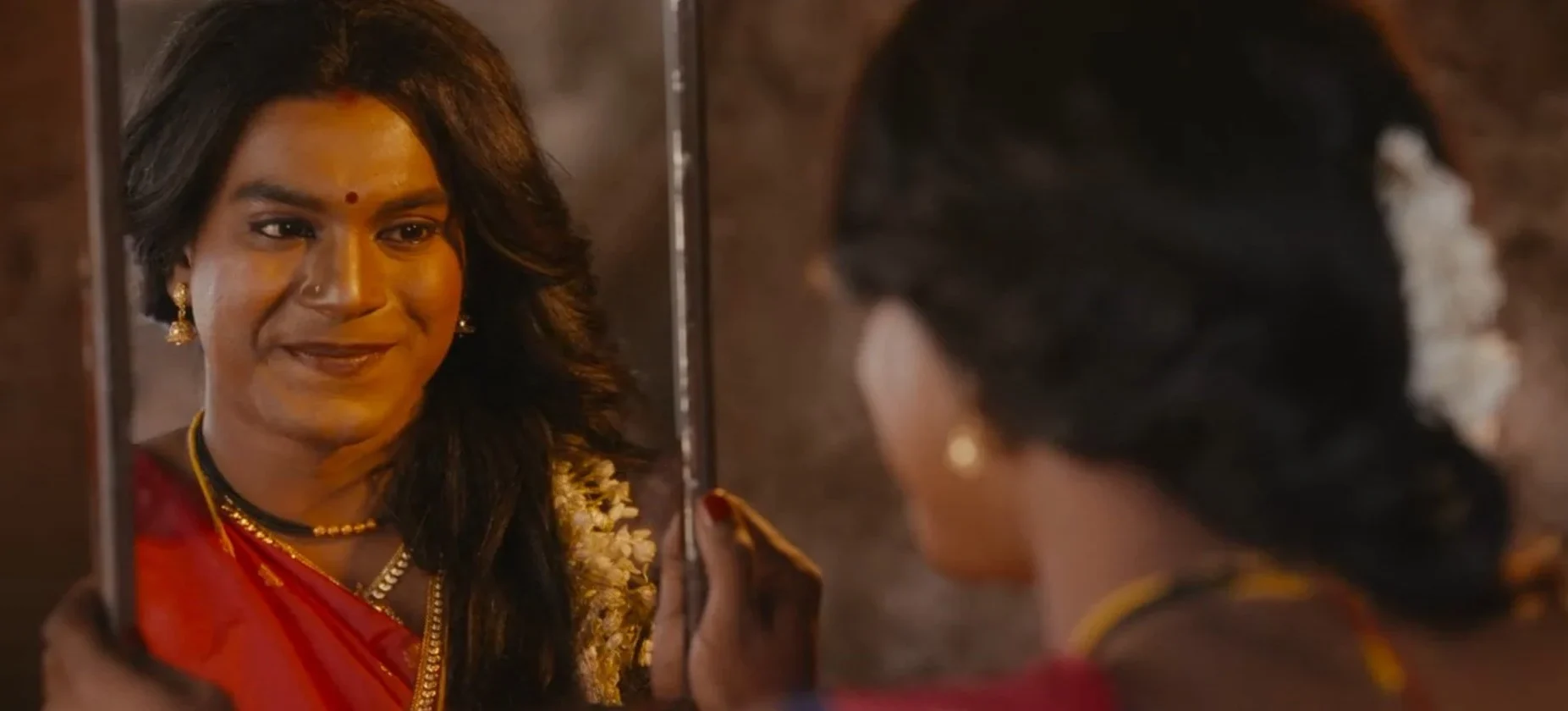
What makes the film particularly outstanding is how it turns the male gaze back on the men watching it. Since the dawn of time, Tamil cinema has only been teaching us how to look at women, how women should look, dress, behave and desire and Dorothy blurs that comfortable position because suddenly men are forced to confront sexuality, vulnerability and the possibility of desire outside the rigid boundaries of societal standards and gender norms.
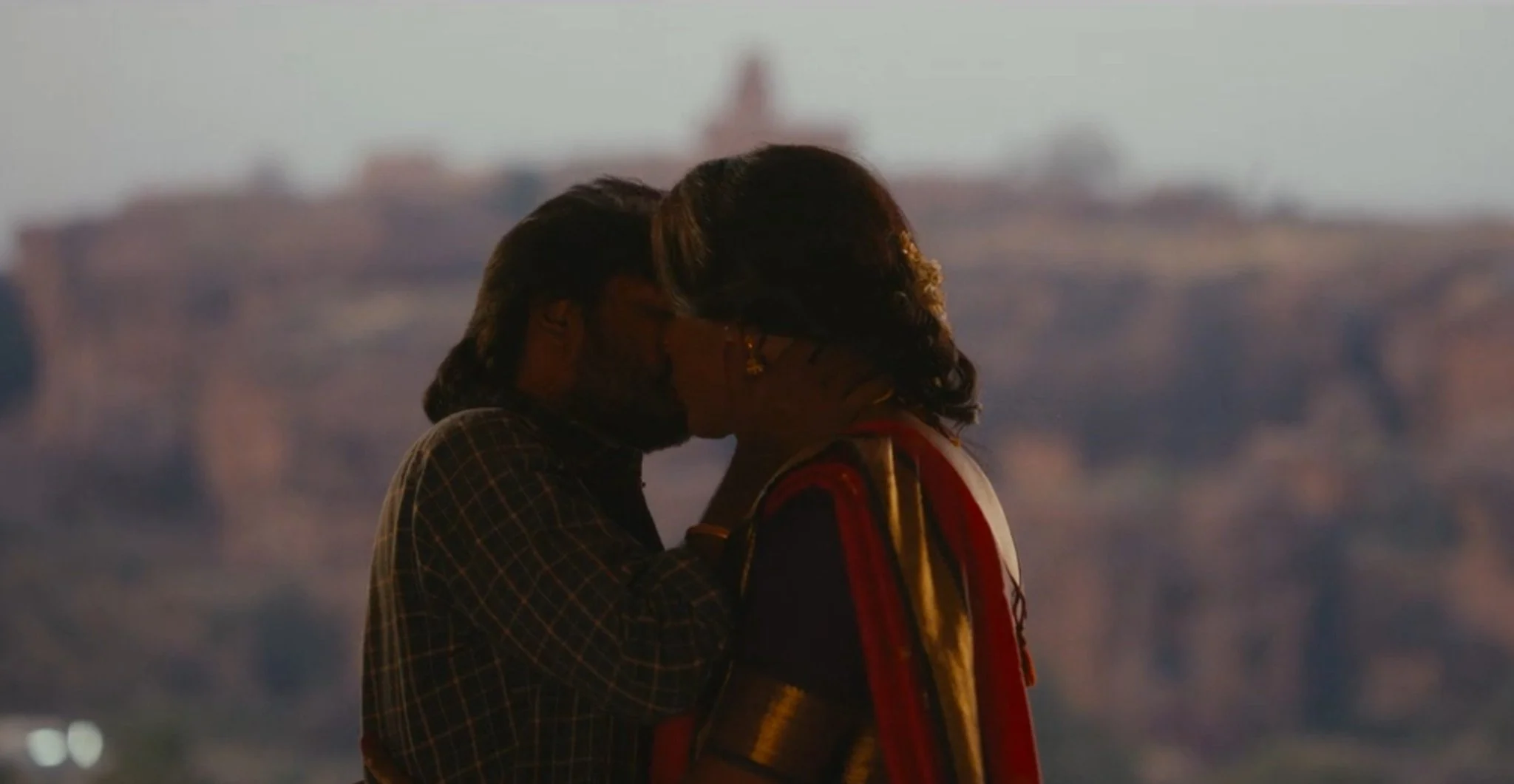
The film shows us that the problem isn’t simply prejudice; sometimes it’s fear. The fear of questioning what one has always believed a man is supposed to be.