



As Deepavali approaches, many Indian households begin preparing for one of the most meaningful practices that takes place before the festival – preparing food offerings for deceased loved ones.
From grandparents and great-grandparents to parents and other family members who are no longer with us, families often cook their favourite dishes, arrange them as offerings and take a moment to remember those who were once an important part of their lives.
For many, this may seem like a tradition passed down through generations. However, beyond the customary practice lies a much deeper meaning: remembrance, gratitude and the desire to keep our loved ones close, even when they are no longer physically present.
A Way of Remembering Those Who Were Once Part of Our Lives
Our grandparents and ancestors may no longer be around to celebrate Deepavali with us, but the memories they leave behind remain part of who we are.
There were once festive mornings when they prepared meals, welcomed family members into their homes and celebrated special occasions alongside everyone else. Just because they are no longer here does not mean they should be forgotten, especially during meaningful occasions such as Deepavali.
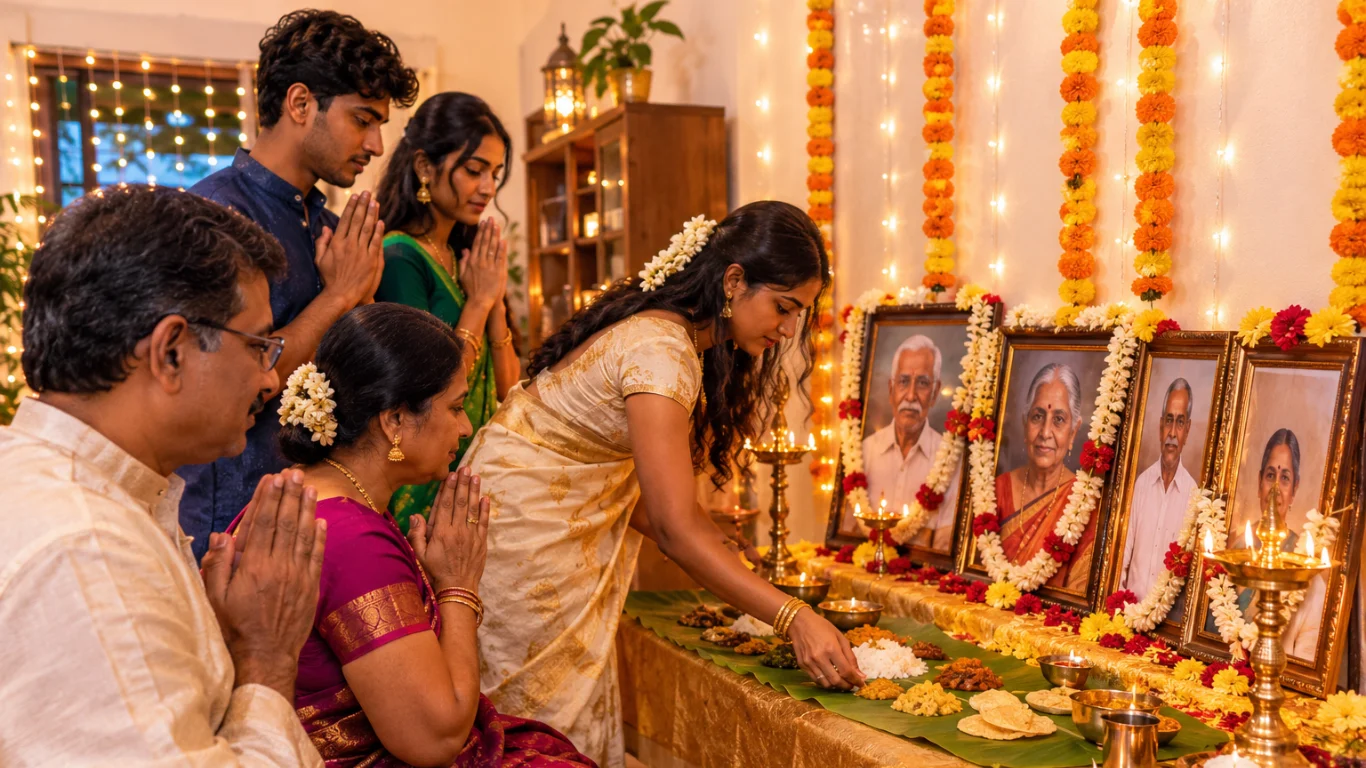
Preparing Their Favourite Dishes as a Gesture of Love
One of the most touching aspects of this practice is the effort families put into preparing food that their deceased loved ones once enjoyed.
Whether it is a particular vegetarian dish, a traditional sweet or a meal that reminds everyone of their grandparents, these offerings are often prepared with care and familiarity.
Food has always been an important part of Indian family traditions. Certain dishes carry memories of childhood, family gatherings and festive celebrations. By preparing their favourite foods, families continue to honour those personal connections and remember the little things that made their loved ones special.
It is not simply about preparing a meal; it is about remembering the person behind it.
Keeping Our Family Roots and Ancestral Stories Alive
This practice also provides an opportunity for younger generations to learn about their family history.
Children may not have had the chance to meet their great-grandparents or may have only heard stories about relatives who passed away before they were born. When families prepare offerings, elders can share stories about their ancestors, their personalities, their favourite foods and the memories they left behind.
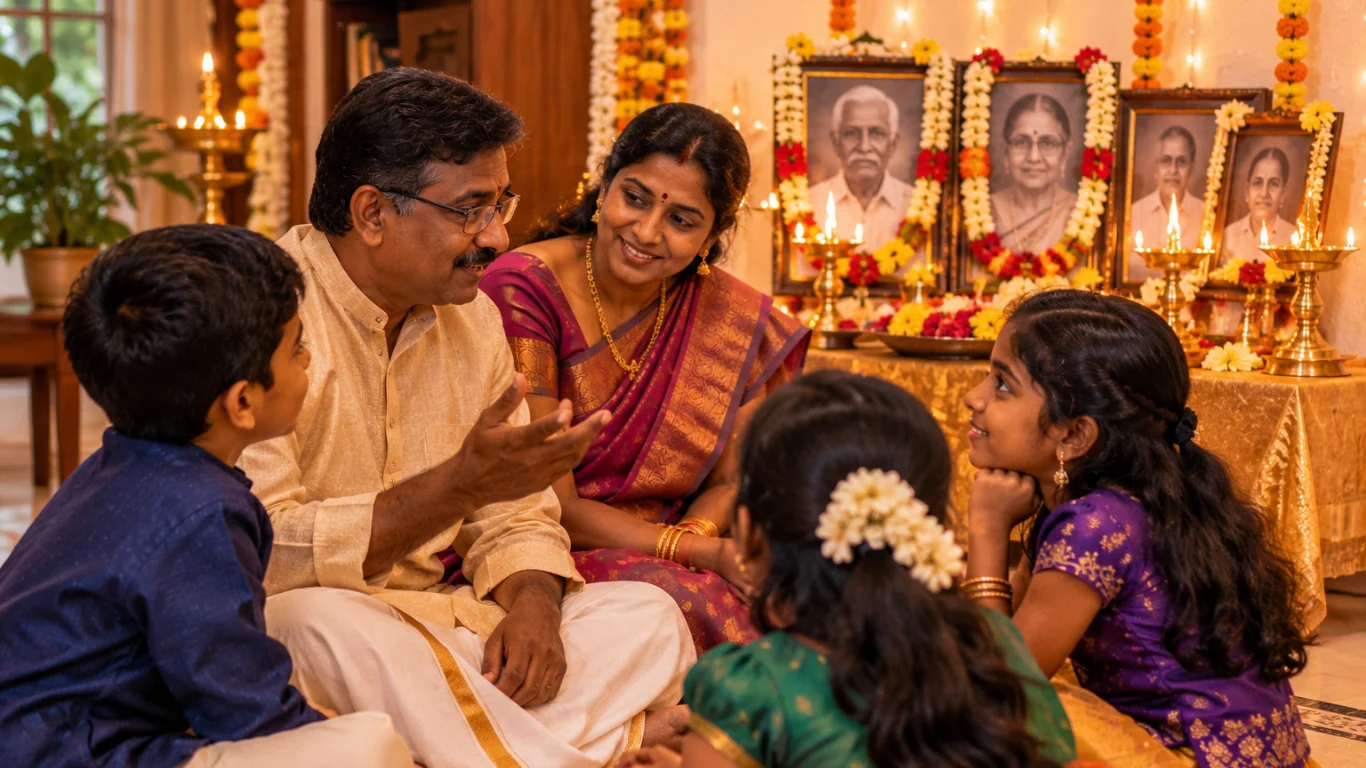
These conversations help younger family members understand where they come from and the people who helped shape their family.
After all, our roots are not just about knowing our family names or where our ancestors came from. They are also about understanding their stories, values and the traditions they passed down to us.
More Than a Tradition, It Is a Connection Between Generations
As lifestyles change and younger generations grow up with different experiences, certain family practices can slowly lose their meaning if they are followed without understanding their significance.
Taking the time to explain why these offerings are prepared allows families to pass down more than just a ritual. It teaches children the importance of remembering their loved ones, respecting their family history and appreciating the generations that came before them.
Deepavali is a time for family, togetherness and new beginnings. While we celebrate with those who are still beside us, remembering those who are no longer here makes the occasion even more meaningful.
At the end of the day, our loved ones may no longer sit at our dining tables, but the memories they created, the food they loved and the values they taught us continue to have a place in our homes.