



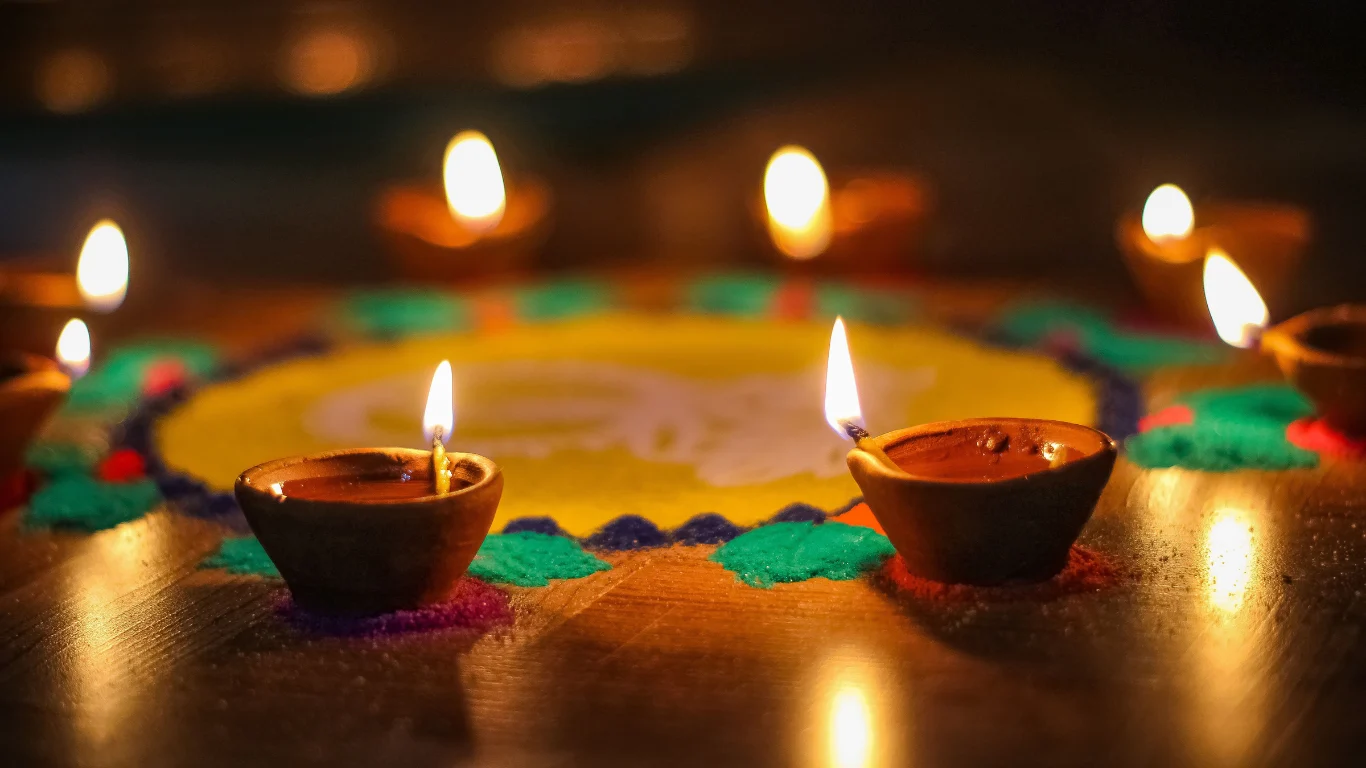
Deepavali has become a huge celebration, with so much to settle before the big day. From shopping for new clothes and preparing mouth-watering palagaaram to cleaning the house, decorating the entrance with kolam and planning temple visits, there is always something to do.
Sometimes, in the middle of all these preparations, we get so caught up in celebrating that we forget why we actually celebrate Deepavali in the first place.
Beyond the murukku, athirasam, sweets and fireworks, Deepavali carries centuries of religious stories, cultural traditions and spiritual beliefs. Let’s take a closer look at the meaning behind these traditions and understand what makes Deepavali more than just a festival of celebrations.
Why Is Deepavali Celebrated During Aippasi?
If you grew up following the Tamil calendar, you would probably remember hearing the word Aippasi whenever Deepavali approaches.
Aippasi is the seventh month of the Tamil calendar, generally falling between mid-October and mid-November. Deepavali is traditionally celebrated during this month because its observance is connected to a particular lunar day known as Naraka Chaturdasi, which usually falls within Aippasi.
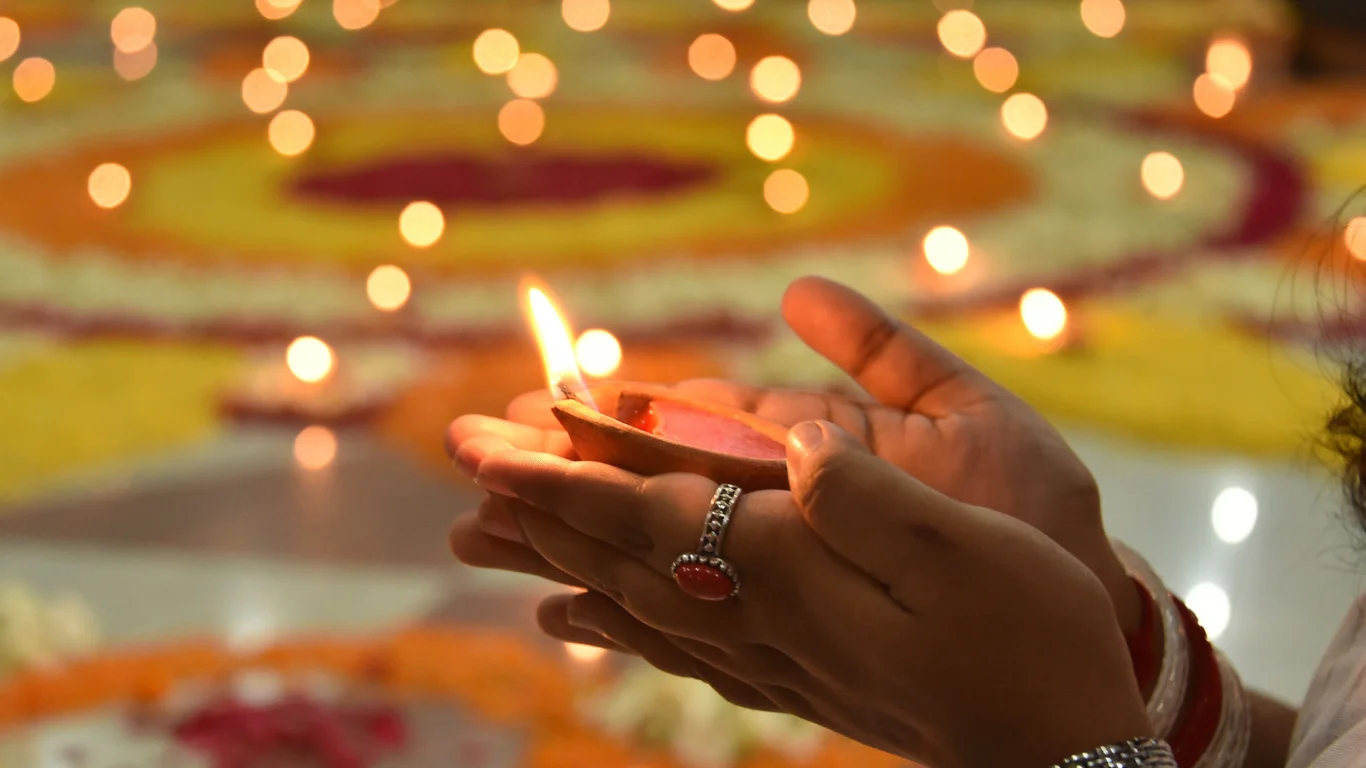
Unlike festivals that follow a fixed date on the Gregorian calendar, Hindu festivals are determined through the traditional lunar calendar and the Panchangam, which considers the position of the Sun and Moon, lunar phases and other astrological elements.
The important thing to understand is that Aippasi is not simply chosen because it is a festive month. It is the combination of the Tamil calendar and the specific lunar observance that determines when Deepavali is celebrated.
What Does Amavasai Have to Do With Deepavali?
Now, here is where things get interesting! Amavasai refers to the new moon day, when the Moon is not visible in the night sky. It is traditionally considered an important day for prayers, remembrance of ancestors and certain religious observances.
However, if you have noticed, Tamil Hindus traditionally celebrate Deepavali on Naraka Chaturdasi, the 14th lunar day of the waning moon, which comes just before Amavasai.
So why do some people say Deepavali falls on Amavasai?
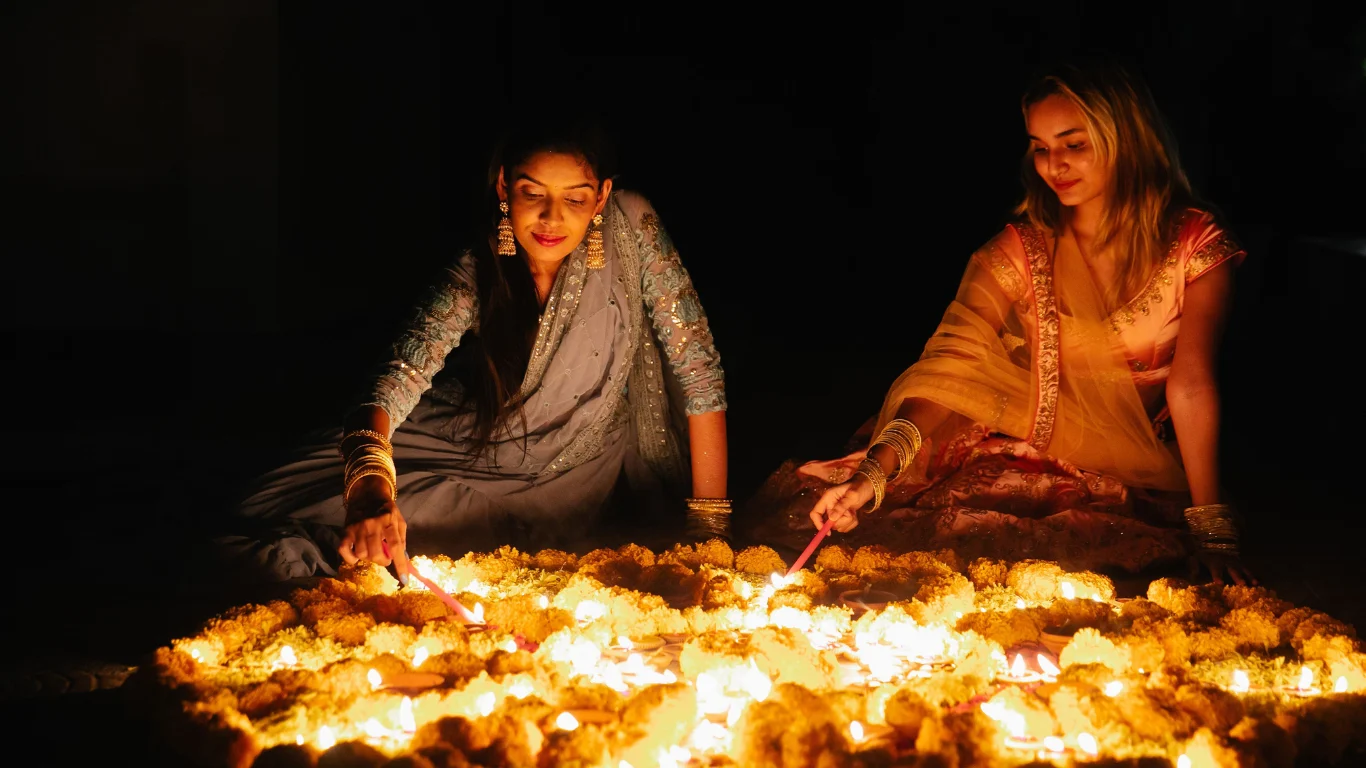
The difference comes from regional traditions and how the festival is observed. In Tamil Nadu and many South Indian communities, the main celebration takes place early in the morning on Naraka Chaturdasi. In many North Indian traditions, the main Diwali celebration takes place on the evening of Amavasai, with elaborate Lakshmi Puja and the lighting of diyas.
Both observances are connected to the same festive period, but their religious emphasis and customs differ.
In simple terms, Naraka Chaturdasi marks the main Tamil Deepavali celebration, while Amavasai is the new moon observance that follows and is central to many other regional Diwali traditions.
Why Is Nalla Neram Important Before Visiting the Temple?
If there is one question that can get an entire household moving on Deepavali morning, it is probably, “Nalla Neram eppo?”
Before getting dressed and heading to the temple, many families make it a point to check the Nalla Neram, or auspicious time, for prayers and religious activities.
In Hindu tradition, Nalla Neram refers to a favourable period determined through the Panchangam. It takes into consideration factors such as the day, lunar phase, star and other astrological calculations to identify a suitable time for religious activities.
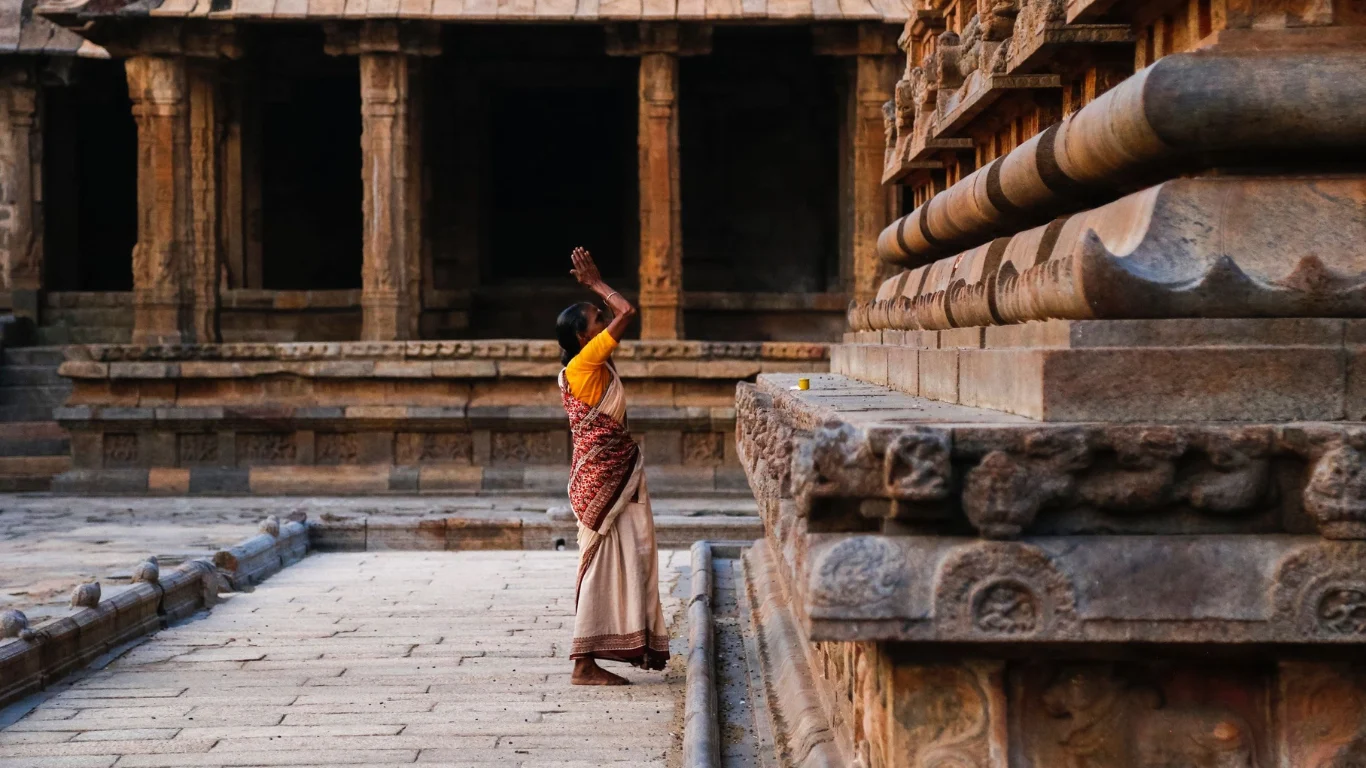
Deepavali is considered an important day for seeking blessings, expressing gratitude and beginning the festive day with positive thoughts. Therefore, some families prefer to visit temples, perform special prayers or begin their religious observances during an auspicious period.
However, it is important to understand that Nalla Neram is a traditional religious practice rather than a compulsory rule that determines whether your prayers will be accepted.
Which God Is Associated With Deepavali?
Here comes another interesting question. Is there one particular God whom everyone must pray to on Deepavali?
The answer is no. Different Hindu traditions associate Deepavali with different deities and religious stories. However, for many Tamil Hindu families, the festival is closely associated with Lord Krishna and the defeat of Narakasura.
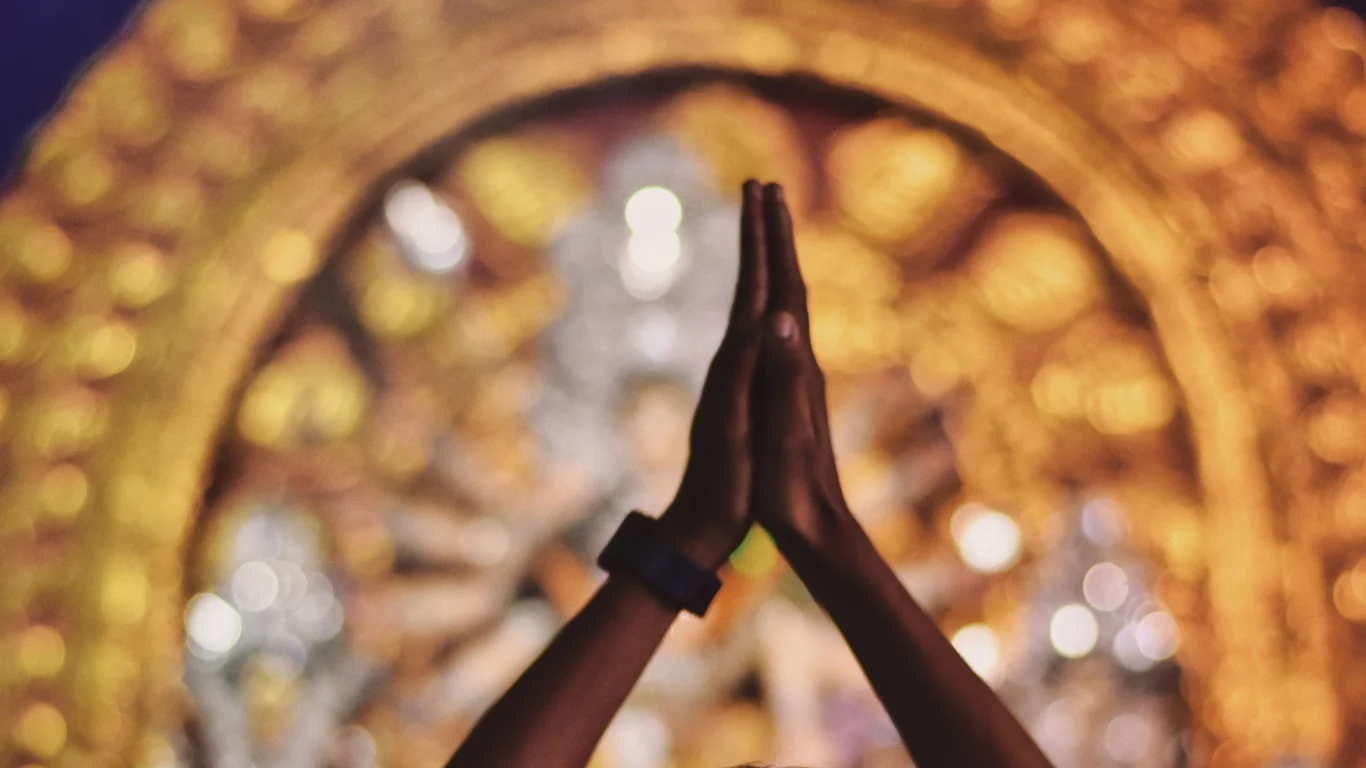
According to Hindu mythology, Narakasura was a powerful demon king who caused suffering and terror. He imprisoned women and troubled the people, making him a symbol of arrogance, cruelty and evil.
Lord Krishna, with the assistance of his wife Sathyabhama, fought Narakasura and defeated him. This is why Deepavali, particularly Naraka Chaturdasi, is associated with Lord Krishna’s victory over darkness and evil.
In many other Hindu traditions, Goddess Lakshmi, the goddess of wealth, prosperity and abundance, is worshipped on Deepavali night. Devotees welcome her into their homes and seek blessings for happiness, peace and prosperity.
Lord Ganesha is also worshipped alongside Goddess Lakshmi in several communities, as he is associated with wisdom, good beginnings and the removal of obstacles.
In certain regions, Goddess Kali is worshipped during the same festive period, while other traditions associate Deepavali with Lord Rama’s return to Ayodhya after defeating Ravana.
Therefore, there is no single deity that every Hindu household must worship on Deepavali. The prayers may differ according to family traditions, regional customs and personal devotion.
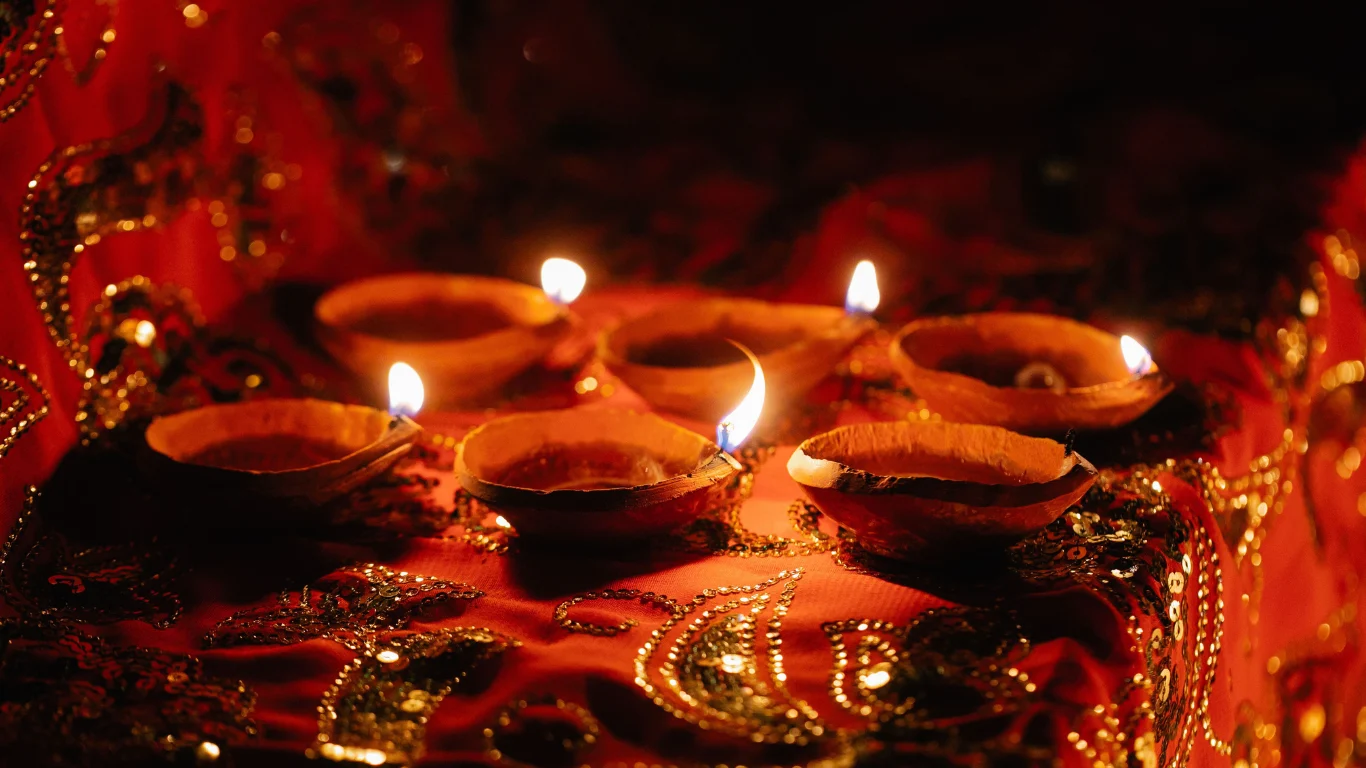
Beyond asking for wealth, success and good fortune, Deepavali is also a wonderful opportunity to reflect on our own lives.
The story of Lord Krishna defeating Narakasura reminds us that evil, arrogance and cruelty should never overpower goodness. Similarly, the light of the vilakku reminds us that knowledge and positive thoughts can guide us through difficult times.
You can offer prayers to your preferred deity, your Kula Deivam or simply spend a few quiet moments expressing gratitude.
After all, festivals are not only about asking for more blessings but also recognising the blessings we already have.