



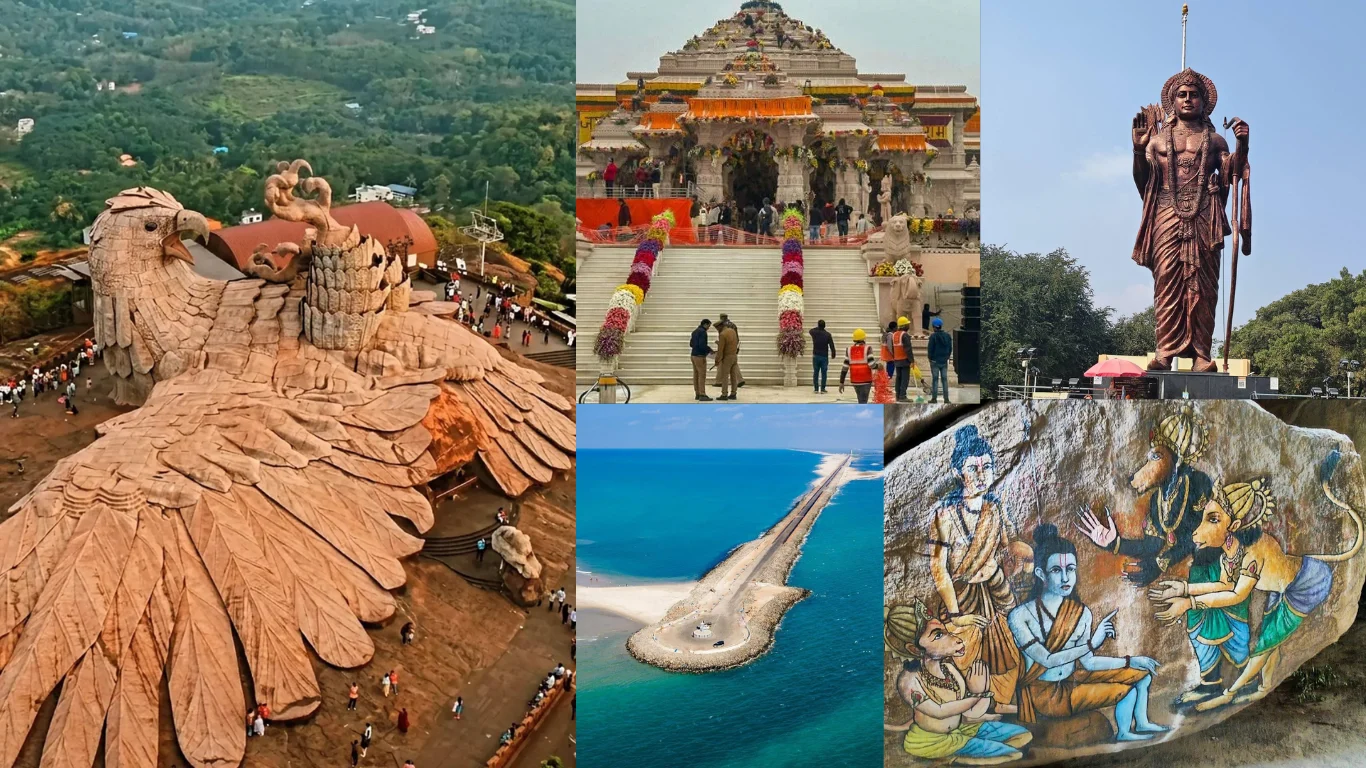
The Ramayana is a story that has travelled through generations, told through books, stage performances and films. Now, with Ramayana Part 1: Rise of A Legend bringing the epic to cinemas in a grand cinematic adaptation, audiences have another opportunity to revisit the legendary journey of Lord Ramana, Goddess Sita, Lakshmana and Lord Hanuman.
But beyond the characters and dramatic moments that unfold on screen, did you know that several places across India are traditionally associated with the events described in the epic? Whether you have already watched the film or are simply a fan of the epic, here are few places in India worth knowing about.
Ayodhya, Uttar Pradesh – Where the Story of Rama Begins
Every great story has a beginning, and for the Ramayana, it starts in Ayodhya.
Situated along the banks of the River Sarayu, Ayodhya is traditionally recognised as the birthplace of Lord Rama, who was born to King Dasharatha and Queen Kausalya, the rulers of the kingdom of Kosala.
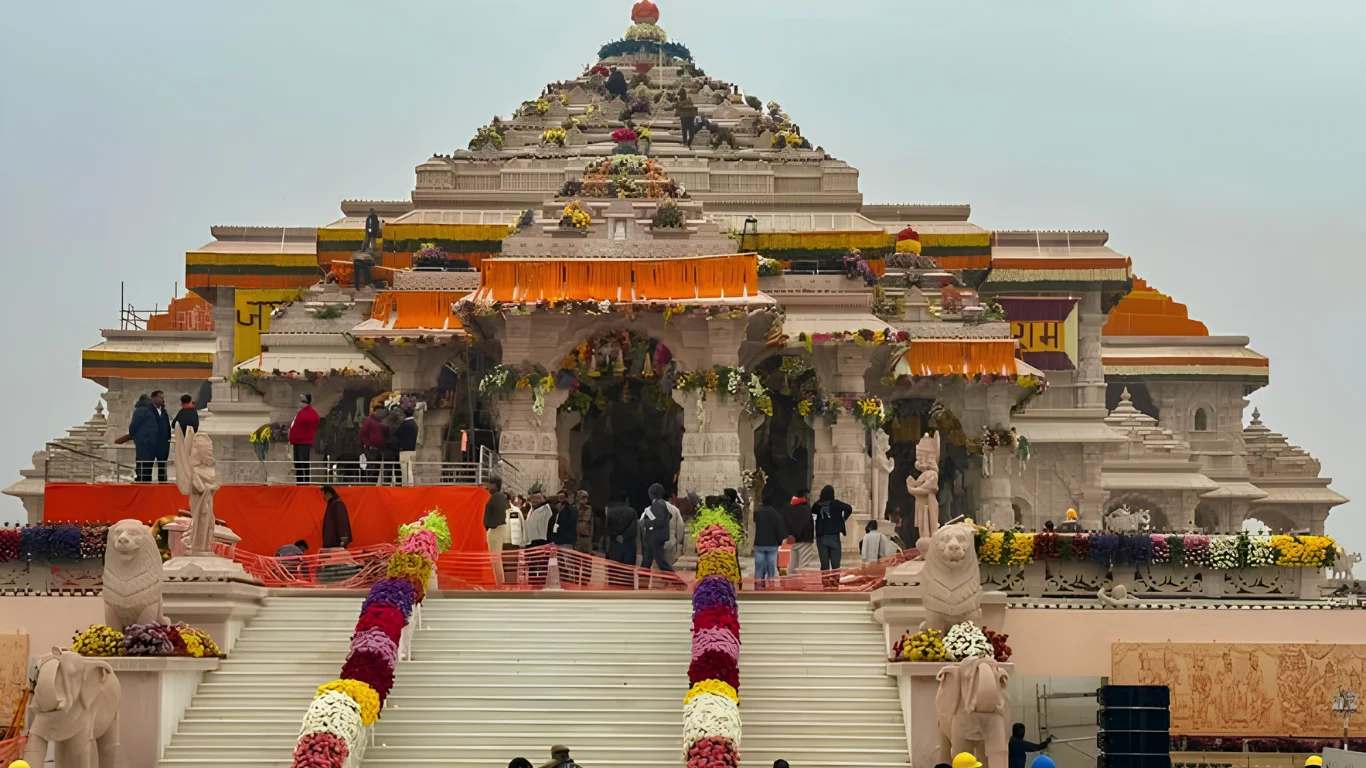
Today, the city is home to the magnificent Shri Ram Janmabhoomi Mandir, built at the site revered as Rama’s birthplace. The grand temple has become one of India’s most significant pilgrimage destinations, attracting devotees from across the world.
For visitors, the journey does not end there. Hanuman Garhi, dedicated to Lord Hanuman, and Kanak Bhawan, traditionally associated with Rama and Sita, are among the other attractions that make Ayodhya a meaningful destination for Ramayana devotees.
Punaura Dham, Sitamarhi, Bihar – The Land Associated with Sita’s Birth
If Ayodhya marks the beginning of Rama’s story, Punaura Dham takes visitors closer to the beginnings of Goddess Sita.
Located in Sitamarhi, Bihar, Punaura Dham is traditionally revered as the birthplace of Sita. According to Hindu tradition, King Janaka discovered a baby girl while ploughing a field during a religious ritual. He and his wife, Queen Sunaina, raised her as their daughter and named her Sita.
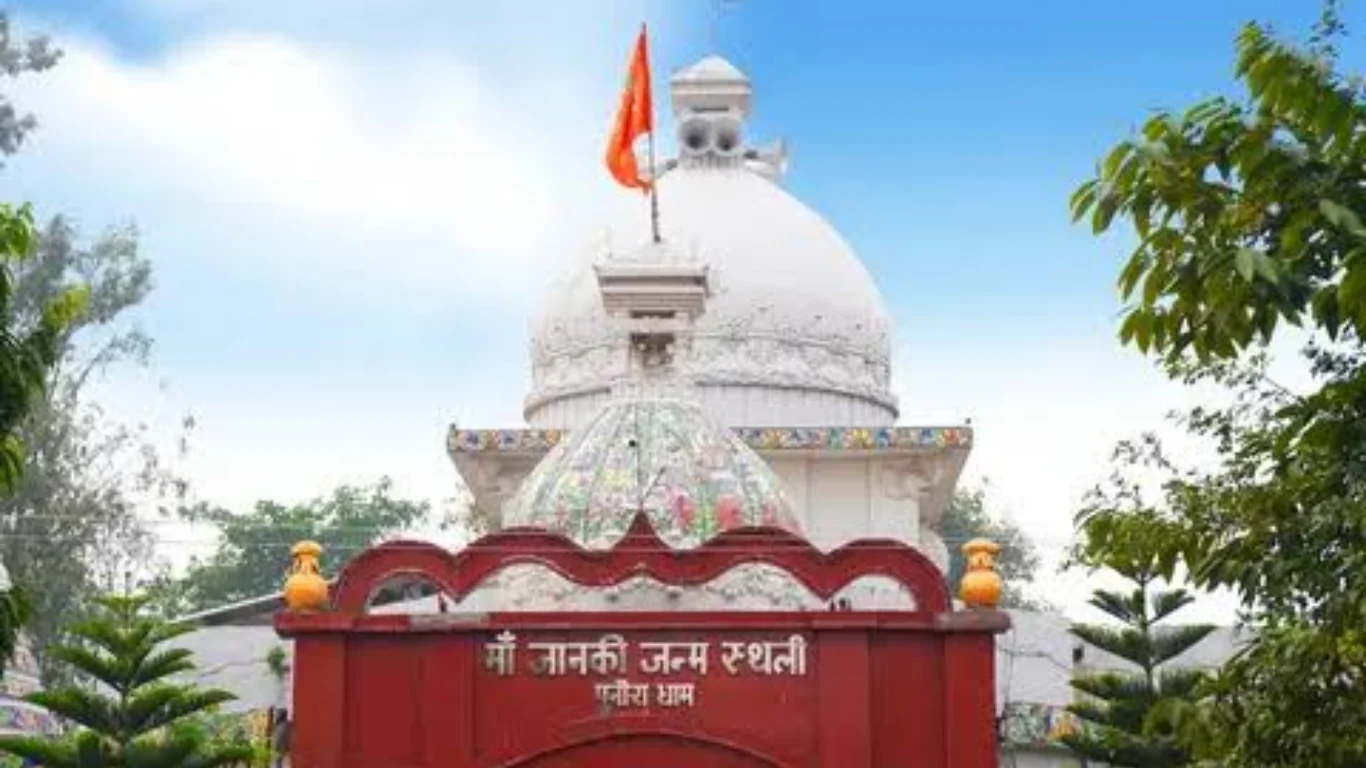
The temple complex dedicated to Goddess Sita is an important pilgrimage destination, with Sita Kund also attracting devotees who visit the sacred site.
Phulhar, Madhubani, Bihar – Where Rama and Sita Are Believed to Have First Met
Before the grand wedding of Rama and Sita, there was a first encounter that has become part of local Ramayana tradition.
In Phulhar, Madhubani district, stands the famous Girija Temple, dedicated to Goddess Parvati. According to local belief, Sita regularly visited the temple to offer her prayers. It is believed that Rama first saw her here when he travelled to Mithila with Sage Vishwamitra.
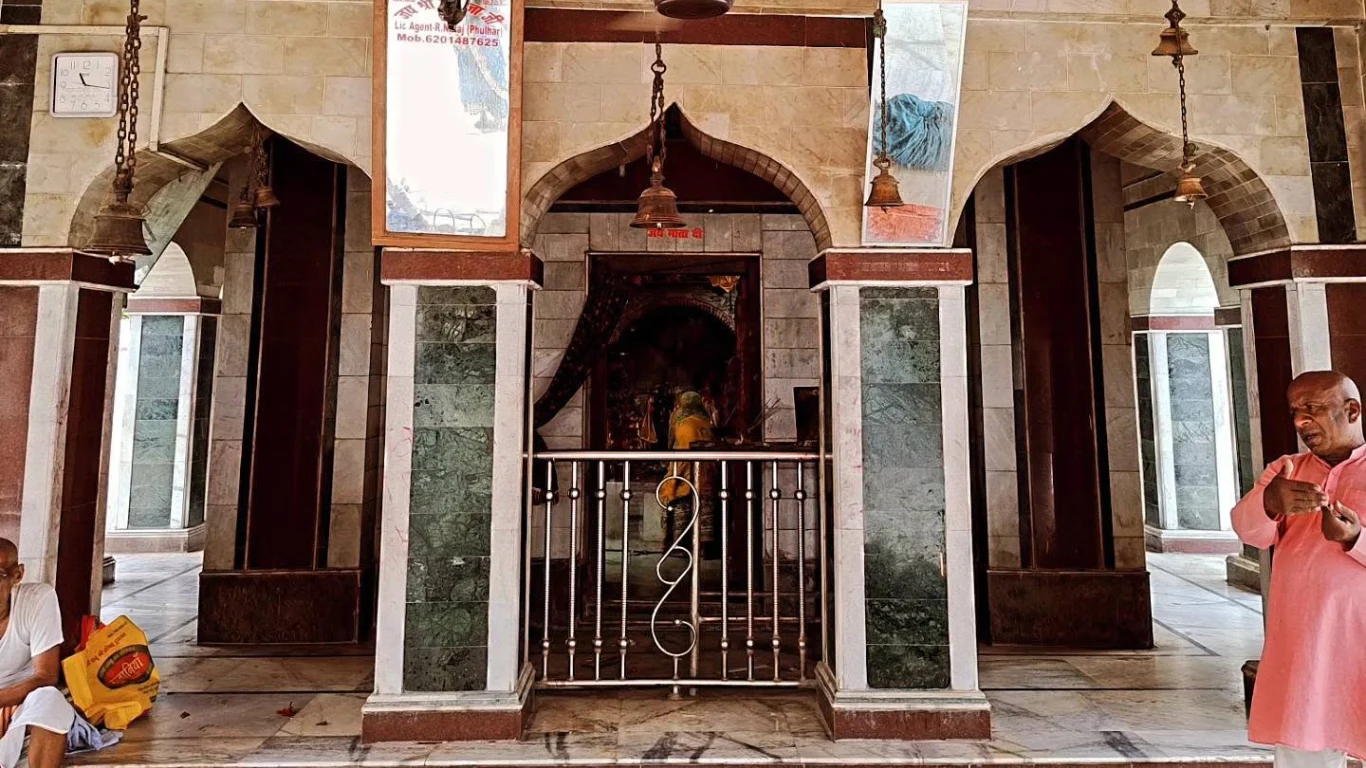
The story adds a romantic touch to the Ramayana, offering a glimpse into the moments leading up to the divine couple’s wedding.
Panchavati and Tapovan, Nashik, Maharashtra – Where Surpanakha’s Encounter Changed the Story
Deep in the forests of Panchavati, another important chapter of the Ramayana is believed to have unfolded.
Located in Nashik, Maharashtra, Panchavati is traditionally associated with the period when Rama, Sita and Lakshmana lived in the forest during their exile.
It was here that Surpanakha, Ravana’s sister, approached Rama and expressed her desire to marry him. Following the confrontation involving Rama, Lakshmana and Surpanakha, Lakshmana cut off her nose. The incident is traditionally associated with Tapovan, an area near Panchavati.
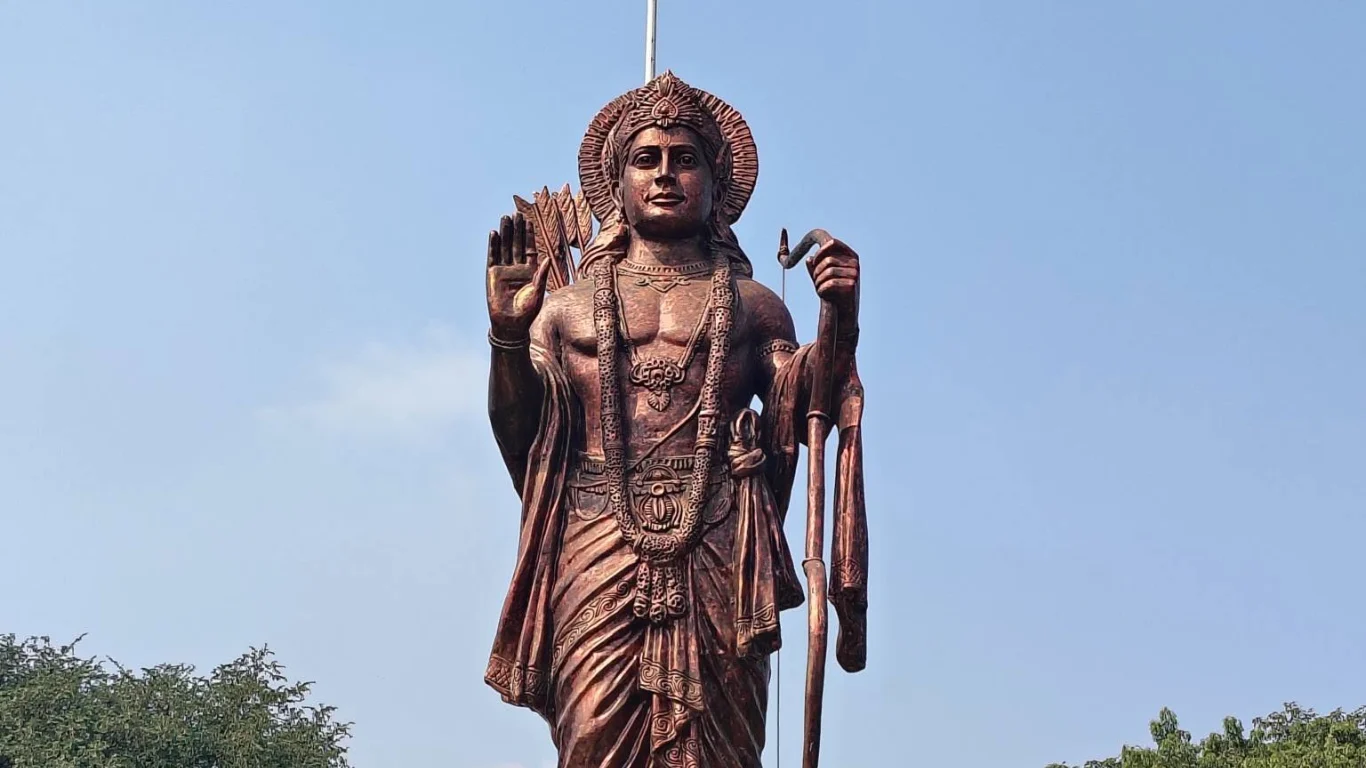
The episode would eventually have significant consequences, as Surpanakha’s encounter with the brothers is linked to Ravana’s growing hostility towards Rama and the events that led to Sita’s abduction.
Visitors can also explore Sita Gufa, a cave traditionally associated with Sita’s stay before her abduction.
For those revisiting the story through the film, Panchavati is an important destination connected to the events that set the larger conflict in motion.
Jatayu Earth’s Center, Chadayamangalam, Kerala – The Place That Remembers a Hero’s Sacrifice
One of the most moving moments in the Ramayana is Jatayu’s attempt to save Sita from Ravana.
When Ravana abducted Sita and carried her away towards Lanka, the courageous Jatayu tried to stop him. Despite putting up a fierce fight, the mighty bird was wounded by Ravana and fell to the ground after losing his wings.
In Kerala, Jatayu Earth’s Center at Chadayamangalam is traditionally associated with the place where Jatayu fell.
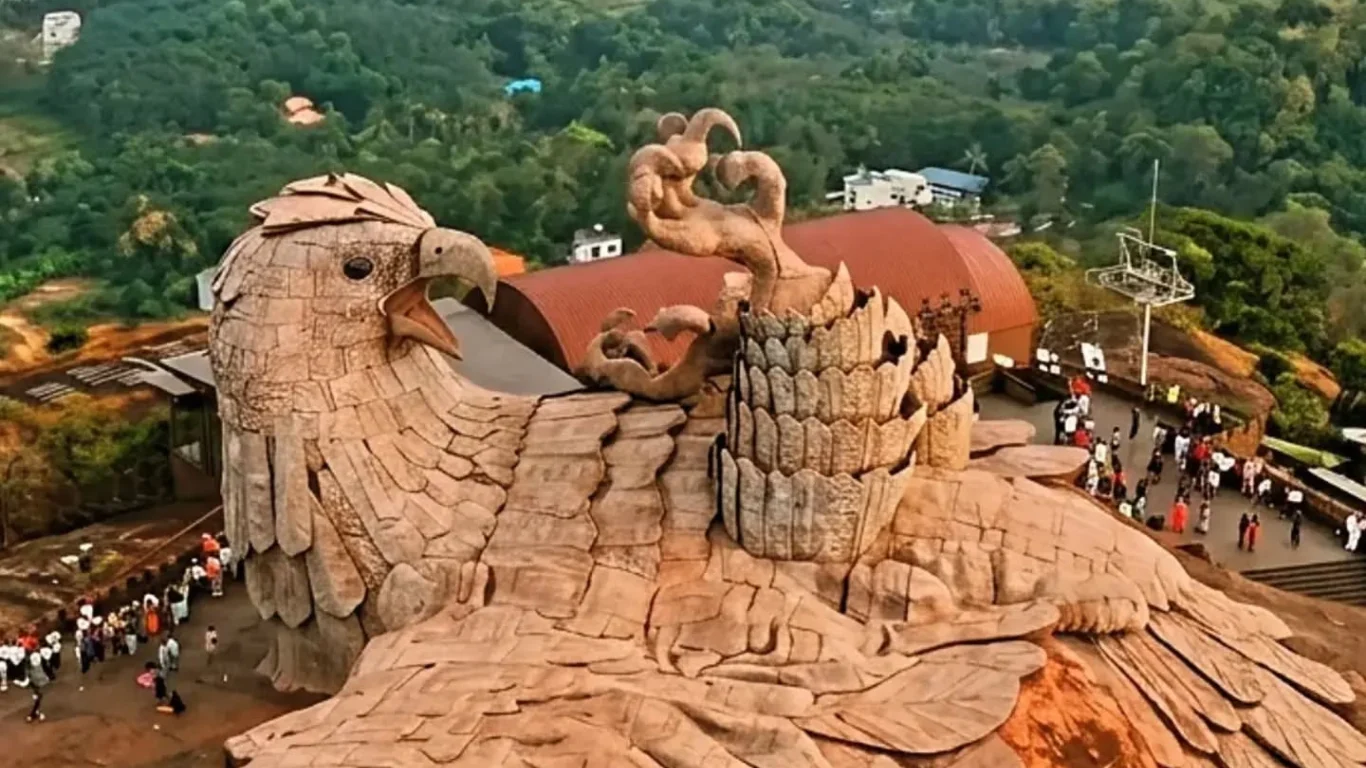
The attraction is home to an enormous Jatayu sculpture, measuring approximately 200 feet in length, commemorating his bravery and sacrifice. Visitors can also explore its museum and other experiences that bring the legendary story to life.
The character of Jatayu also features in the new cinematic adaptation, making this destination particularly interesting for moviegoers who want to learn more about the heroic bird and his role in the epic.
Anegundi and Kishkindha, Karnataka – Where Rama’s Search Led Him to Hanuman
As Rama continued his search for Sita, his journey eventually brought him to the kingdom of Kishkindha, traditionally associated with the Hampi-Anegundi region of Karnataka.
It was in this region that Rama encountered Hanuman, whose introduction to Sugriva would change the course of the search for Sita.
Sugriva, the exiled Vanara king, agreed to help Rama find Sita in exchange for assistance in reclaiming his kingdom. This alliance eventually brought together Rama’s army and the Vanaras, setting the stage for the journey towards Lanka.
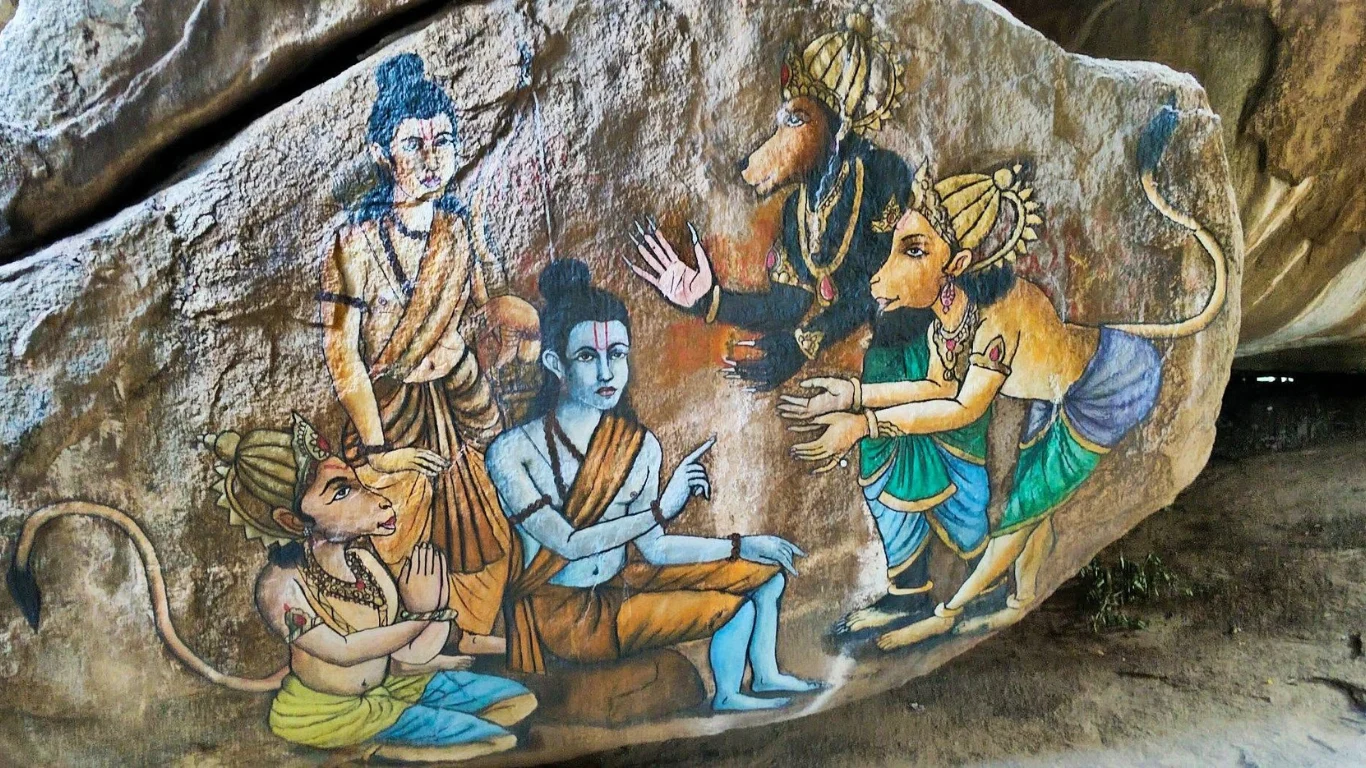
The region is filled with locations associated with these events. Rishyamukha Hill is traditionally identified as Sugriva’s refuge, while Pampa Sarovar is a sacred lake mentioned in the Ramayana. Anjanadri Hill, near Anegundi, is also traditionally believed to be Hanuman’s birthplace.
With its dramatic rocky landscapes and ancient religious sites, the region offers a fascinating opportunity to explore the legendary kingdom of Kishkindha and the beginning of Rama and Hanuman’s remarkable alliance.
Rameswaram and Dhanushkodi, Tamil Nadu – The Legendary Bridge That Led to Lanka
The final destination takes us to the southern coast of Tamil Nadu, where one of the Ramayana’s most extraordinary undertakings is remembered.
After learning about Sita’s whereabouts, Rama and his Vanara army prepared to cross the sea to reach Lanka and rescue her. According to the epic, the army constructed a bridge across the ocean, traditionally known as Ram Setu or Rama’s Bridge.
The chain of limestone shoals, also known as Ram Setu, stretches between India’s Pamban Island and Sri Lanka’s Mannar Island.
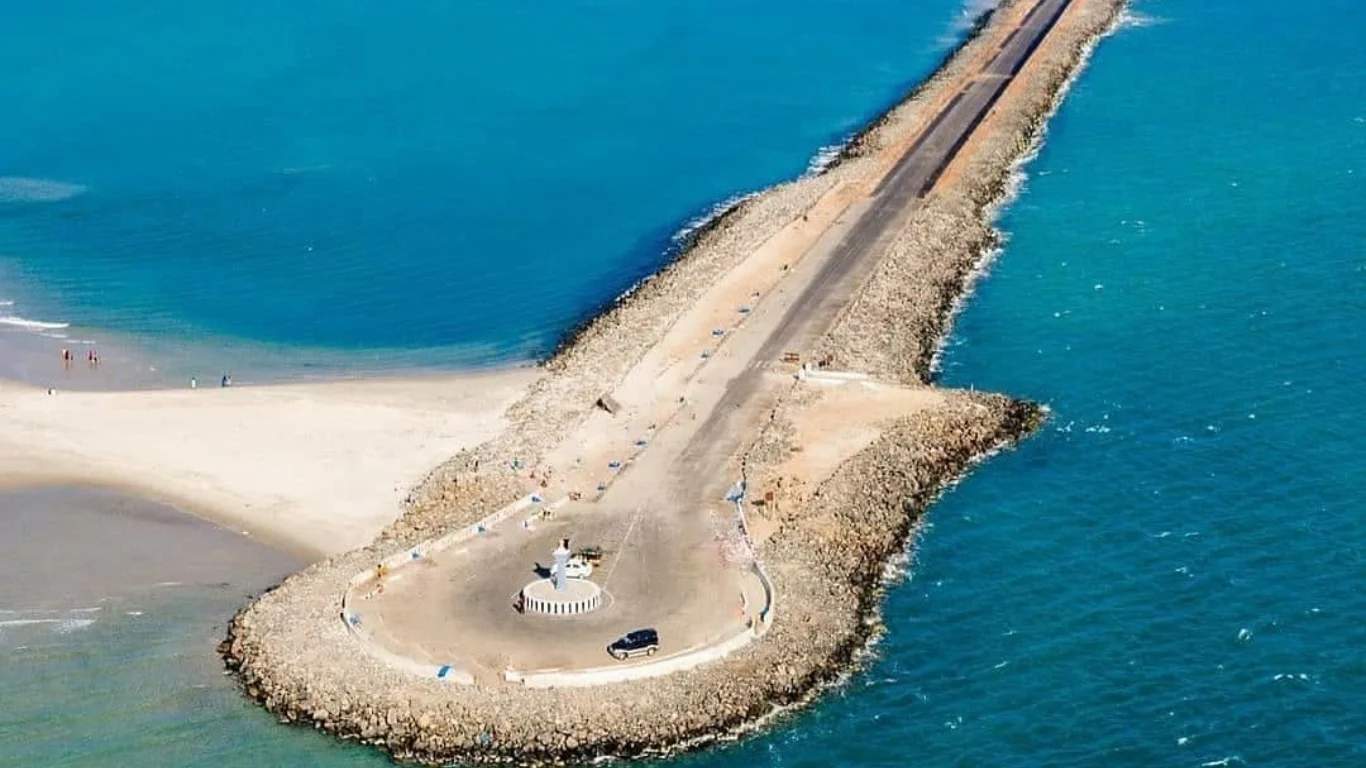
Rameswaram and Dhanushkodi are closely associated with the legendary bridge. Rameswaram is also home to the famous Ramanathaswamy Temple, which is traditionally linked to Rama’s worship of Lord Shiva following his victory over Ravana.
At Dhanushkodi, visitors can experience the dramatic meeting of the sea and the remains of a once-thriving coastal town, while exploring the landscape connected to the Ramayana’s journey towards Lanka.
For anyone inspired by the epic’s grand battle and Rama’s journey to rescue Sita, this destination offers a fitting final stop.
From the Big Screen to the Places Behind the Legend
With Ramayana: Rise of a Legend introducing the timeless epic to audiences through a new cinematic experience, there is no better opportunity to revisit the stories and places that have kept the Ramayana alive across generations.
While the exact historical connections between these locations and the events of the Ramayana are rooted in religious beliefs and local traditions, their significance continues to inspire devotees and travellers alike.
So, after watching the story unfold on the big screen, perhaps the next adventure for Ramayana fans could be exploring the places traditionally connected to the epic itself.
Sources: The Hindu Heritage Facebook, Ease My Trip