



Ravana, the powerful king of Lanka, is often remembered as one of the most fearsome antagonists in Hindu mythology. Known for his strength, intelligence, devotion and immense knowledge, he is traditionally depicted with ten heads, a striking image that has become synonymous with his character.
This symbolism has recently caught the attention of audiences through Ramayana: Part 1 – The Rise of a Legend, where the filmmakers have presented Ravana’s ten heads in a distinctive and thought-provoking manner. Rather than simply showing ten physical heads, the film takes viewers into Ravana’s mind, portraying the different personalities, emotions and thought processes that exist within him.
What Do Ravana’s Ten Heads Represent?
One popular interpretation of Ravana’s ten heads connects them to ten different human qualities, emotions and aspects of the mind. These include six negative qualities, often described as the six inner enemies of human beings, alongside four other aspects of human consciousness.
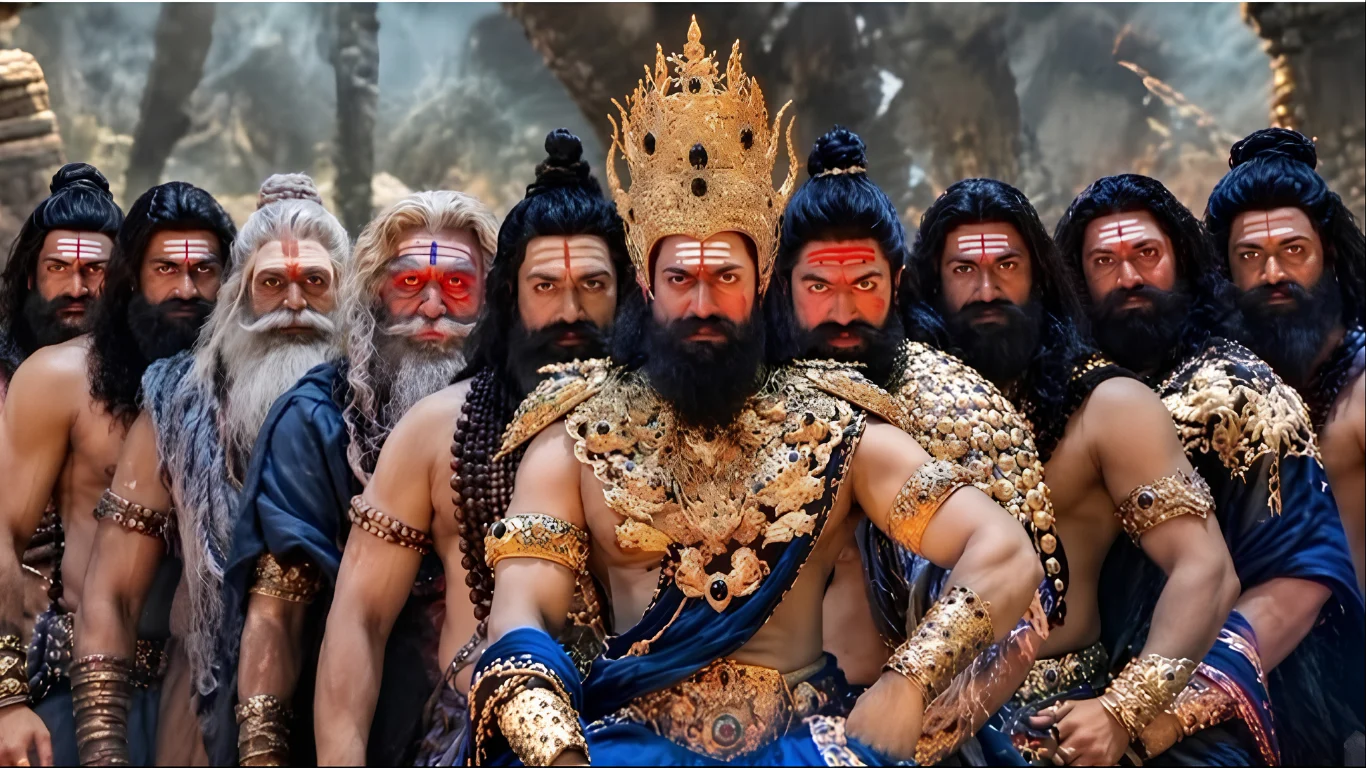
Here is a closer look at what each of these qualities represents:
Kama – Desire and Lust
Kama represents desire, attraction and uncontrolled longing. While desires are a natural part of human life, allowing them to take control can lead to poor decisions and harmful consequences. In Ravana’s story, his desire for Sita becomes a turning point that eventually contributes to his downfall.
Krodha – Anger
Krodha refers to anger and uncontrolled rage. It can cloud a person’s judgement and lead them to act without considering the consequences. Ravana’s pride and temper often influence how he responds to those who challenge his authority.
Lobha – Greed
Lobha represents greed and the endless desire for more, even when a person already possesses wealth, power and influence. Despite being the ruler of a prosperous kingdom, Ravana’s hunger for control and possession reflects how greed can overshadow reason.
Moha – Attachment and Delusion
Moha refers to emotional attachment and delusion, where a person becomes so attached to something that they struggle to recognise what is right or wrong. It represents the inability to see situations clearly because of personal desires and attachments.
Mada – Pride and Arrogance
Mada represents excessive pride, arrogance and intoxication with one’s own achievements. Ravana was known for his extraordinary abilities, knowledge and power. However, his belief in his own superiority eventually made him dismiss warnings and advice from others.
Matsarya – Envy and Jealousy
Matsarya refers to jealousy and envy, particularly when a person finds it difficult to accept another person’s success, strength or achievements. It reflects the insecurity that can develop when one’s ego is constantly challenged.
Manas – The Mind
Manas represents the human mind, where thoughts, feelings, doubts and desires constantly arise. It is responsible for processing experiences and responding to different situations. In Ravana’s case, it reflects the many thoughts competing for attention before he makes a decision.
Buddhi – Intellect and Reasoning
Buddhi represents intelligence, understanding and the ability to distinguish between right and wrong. Ravana was regarded as a highly learned scholar, but intelligence alone does not guarantee wise decisions. His character demonstrates how knowledge can lose its purpose when it is influenced by arrogance and personal desires.
Chitta – Consciousness and Memory
Chitta represents the deeper consciousness, including memories, impressions and experiences that influence a person’s thoughts and behaviour. It reflects how past experiences and deeply rooted beliefs can shape the way someone responds to the present.
Ahamkara – Ego and Self-Identity
Ahamkara represents the sense of ‘I’ or individual identity, often associated with ego and self-importance. It becomes destructive when a person places their own authority and desires above everything else. Ravana’s refusal to accept his mistakes and acknowledge the consequences of his actions reflects this aspect of his character.
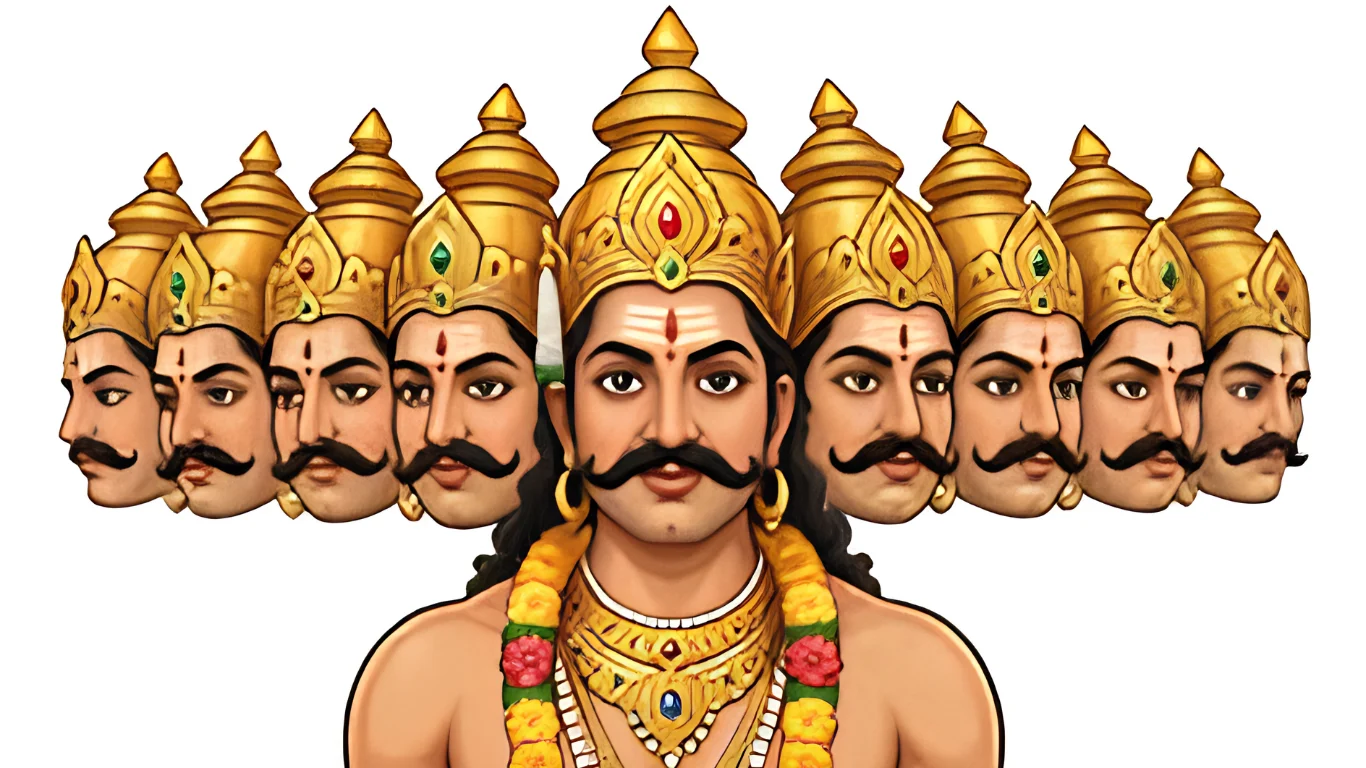
These ten qualities are one popular symbolic interpretation rather than a definitive list established in the original Ramayana. Together, they offer an interesting way of understanding the different forces that influence human behaviour.
More Than a Villain: The Complexity of Ravana
Ravana’s character has always carried two contrasting sides. He was a powerful ruler, a gifted musician, a knowledgeable scholar, and a devoted follower of Lord Shiva. At the same time, his arrogance, uncontrolled desires, and refusal to acknowledge his mistakes ultimately led to his downfall.
This is what makes the ten-headed portrayal particularly meaningful. It highlights how a person can possess intelligence, strength, and knowledge while still struggling to control their emotions and impulses. Ravana’s greatest battle was not always against his enemies but, in many ways,
Ultimately, Ravana’s ten heads serve as a reminder that every individual carries different emotions and conflicting thoughts. What matters is which of these voices we choose to follow.
Source: Hindu American, ABP Live