



As Karthigai Deepam approaches, many Indian households begin preparing for the festival by cleaning their homes, decorating their prayer altars, and getting their vilakku ready to be lit.
The sight of rows of glowing oil lamps is one of the most beautiful parts of the celebration. However, have you ever noticed that many families prefer to light their oil lamps in odd numbers, such as one, three, five, or seven?
But what makes these numbers so meaningful?
The Spiritual Connection Between Odd Numbers and Hindu Culture
In Hindu traditions, numbers such as one, three, five and seven hold special spiritual significance. They appear in various religious practices, rituals and symbolic representations.
For instance, the number one represents unity and the ultimate divine presence. Three is associated with the Trimurti – Brahma, Vishnu and Shiva, while five is connected to the Pancha Bhoota, or the five elements of nature.
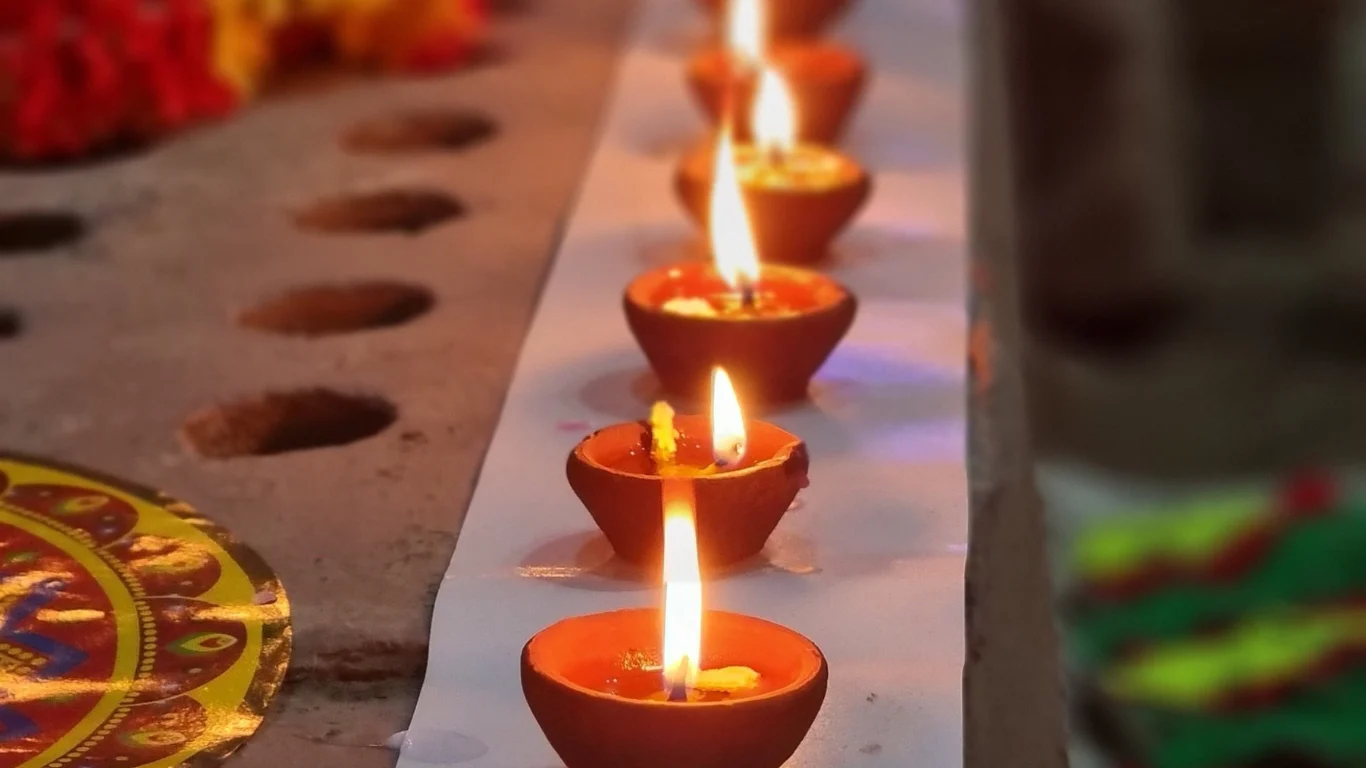
The number seven also appears in several spiritual traditions, including the seven chakras and the seven sacred steps taken during certain Hindu wedding ceremonies.
These associations help explain why odd numbers are often considered auspicious in Hindu households. While their meanings vary across traditions, they are commonly used in religious offerings and celebrations as symbols of blessings and spiritual completeness.
During Karthigai Deepam, lighting oil lamps in odd numbers is one way families incorporate this symbolism into their prayers and festive preparations.
Why Are Odd Numbers Considered Auspicious?
One of the common beliefs behind odd numbers is that they symbolise continuity and the possibility of growth.
Unlike even numbers, odd numbers cannot be divided equally into two whole numbers. In some cultural interpretations, this is associated with the idea of something continuing rather than coming to a complete end. This symbolism is often connected to Hindu customs, where odd numbers are used when offering flowers, preparing religious offerings and lighting lamps during auspicious occasions.
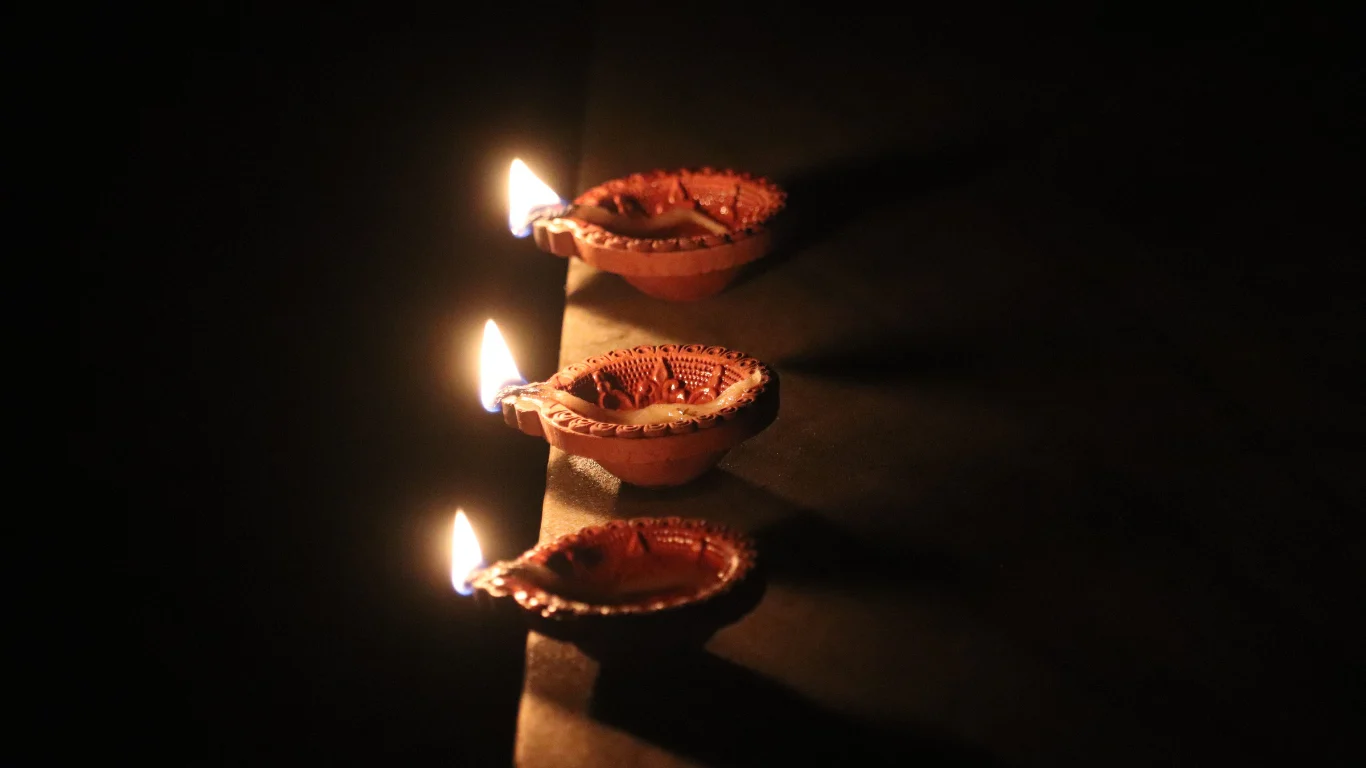
However, there is no single explanation that applies to every Hindu tradition. The practice of lighting oil lamps in odd numbers is largely a cultural and devotional custom passed down through generations.
For many families, it is simply a meaningful way of honouring their faith and preserving traditions they grew up with.
The Significance of Lighting Oil Lamps During Karthigai Deepam
Karthigai Deepam is a festival dedicated to the worship of light, particularly associated with Lord Shiva appearing as an endless column of divine fire.
The lighting of oil lamps symbolises the removal of darkness and the welcoming of light, knowledge, and spiritual awareness into our lives.
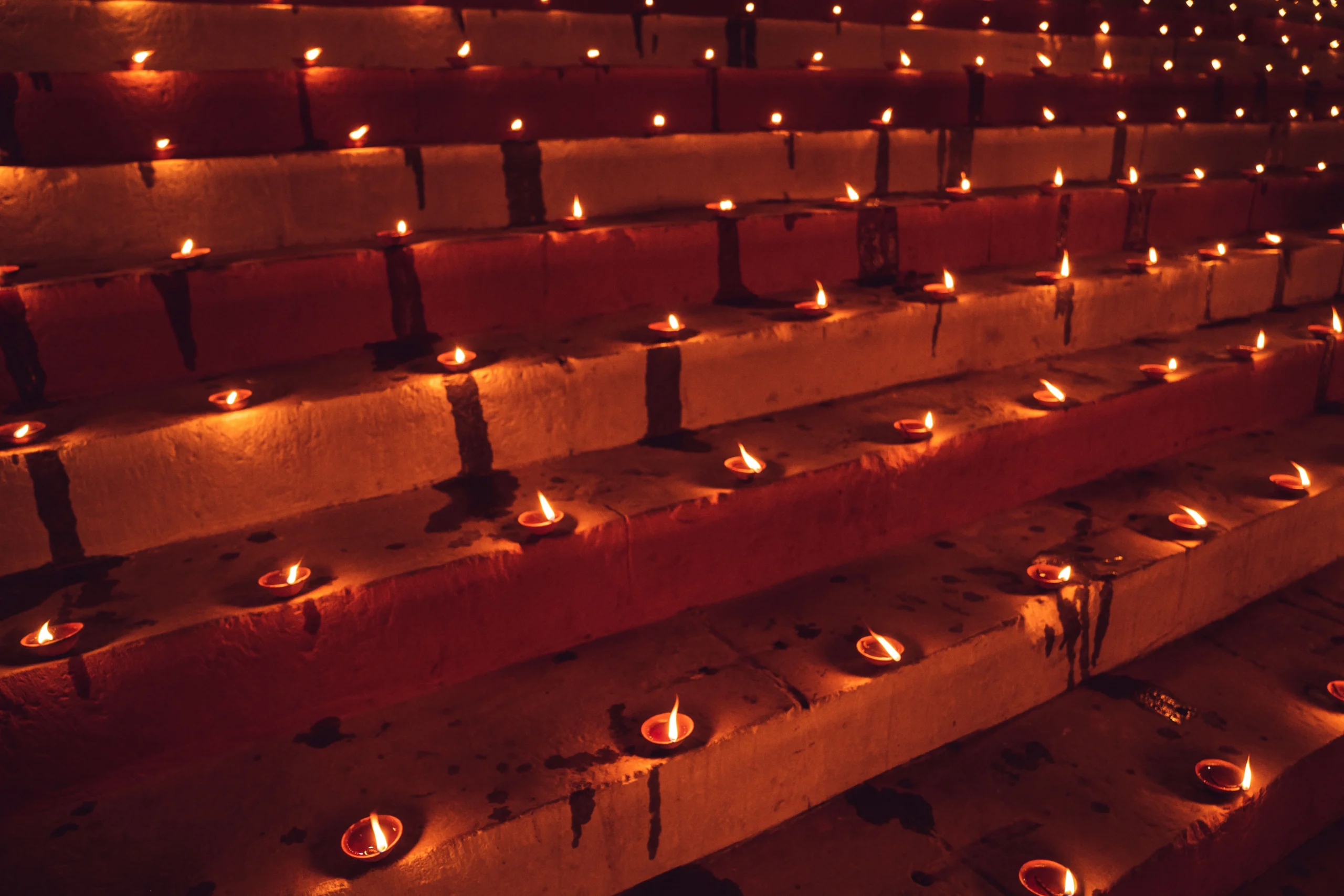
When families arrange their lamps in odd numbers, the practice becomes an additional expression of their faith. Each lamp contributes to the beautiful glow of the home, creating a peaceful and sacred atmosphere for prayers and celebrations.
Whether it is a single vilakku placed at the prayer altar or several lamps arranged along the entrance, the act of lighting them carries a special meaning.
Is It Necessary to Light Oil Lamps Only in Odd Numbers?
Although lighting vilakkus in odd numbers is a familiar tradition in many Indian households, it is not a universal requirement for celebrating Karthigai Deepam.
Some families may light one lamp, while others prefer three, five, seven, or more. The number of lamps used can also depend on family customs, available space, and personal religious practices.
What matters most is the devotion and intention behind lighting the lamp.
After all, the beauty of Karthigai Deepam lies not only in the number of oil lamps that illuminate our homes but also in the faith, prayers and togetherness they represent.
As we prepare to celebrate Karthigai Deepam, perhaps the next time we light our oil lamps, we can appreciate the deeper meaning behind this beautiful tradition.
Source: Parihara Online