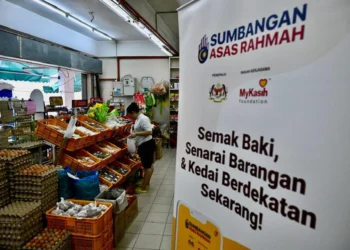

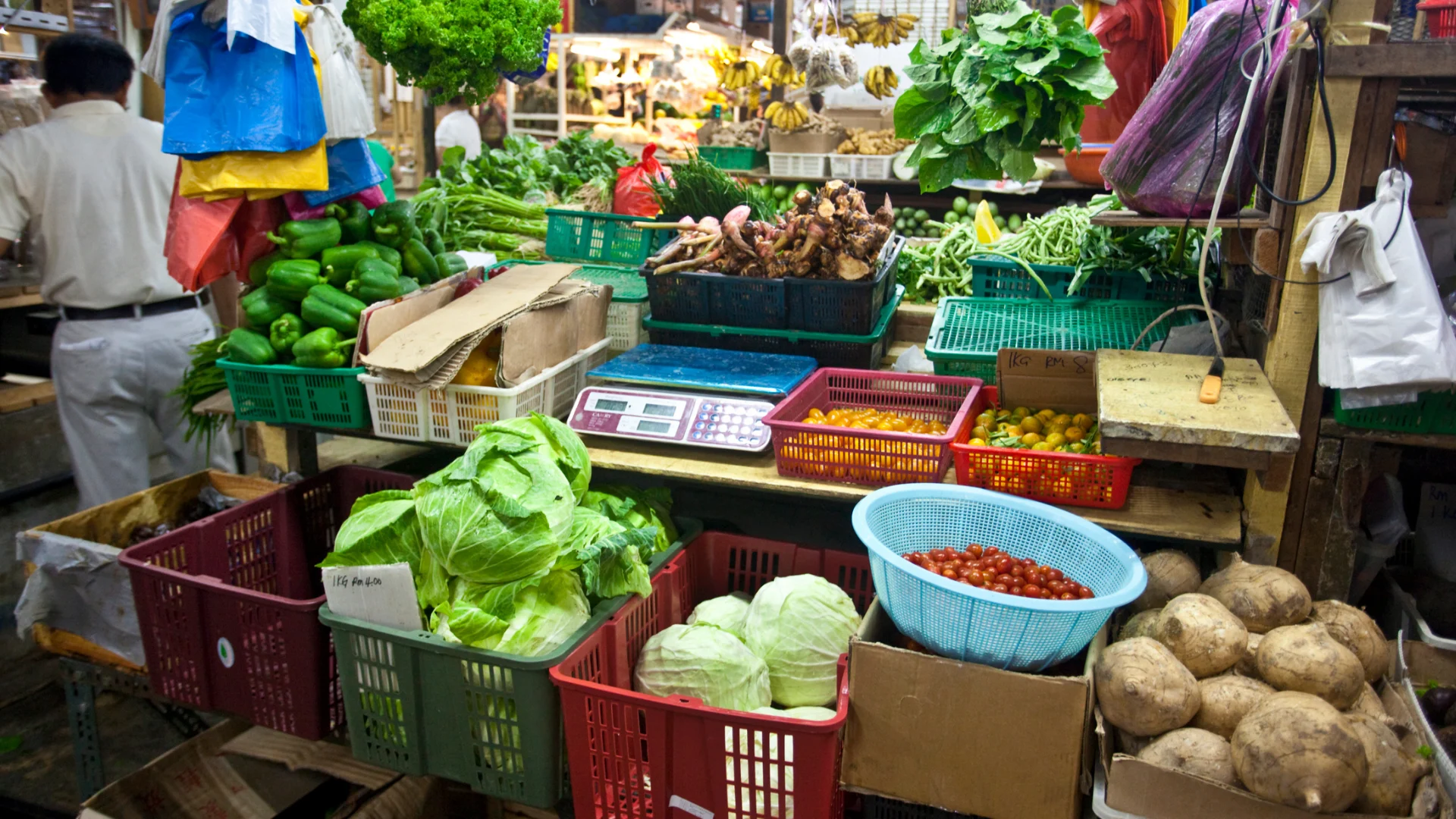
As Malaysia approaches two major festive occasions, Thaipusam and Chinese New Year, many consumer have expressed concern over rising food prices, especially for essential items commonly used in festive preparations. The issue has sparked public debate and promoted an official response from authorities on the real situation in the market.
Public Worries: Food Prices on the Rise
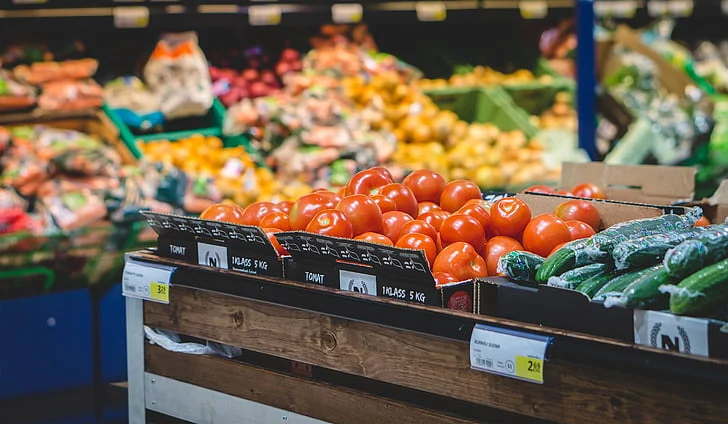
In Penang, market surveys conducted by local community groups and shoppers revealed what many feel is a noticeable increase in the cost of everyday food items. Vegetables like tomatoes, brinjals and ginger were among the items reported to have surged in price compared to just a month earlier. Some shoppers said they had seen prices rise by as much as 100% for certain goods.
These increase came at a time when many families are planning special meals and offerings for Thaipusam, a significant Hindu festival, and Chinese New Year, one of Malaysia’s most widely celebrated holidays. For many households, vegetables, spices, and other fresh produce are essentials for festive cooking. A sudden jump in prices can affect budgets and add stress during what is usually a joyful time.
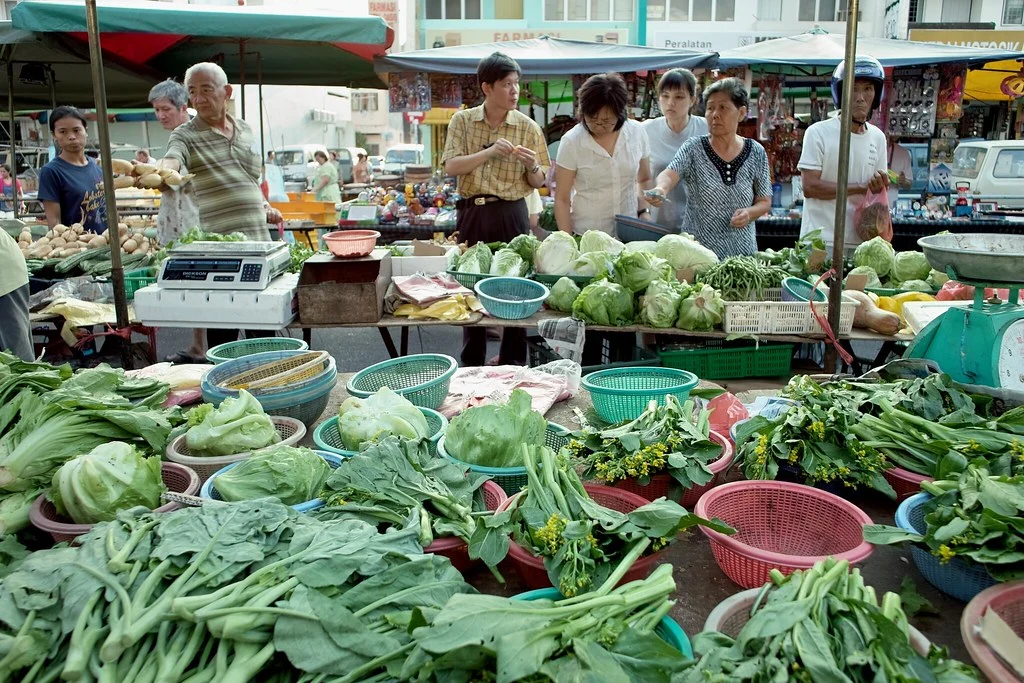
Community voices also raised concerns about how higher food costs might impact charitable activities. During Thaipusam, for example, many temples and volunteer groups prepare free vegetarian meals (annandhanam) for devotees and visitors. Increased cost of ingredients could mean higher expenses for these community services.
Government Response: Price Situation Stable, Not Spiking
In response to the growing concerns, the Ministry of Domestic Trade and Cost of Living (KPDN) in Penang stepped forward to clarify the situation.
Officials from KPDN said their ongoing monitoring of prices across markets, supermarkets and hypermarkets showed that the overall price levels of essential food items remain relatively stable. According to the ministry, while some products may have seen slight price changes, most items do not reflect the sharp spikes reported in some reports.
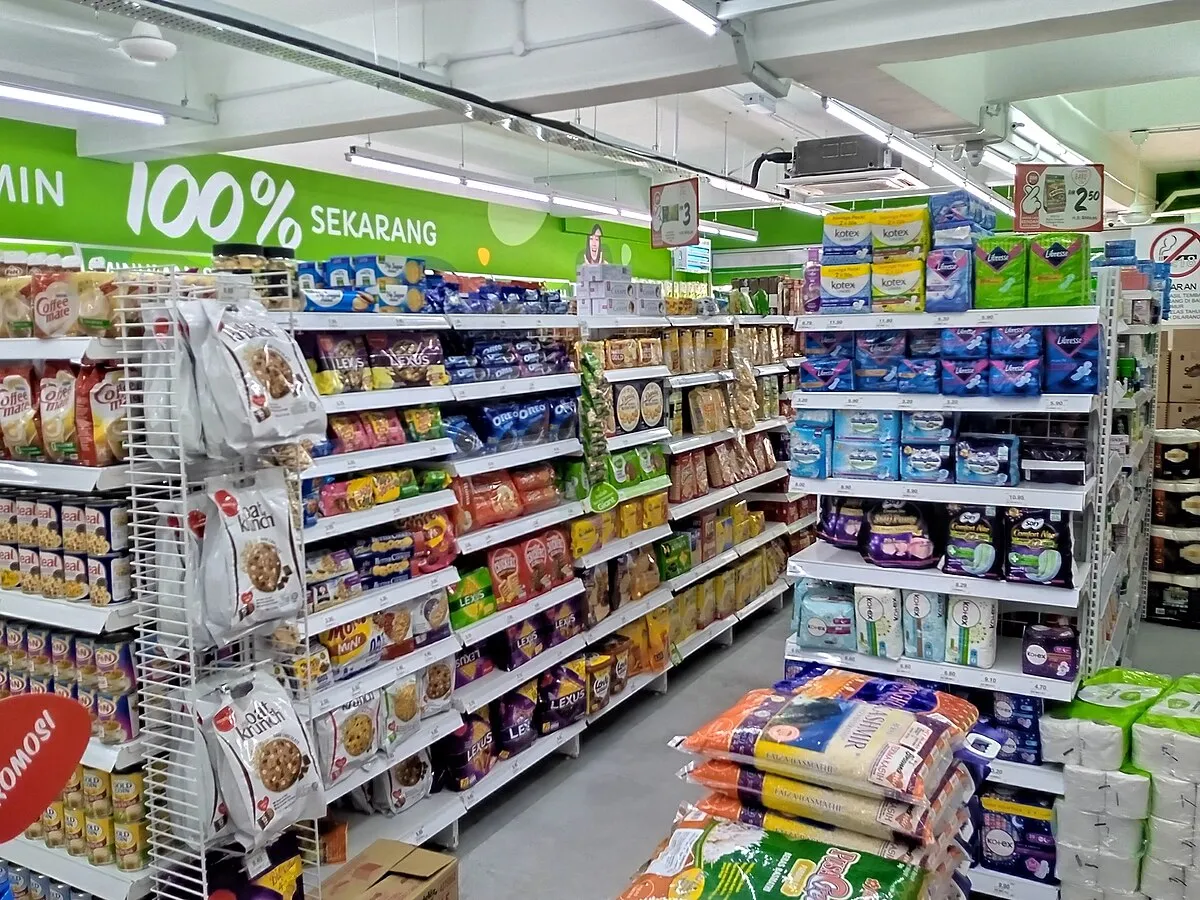
The ministry emphasised that regular inspections are being carried out to make sure businesses comply with pricing laws and do not take advantage of consumers by unfairly hiking prices. Some commodities have seen price decreases, according to the KPDN’s data.
KPDN also urged consumers to be aware of how prices can vary between different vendors and markets. They encouraged shoppers to compare prices and report any suspicious or illegal pricing behaviour to the authorities.
Understanding Both Sides
The differing perspectives, public concern versus official reassurances, reflect a broader challenge in economic reporting and consumer perception.
For shoppers, especially those on tight budgets or preparing for celebrations that involve elaborate meals and offerings, even small price increases can feel significant. Fresh produce prices also tend to fluctuate due to seasonal supply, weather conditions and transportation costs.
On the other hand, official price monitoring data often looks at averages across many locations, and products which may paint a less alarming picture than individual experiences at specific markets.
Why This Matters
Food prices are an everyday concern for Malaysians, and discussions about inflammation come into sharper focus during festive seasons. These periods usually involve more cooking at home and larger family meals, so price changes can directly influence household budgets.
By understanding both the public’s concerns and the government’s response, consumers can make better-informed decisions and engage more constructively in discussions about cost of living issues.
As the festivities approach, authorities say they will continue to monitor prices closely, and consumers are encouraged to stay informed and reach out to official channels if they notice unusually high prices.
Sources: Bernama, FMT, Bernama
Follow us on Instagram, Facebook or Telegram for more updates and breaking news.