
Starting with the 2027 school year, students with special needs in Malaysia’s national schools will, for the first time, be able to formally study Chinese and Tamil under the new Kurikulum Persekolahan 2027. The move marks a significant step toward more inclusive and culturally responsive education for students with special learning needs.
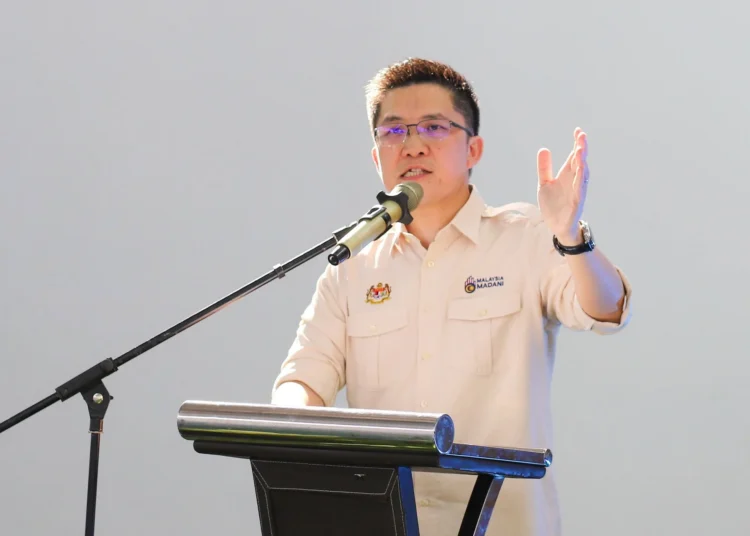
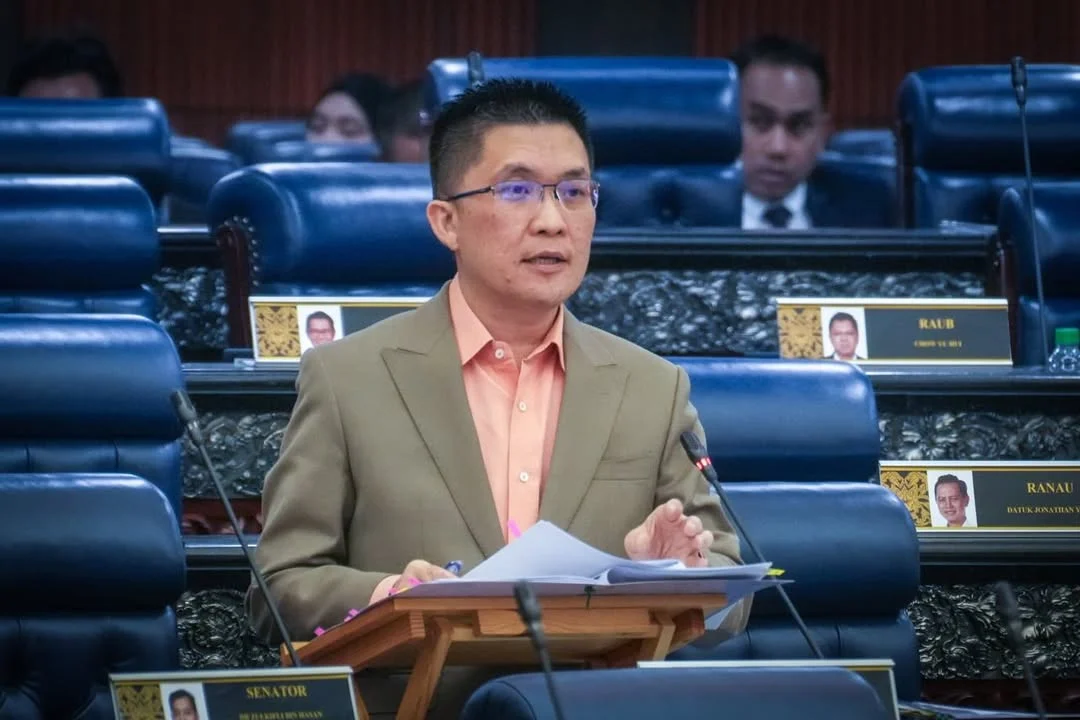
The Deputy Education Minister YB Wong Kah Woh announced the initiative in the Dewan Rakyat, saying this is aimed at strengthening mother-language skills among the special needs pupils, known locally as Murid Berkeperluan Pendidikan Khas (MBPK), who are enrolled in the Special Education Integrated Programme (PPKI).
Now present, special needs pupils in both national schools (SK) and national-type schools (SJK) follows the Standard Curriculum for Primary Schools and the Standard Curriculum for Special Education, similar to other students. While some schools have incorporated limited mother-language elements in classroom activities, YB Wong have noted that these efforts have not been formally structured or standardised. The introduction of Chinese and Tamil as recognised subjects under the new curriculum will formalise and strengthen language learning for these pupils from 2027 onward.
In addition to mother-language subjects, YB Wong said the Ministry of Education Malaysia will introduce 3 new specialised subjects under the Kurikulum Persekolahan 2027. These are individual Foundational Education for visually impaired students, Malaysian Sign Language, and Life Management. Each and one subject is designed to address specific learning and life-skill needs among students with disabilities.
To ensure accessibility and flexibility, curriculum documents for all new subjects will be published in 3 language versions. Schools will be able to select the version that best aligns with their primary medium of instruction. The curriculum changes form part of the ministry’s broader efforts to ensure that students with special needs are not left out of national education reforms. By tailoring subjects to both language background and learning requirements, the initiative reflects a more inclusive approach that recognises diversity while promoting equitable access to quality education for all learners.
Sources: The Capital Post
Follow us on Instagram, Facebook or Telegram for more updates and breaking news.