
All the students in Malaysia will soon have the opportunity to learn the Malaysian Sign Language (BIM) in schools as part of the upcoming 2027 School Curriculum (KP2027), a move aimed at strengthening inclusive education and to raise awareness about persons with disabilities (PwDs).
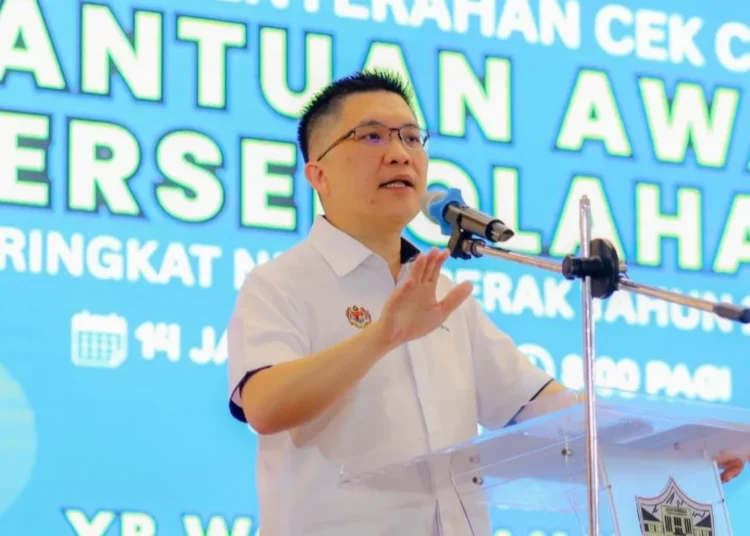
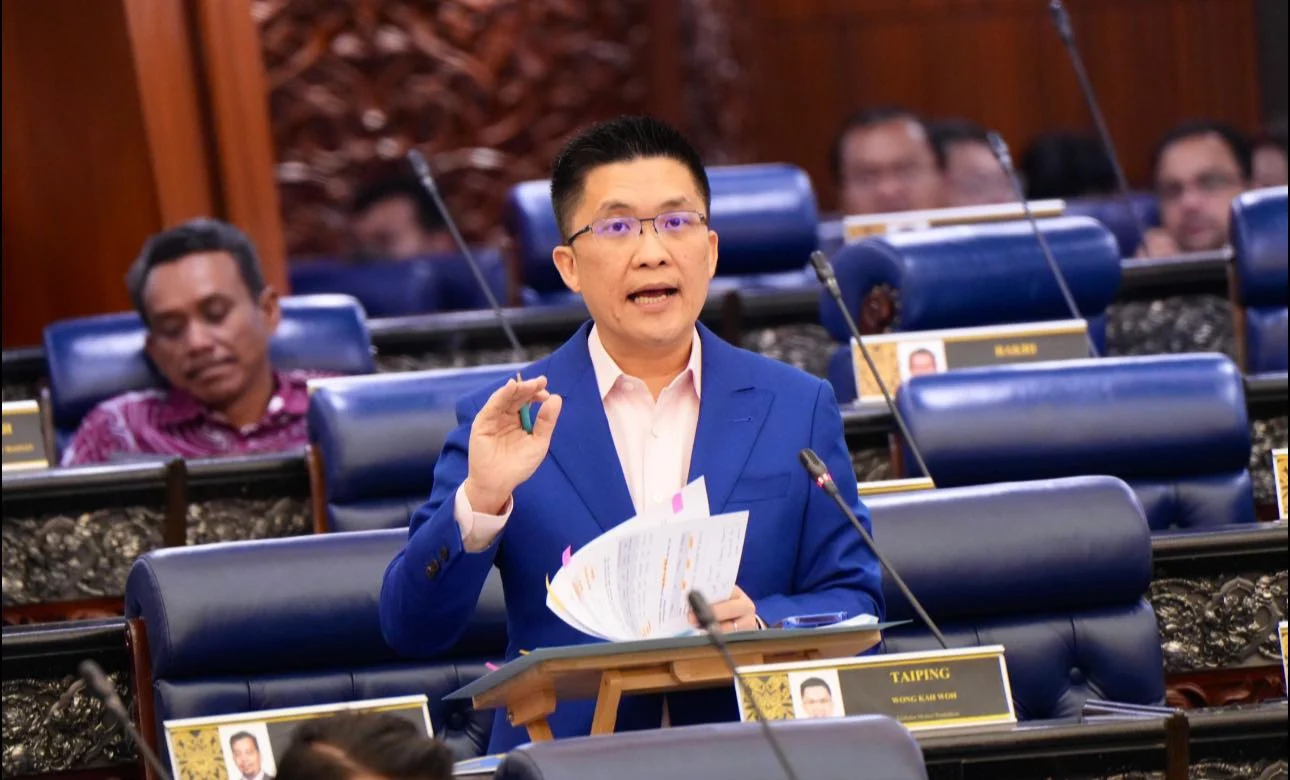
YB Wong Kah Woh, the Deputy Education Minister said the initiative would allow mainstream students to learn BIM as an additional language, particularly in schools that run the Integrated Special Education Programme (PPKI). This enables students with disabilities and mainstream students to learn together, encouraging interaction both inside and outside the classroom.
According to him, the effort builds on initiatives introduced by the Ministry of Education Malaysia since 2011. This includes the Communicative Sign Language subject and the Basic Education for Individuals with Visual Impairment programme in primary schools under the Primary School Standard Curriculum for Special Education (KSSRPK). YB Wong Kah Woh has also said the participation from mainstream students would help to foster a better understanding towards persons with disabilities while promoting a more inclusive school culture from an early age.
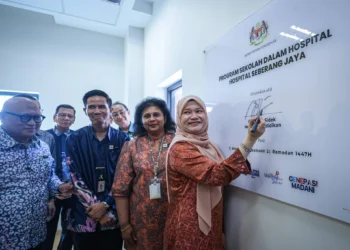
Meanwhile, Nancy Shukri, the Ministry of Women Family and Community Development Malaysia (KPWKM), has highlighted the broader efforts of the government to support children with disabilities, especially those from low-income families.
As the government puts in efforts to support children’s with disabilities, there are 5 key priorities they focus on, Welfare Assistance, Financial Support, Inclusive and Special Education, Rehabilitation and Early Intervention, Skills Training and Employability, and Policy and Legal Protection. Along with it, there are several assistance schemes are already available, including the Children’s Financial Aid, Federal General Assistance, Foster Child Assistance, and Prosthetic or Supportive Device Assistance. Monthly aid is also provided through the Assistance for Disabled Persons Unable to Work.
The Ministry also promotes early intervention through programmes such as the Community-Based Rehabilitation Programme (PDK), which provides basic skills training, social activities and a monthly allowance for trainees.
Together, all this initiatives are guided by the Persons with Disabilities Act 2008 and the National Policy for Persons with Disabilities, ensuring that the individuals with disabilities has an access to education, employment opportunities and welfare protection while promoting a greater social inclusion across Malaysia.
Sources: NST
Follow us on Instagram, Facebook or Telegram for more updates and breaking news.