




As the sacred month of Aadi in the Tamil calendar comes to an end, it is a good time to pause and reflect on the many lessons the month has brought into our lives.
For many devotees, Aadi is a spiritually significant month dedicated to Amman, filled with prayers, temple visits, special poojas and various forms of venduthal (vows). Some choose to remain vegetarian throughout the month, while others fulfil their vows through practices such as carrying paal kudam, taking kaavadi or participating in theemithi (fire-walking).
While these practices are deeply rooted in faith and devotion, Aadi is also a month that encourages us to look within ourselves. Beyond the rituals and celebrations, each practice carries a deeper lesson about discipline, commitment, endurance, and the ability to control our desires.
Being Vegetarian: A Test of Discipline
For some devotees, observing a vegetarian diet throughout Aadi is considered an important part of their spiritual practice. While it may appear to be simply a change in eating habits, maintaining the discipline for an entire month can also become a personal test.

Food is closely connected to our daily routines and desires. Choosing to give up certain foods for a period of time requires commitment and self-control. It teaches us that discipline is not always about doing something difficult, but also about having the strength to say no to something we desire.
Through this practice, devotees may become more conscious of their choices, habits and cravings. It serves as a reminder that if we can learn to control our smaller desires, we can also develop greater control over other aspects of our lives.
Visiting Temples: Making Time for Spirituality
Aadi is also a month filled with significant and auspicious days such as Aadi Velli, Aadi Perukku, Aadi Pooram, and more. These occasions encourage many devotees to visit temples, participate in prayers, and spend time seeking the blessings of Amman.
In our increasingly busy lives, finding time for spirituality can sometimes become difficult. Work, studies, family responsibilities, and everyday commitments often leave little room for quiet reflection. However, Aadi reminds us to make that time.

Whether it is a short visit to the temple after work, attending a special prayer, or simply spending a few moments in silence, these practices give us an opportunity to slow down and reconnect with ourselves. Temple visits are therefore not only about seeking blessings, but can also provide a much-needed moment of peace and reflection.
Fulfilling Vows: Understanding Our Own Endurance
One of the most powerful aspects of Aadi is the way devotees fulfil their venduthal. Carrying paal kudam, taking kaavadi, and participating in theemithi require physical and mental strength. The journey may not always be easy. There can be moments of tiredness, discomfort, and doubt, yet devotees continue because of their faith and commitment to the vow they have made.
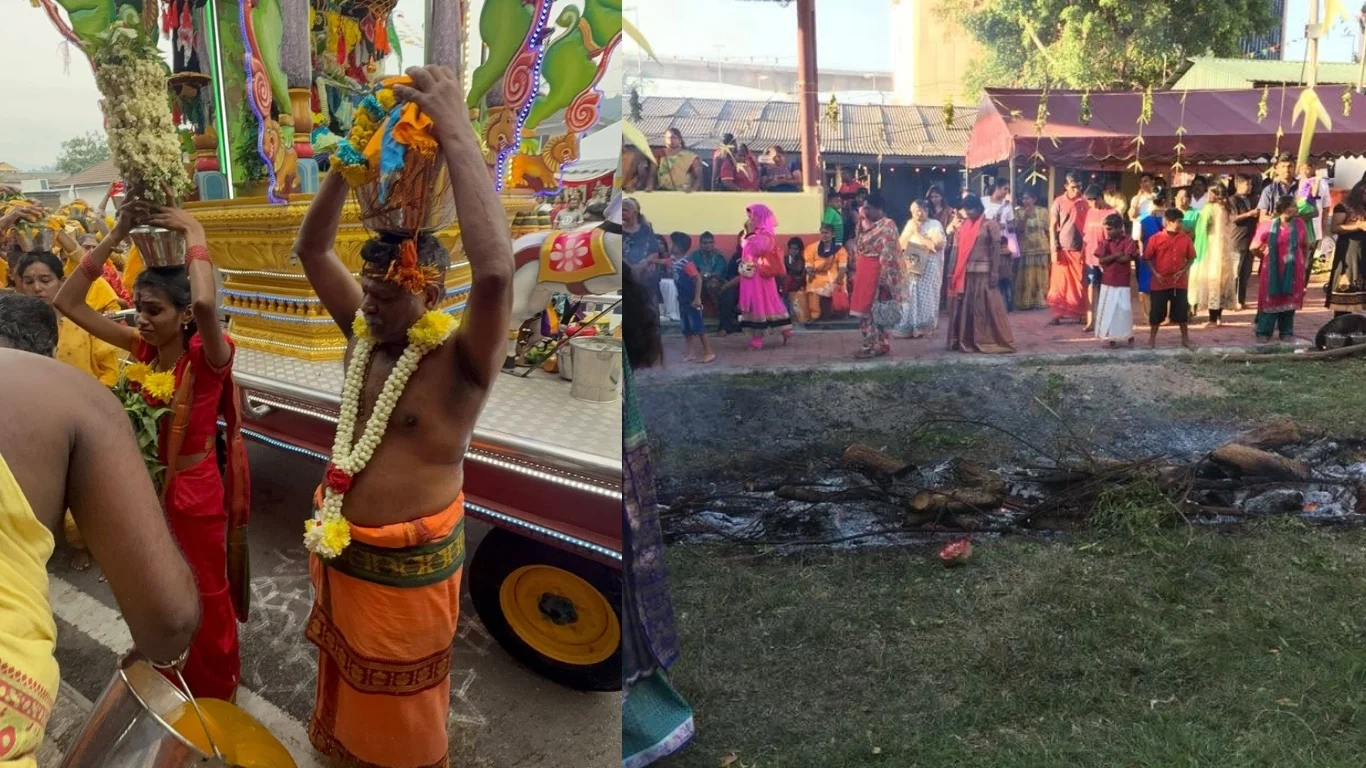
This reflects an important lesson about endurance. Sometimes, we only discover our own strength when we are challenged. The determination to complete a spiritual vow reminds us that perseverance can carry us through difficult moments.
At the same time, these practices reflect the unwavering faith devotees place in Amman. Their willingness to endure challenges in fulfilment of their vows shows how faith can provide strength, motivation, and courage.
Aadi Teaches Us to Control Our Desires
Perhaps one of the biggest lessons of Aadi is the importance of self-control.
From changing our eating habits to making time for prayer and fulfilling our vows, many practices during this month require us to put aside immediate wants and focus on something deeper. In a world where distractions constantly surround us, Aadi gives us an opportunity to step back. It reminds us that we do not always have to give in to every desire and that there is value in patience, restraint, and simplicity.

More Than a Month of Worship
As Aadi comes to an end, the lessons we have gained from the month do not have to end with it. The prayers, temple visits, vegetarian practices and venduthal may be part of our spiritual journey, but the values behind them can continue throughout the year. Discipline, patience, endurance, faith and self-control are lessons that can guide us in our everyday lives.
Every practice during Aadi carries its own meaning. More than simply completing a ritual, it gives us a chance to understand ourselves better and become more composed, disciplined and spiritually grounded.
Perhaps that is what makes Aadi so meaningful. It is not only a month dedicated to Amman, but also a month that encourages us to look within, reflect on our actions and become a better version of ourselves.