



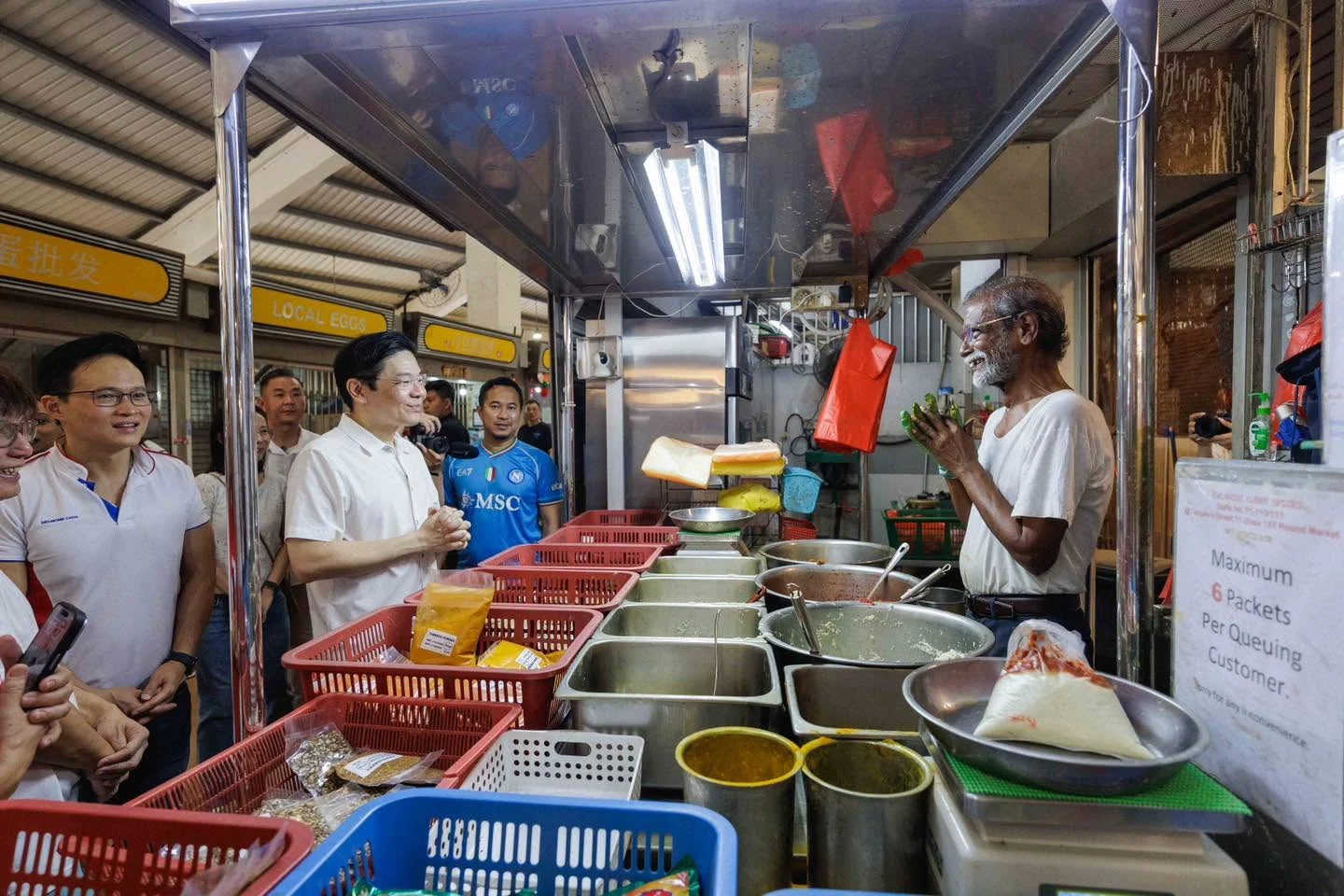
The traditional spice stall at Tampines Round Market and Food Centre in Singapore has served generations of customers since the 1970s becoming a familiar name for it’s curry pastes and spices.
After more than five decades of serving customers, Kalanidi Curry Spices has officially closed after the retirement of it’s second-generation owner, A.K. Kalanidi, also known by many as Uncle Kalanidi. The traditional Indian spice stall at Tampines Round Market and Food Centre served their final customers on 16th August 2026 (Sunday) bringing an end to 53 years of business.
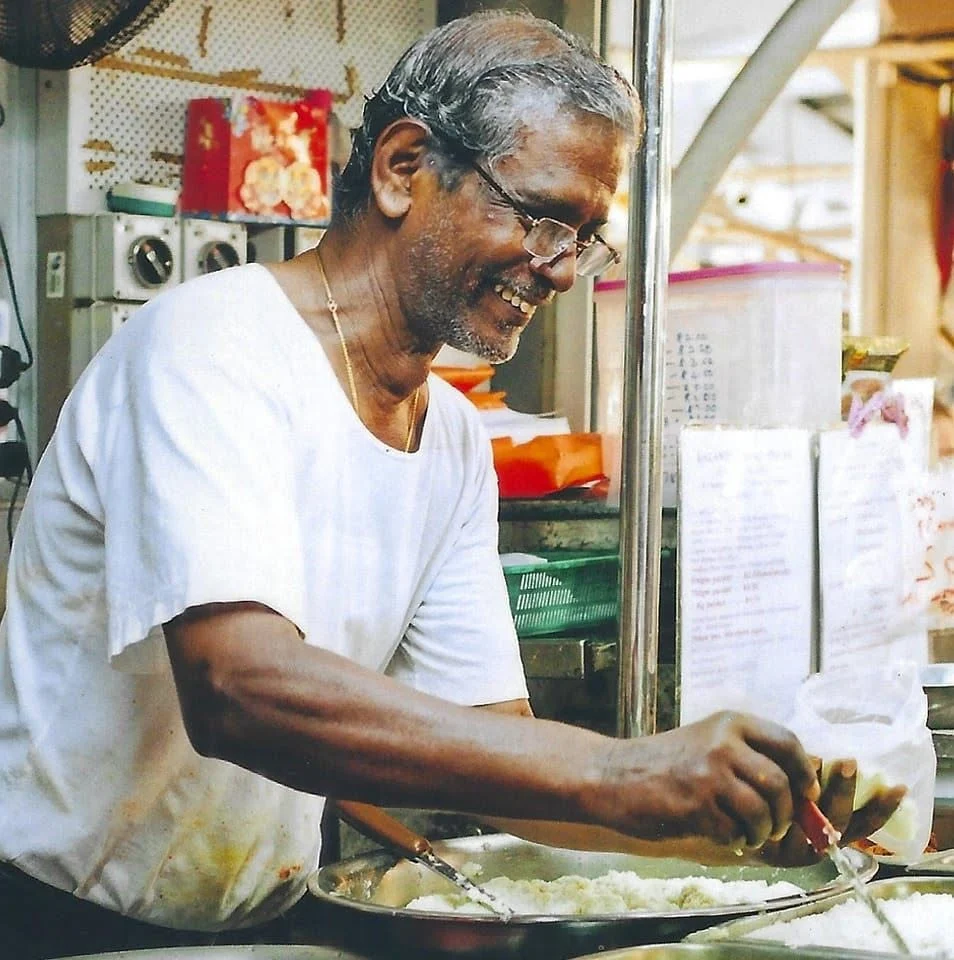
On the final day, the 75-year-old shared a photo of himself on Facebook, taken by his last customer. He thanked everyone who supported his business over the years and expressed his happiness and gratitude as he retires.
A Journey That Started in 1973
Uncle Kalanidi’s journey in the spice business started in 1973, when he took over his late father’s stall at a market in Geylang. Although he initially had no plans to continue the family business and had other job opportunities at the time, his father’s passing made him to give the spice trade a chance.
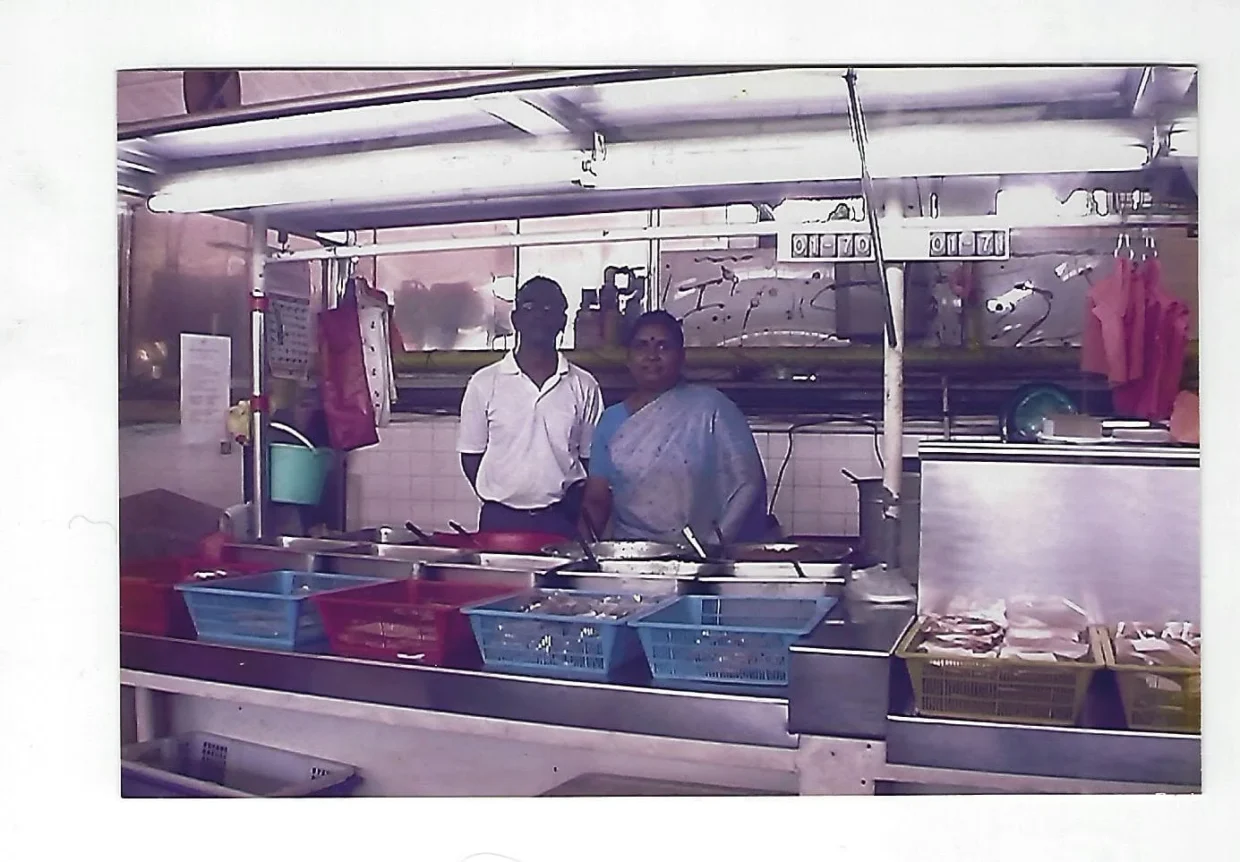
10 years later in 1983, he moved the business to Tampines Round Market and Food Centre. Kalanidi Curry Spices was one of the market’s earliest stallholders and stayed there for more than 4 decades until it’s closure.
Over the years, the stall became a familiar spot for customers looking for traditional species and curry pastes, with long queue often forming. Among the customers was Singapore Prime Minister Lawrence Wong, who visited the stall during a trip to the marte in April.
Customers Bid Farewell to Kalanidi Curry Spices
Following the closure, fellow spice business Jeya Spices paid tribute to Uncle Kalanidi, describing him as one of Singapore’s original spice masters and praised his legacy.
Long-time customers also filled the comments of his farewell post with messages wishing him a happy retirement with many saying they would miss his curry paste.
For customers who grew up with Kalanidi Curry Spices, the closure is more than the end of a stall. It closes a 53-year chapter of a family businesses that became part of Singapore’s food heritage.
Sources: Asia One