



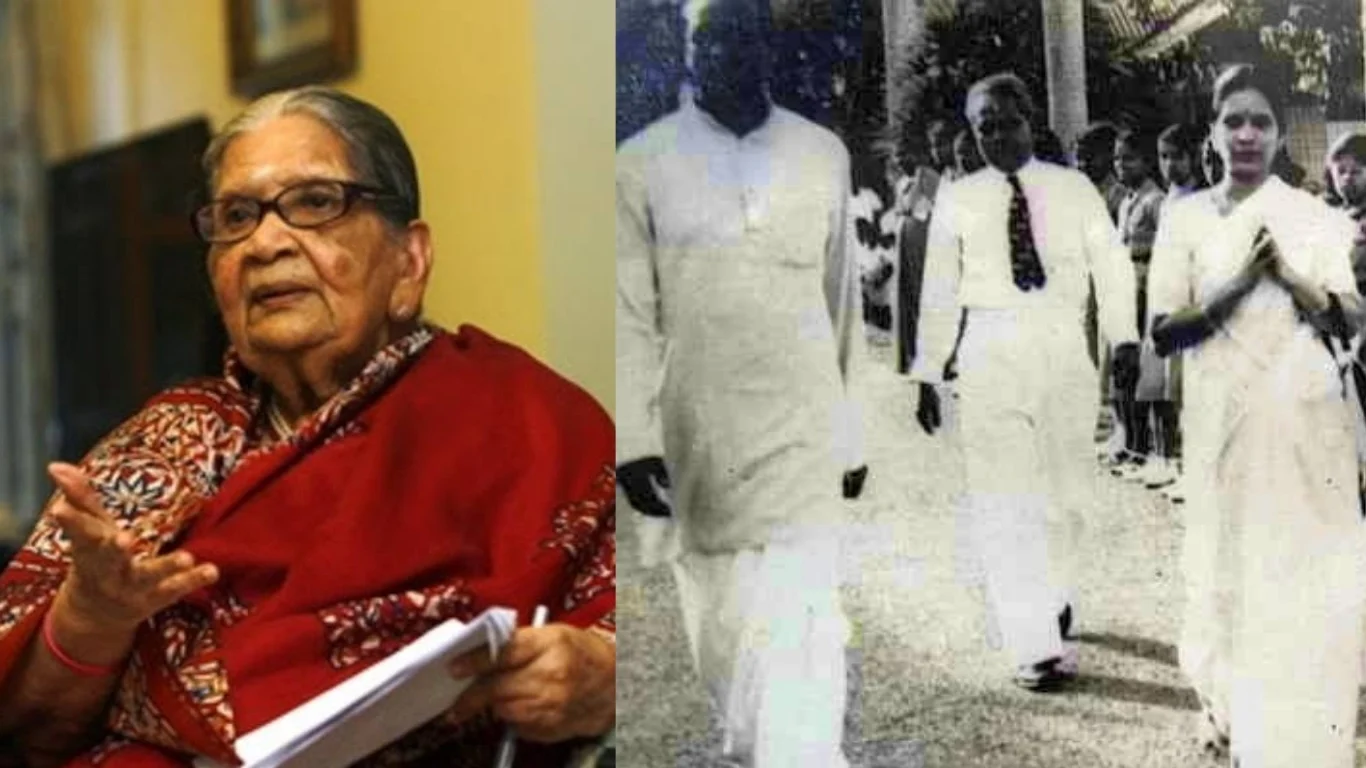
As Malaysia celebrates Independence Day, Merdeka is not only a time to celebrate the freedom and progress of the nation, but also an opportunity to remember the visionary individuals who worked tirelessly decades ago to shape the country we know today.
Among the remarkable figures who contributed to Malaysia’s journey was Toh Puan Umasundari Sambanthan, an educator, community leader and advocate for women whose dedication to empowering communities became part of the nation’s story.
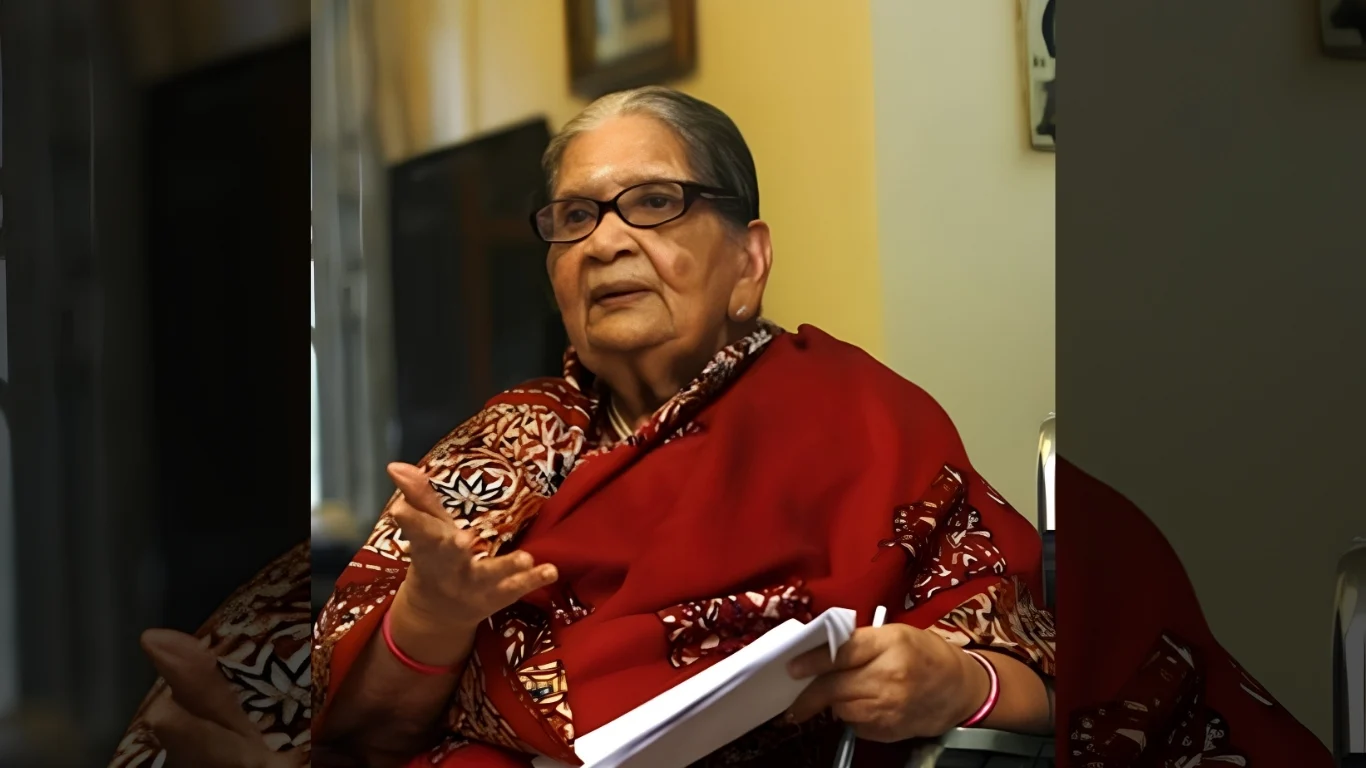
While she is often remembered alongside her husband, Tun V.T. Sambanthan, one of the nation’s founding fathers and a prominent leader of the Malaysian Indian Congress (MIC), her own contributions to women, children and rural communities deserve to be remembered.
Who Was Toh Puan Umasundari Sambanthan?
Born Umasundari Subramaniam on 8 September 1929 in Bruas, Perak, she demonstrated academic excellence from a young age. She studied at the Anglo-Chinese School in Sungai Siput and was awarded the Best Indian Student of the Year scholarship in 1942.
Her education was interrupted by the Japanese Occupation, but the setback did not stop her pursuit of knowledge. She later travelled to India to further her studies, graduating with First Class Honours in Chemistry from the University of Madras before continuing her master’s studies at Presidency College in Chennai.
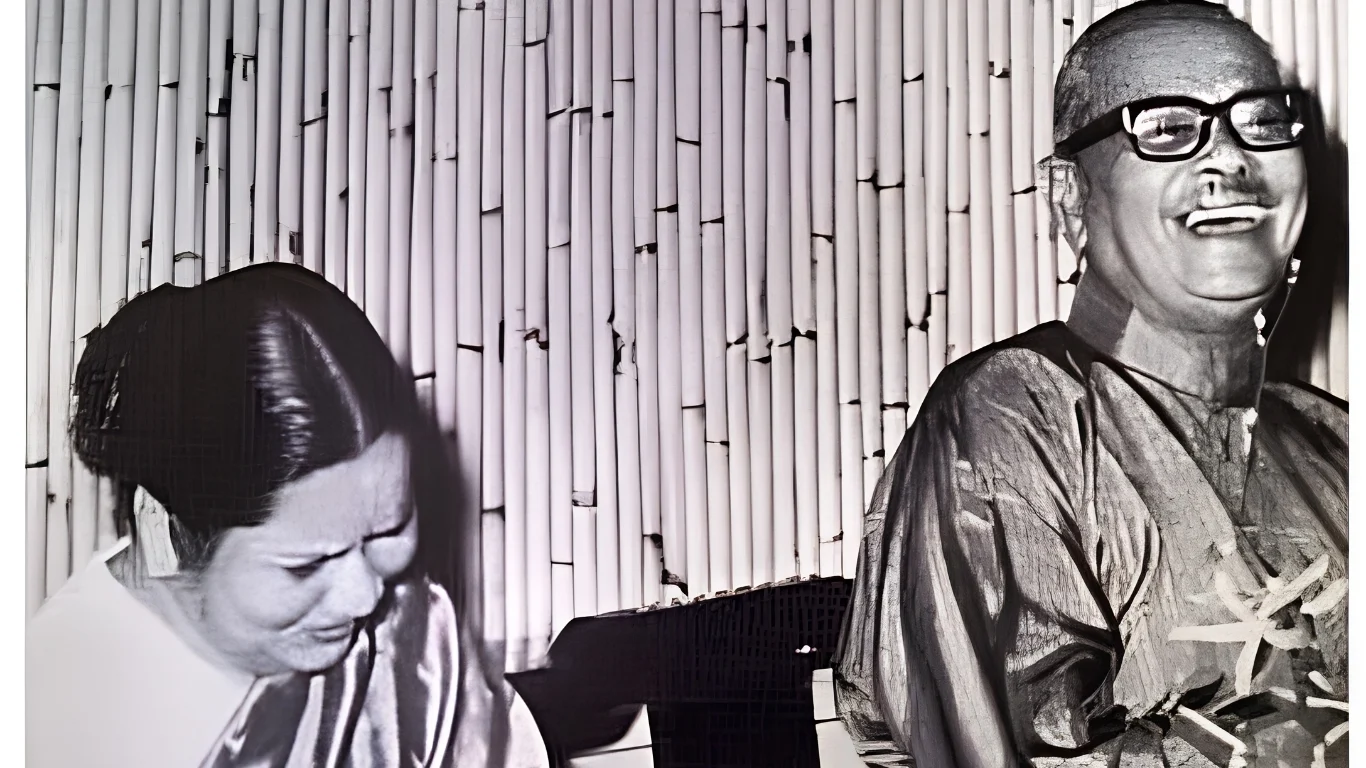
After completing her studies, Umasundari began her career as a teacher in Singapore, where she spent three years. She returned to Malaya in 1956, beginning a new chapter in her life that would see her become closely involved in community development and nation-building.
Empowering Women, Strengthening the Nation
Even before Malaya achieved independence, Umasundari was already actively working among rural Indian women. She encouraged women to register as citizens and understand the importance of taking part in shaping the future of the country.
Her work reflected a broader understanding of nation-building: that the progress of a country depended not only on political leaders, but also on empowering its people, particularly women who were often excluded from decision-making and civic participation.
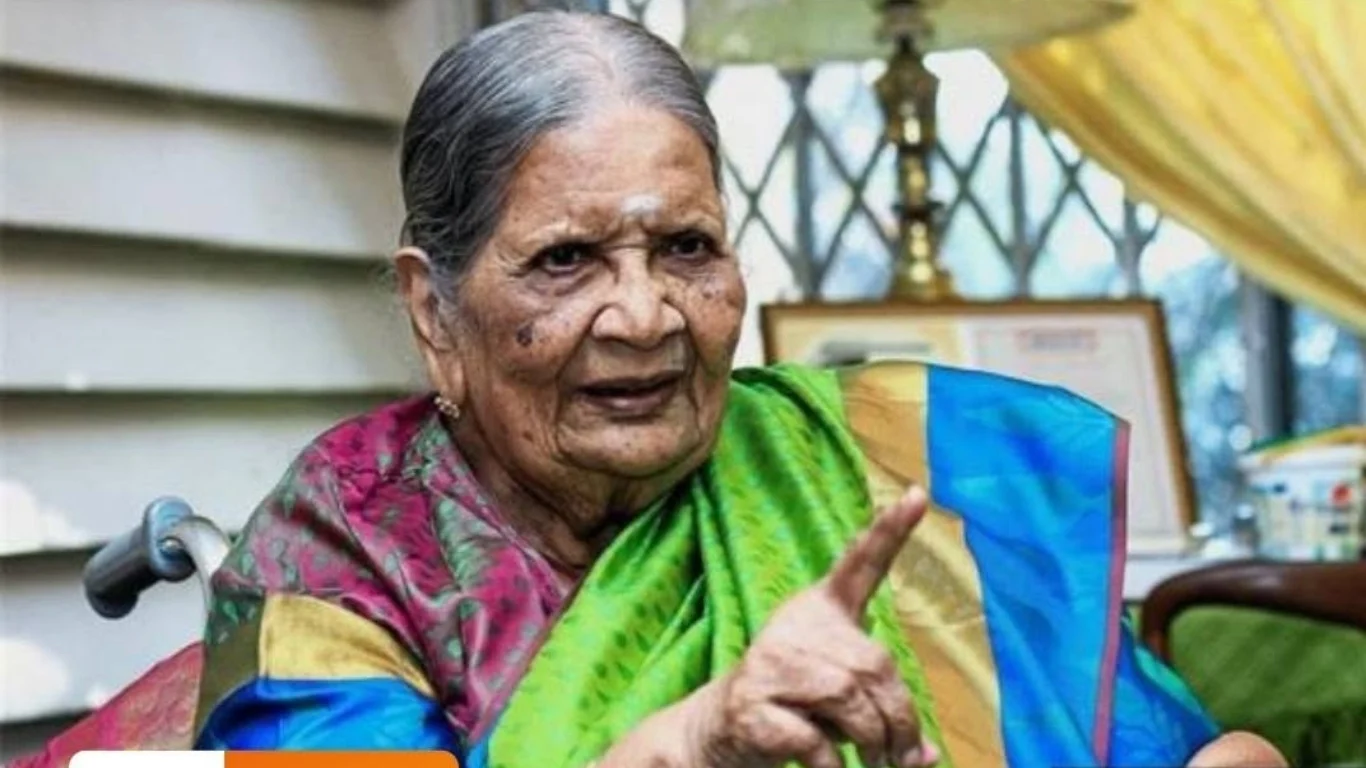
Following independence, she continued to dedicate herself to the welfare and advancement of women. She became a founder-life member and later president of the National Council of Women’s Organisations (NCWO), contributing to efforts to strengthen the position of women in society.
In 1960, she co-founded Persatuan Sri Ramakrishna Sarada and served as its General Secretary. She was also involved with the Associated Country Women of the World (ACWW), promoting the welfare and advancement of women beyond Malaysia.
Through these efforts, Umasundari’s work extended beyond individual empowerment. By encouraging women to participate in society, supporting their welfare and creating opportunities for communities, she contributed to a more inclusive and progressive nation.
Alongside Tun V.T. Sambanthan in the MIC
Umasundari’s life was also closely connected to the political journey of her husband, Tun V.T. Sambanthan, who played a significant role in Malaya’s path towards independence and served as president of the Malaysian Indian Congress.
The couple married in 1956, a year before Malaya gained independence. While Tun V.T. Sambanthan was deeply involved in the political movement and represented the interests of the Indian community, Umasundari was building her own path through education, women’s empowerment and community service.
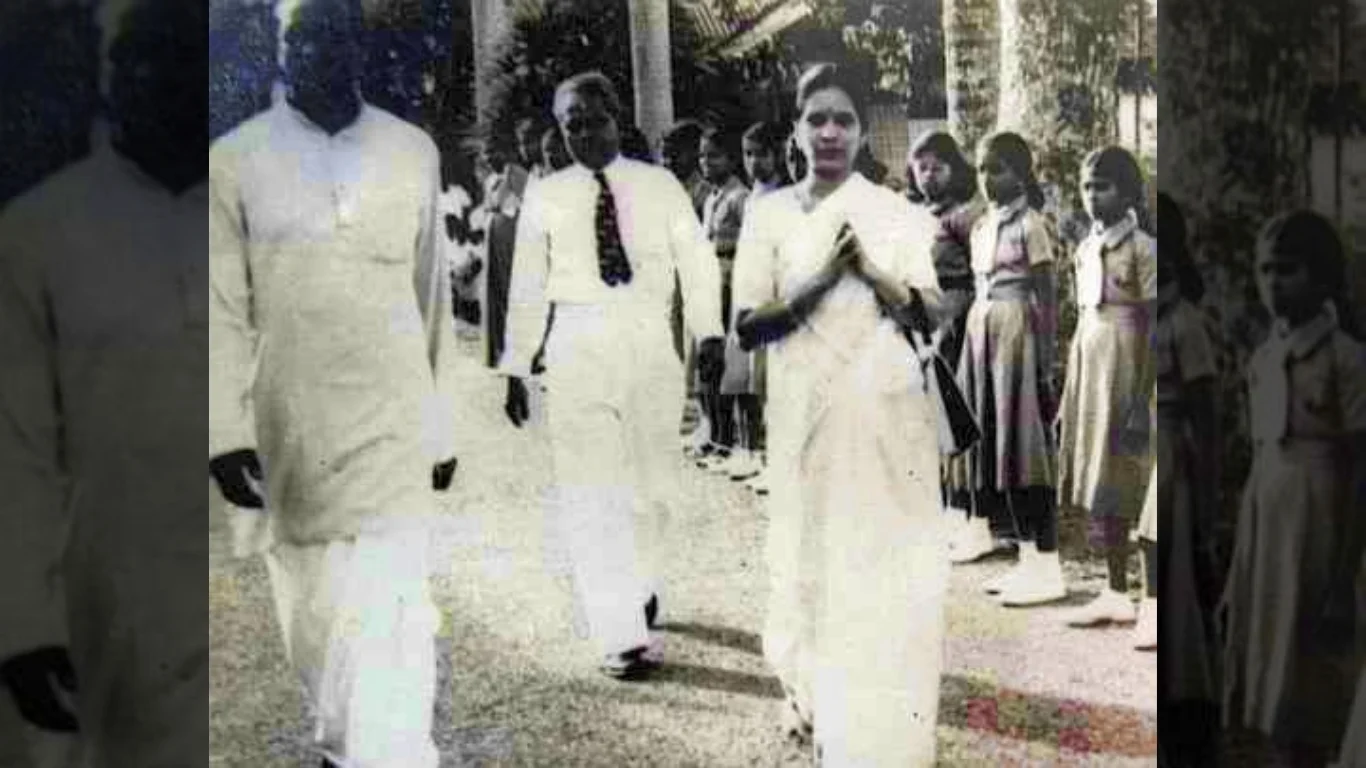
On 31 August 1957, she stood beside her husband behind Tunku Abdul Rahman during the historic proclamation of Malaya’s independence. At just 27 years old, she witnessed the birth of an independent nation, a moment that would remain one of the proudest moments of her life.
A Lifetime of Service and Recognition
Umasundari’s commitment to community development extended beyond women’s organisations. She became involved in the cooperative movement and served as Chairman, Director and later President of the National Land Finance Co-operative Society (NLFC).
Through her involvement, she worked towards strengthening opportunities for communities and creating a better future for generations to come. Her contributions were recognised in 1992 when she received the Tun Fatimah Gold Medal from the NCWO for her outstanding service and contribution to women and society.
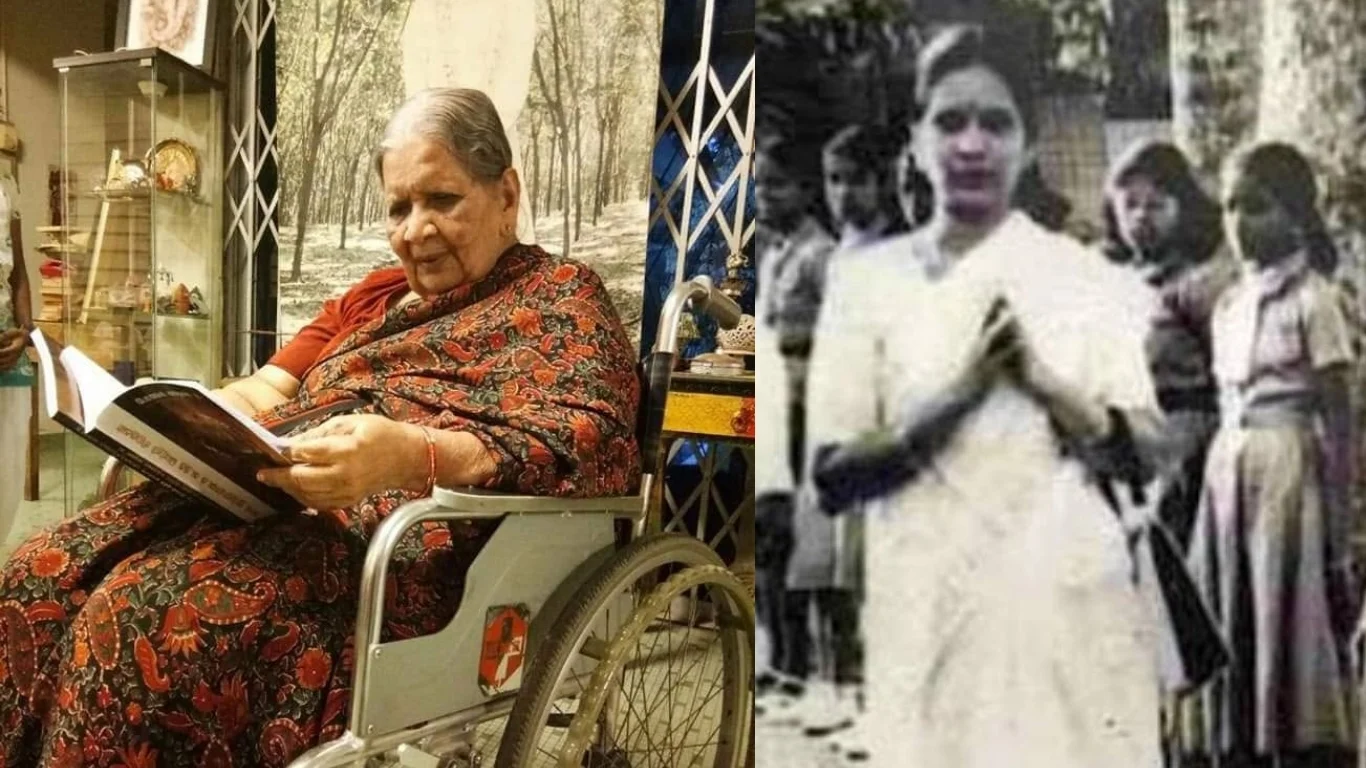
Even in her later years, she remained involved in charitable activities and early childhood development programmes, continuing her commitment to improving the lives of others.
A Legacy That Lives On
Toh Puan Umasundari Sambanthan passed away on 31 January 2020 at the age of 90. But her story did not end with her passing. Her contributions to women’s empowerment, community development, education and nation-building remain part of the legacy she left behind.
As Malaysia celebrates another Independence Day, her life reminds us that nation-building was never the work of a single person or a single generation. It was shaped by countless individuals who chose to serve, empower and uplift others.
Toh Puan Umasundari Sambanthan was one such woman. Her journey shows that empowering women is not only about creating opportunities for individuals, it is also about strengthening families, communities and, ultimately, the nation.
Her name may not always appear alongside the most familiar figures of Merdeka, but her legacy continues to remind us that every contribution matters, and that a nation becomes stronger when its people are given the opportunity to stand, participate and shape its future.
Source: Wikipedia, Jayaraman Munusamy Facebook