



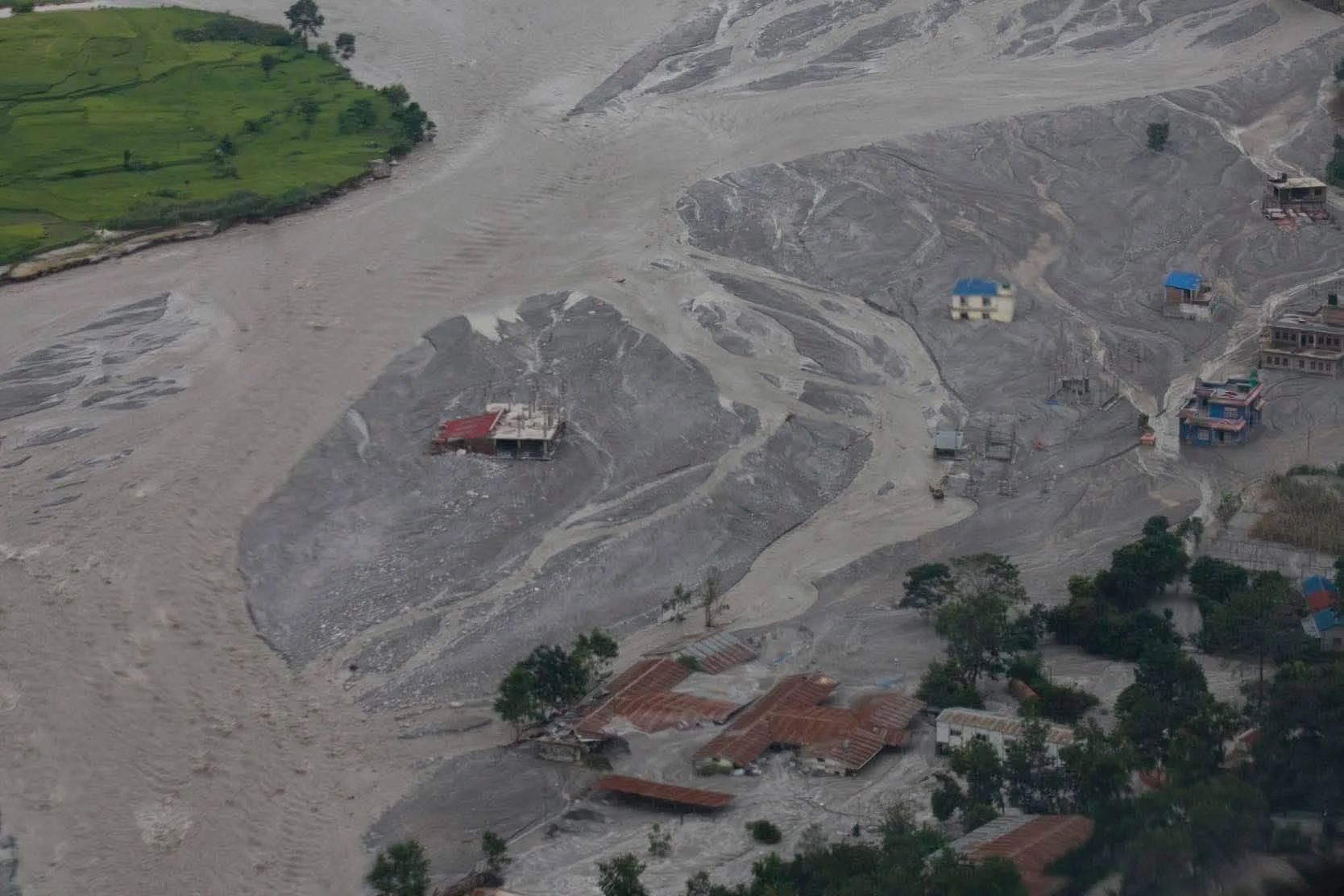
Nepal is facing one of its worst natural disasters in years after devastating floods and landslides tore through parts of the country’s mountainous northern region on August 26, 2026. The disaster sent huge volumes of water and debris through the Trishuli Valley, destroying roads, bridges, homes and hydropower facilities.
More than 1,300 people have been killed, while thousands remain missing as rescue teams continue searching through the destruction. With roads washed away and entire communities cut off, reaching survivors on the ground became almost impossible in some areas.
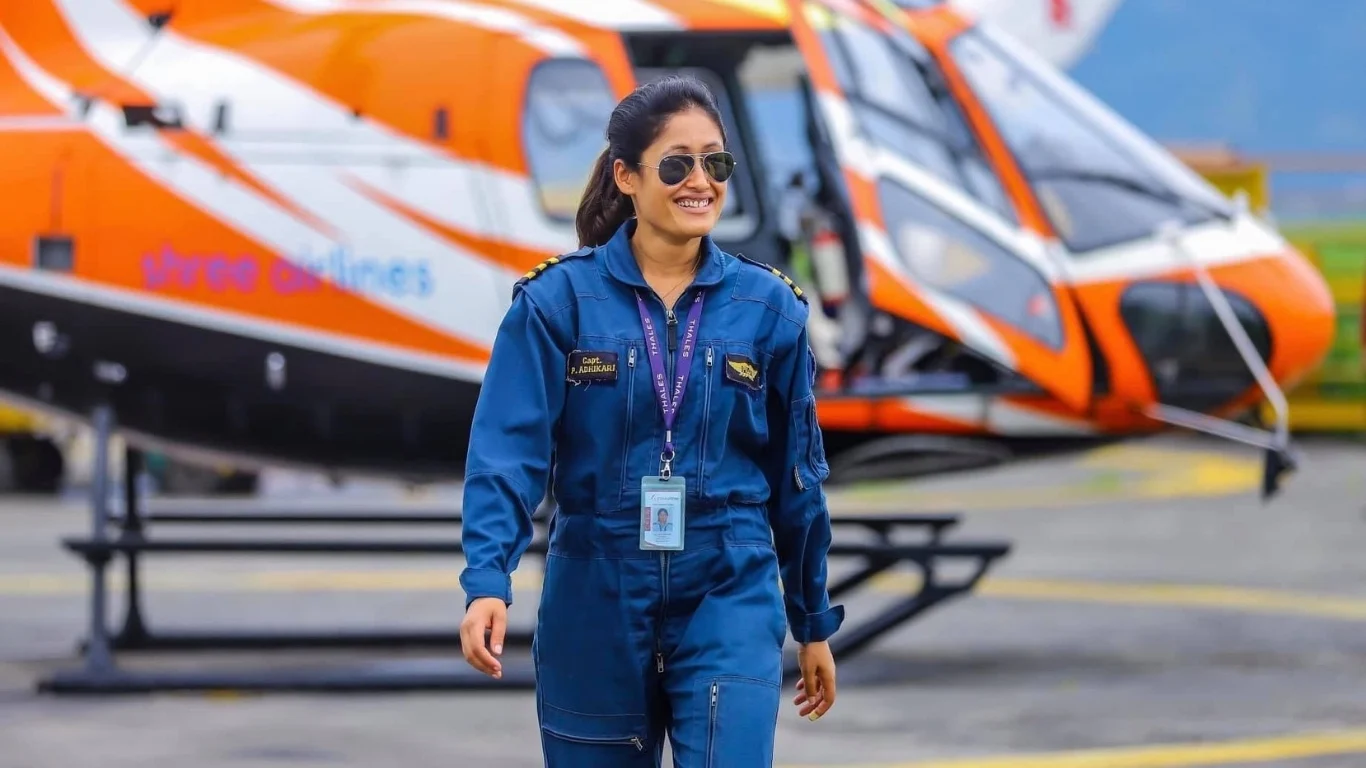
That was when the helicopters became a lifeline. Among the pilots flying into the disaster zone was Caption Priya Adhikari, Nepal’s first woman helicopter captain, who carried out nearly 100 rescue missions in just six days.
Who is Captain Priya Adhikari?
40-years-old, Priya Adhikari is an experienced high-altitude helicopter pilot whose career has taken her into some of the most challenging parts of the Himalayas. Her journey into aviation was not something she had originally planned. While studying environmental science, Priya Adhikari was also working as cabin crew for a domestic airline. Her interest in helicopters grew after she was invited to join a helicopter crew on a flight.
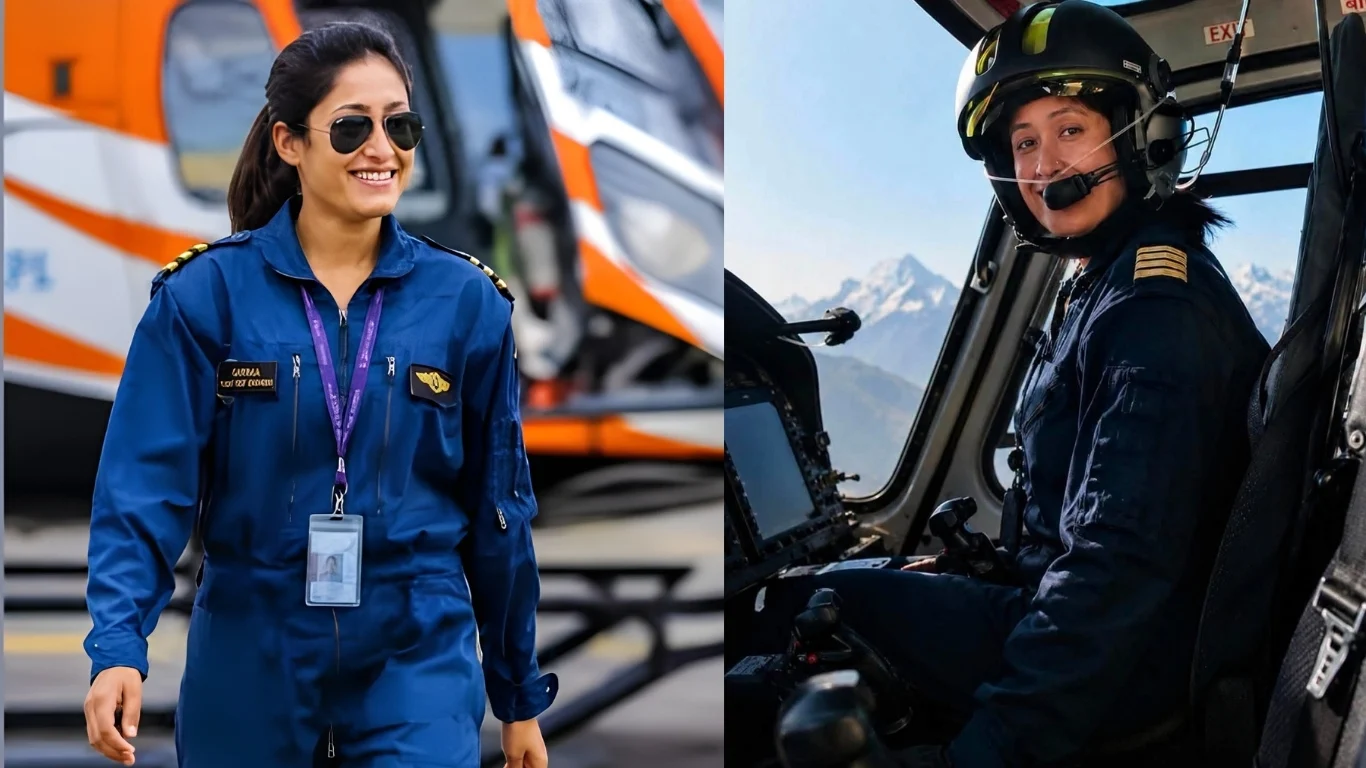
That experience eventually changed the direction of her career. She went to the Philippines for helicopter training and later became a full-time helicopter pilot. Over the years, she built experience in high-altitude flying and search-and-rescue missions across the Himalayan region. Her experience would prove crucial when disaster struck.
Nearly 100 Rescue Missions In Six Days
As floods and landslides devastated areas along the Nepal-Tibet border, Priya Adhikari and other pilots were repeatedly sent into some of the hardest-hit locations. One of the worst affected areas was Timure in Rasuwa district, where roads and bridges had been destroyed and thick mud covered large parts of the area.
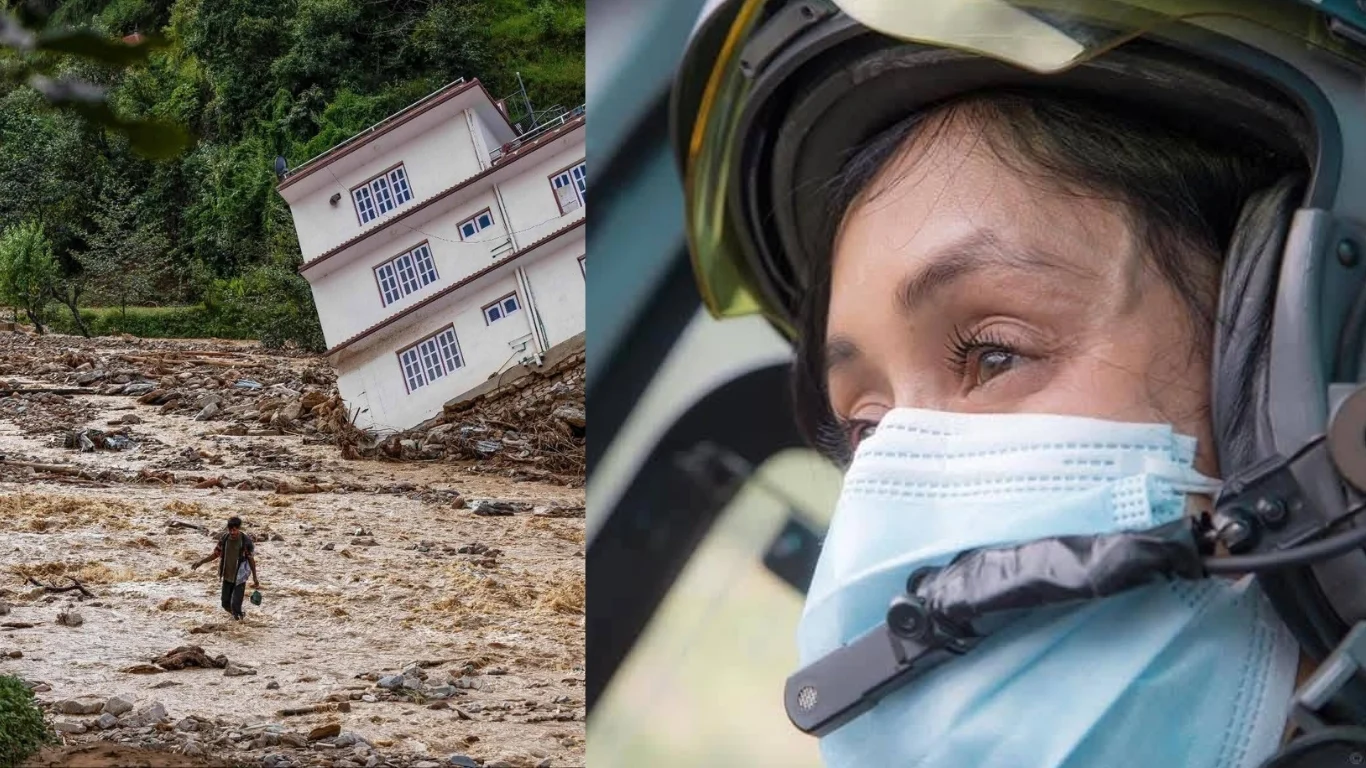
Around 20 helicopters were involved in the rescue effort, with several sometimes attempting to land in the same area at once. Pilots had to constantly communicate over the radio to coordinate their movements and avoid collisions. For Priya Adhikari, the danger did not end once the helicopter reached the ground.
The thick mud made landing extremely difficult, while unstable terrain meant pilots sometimes could not safely shut down their engines. Instead, they had to remain ready to take off again as they evacuated survivors.
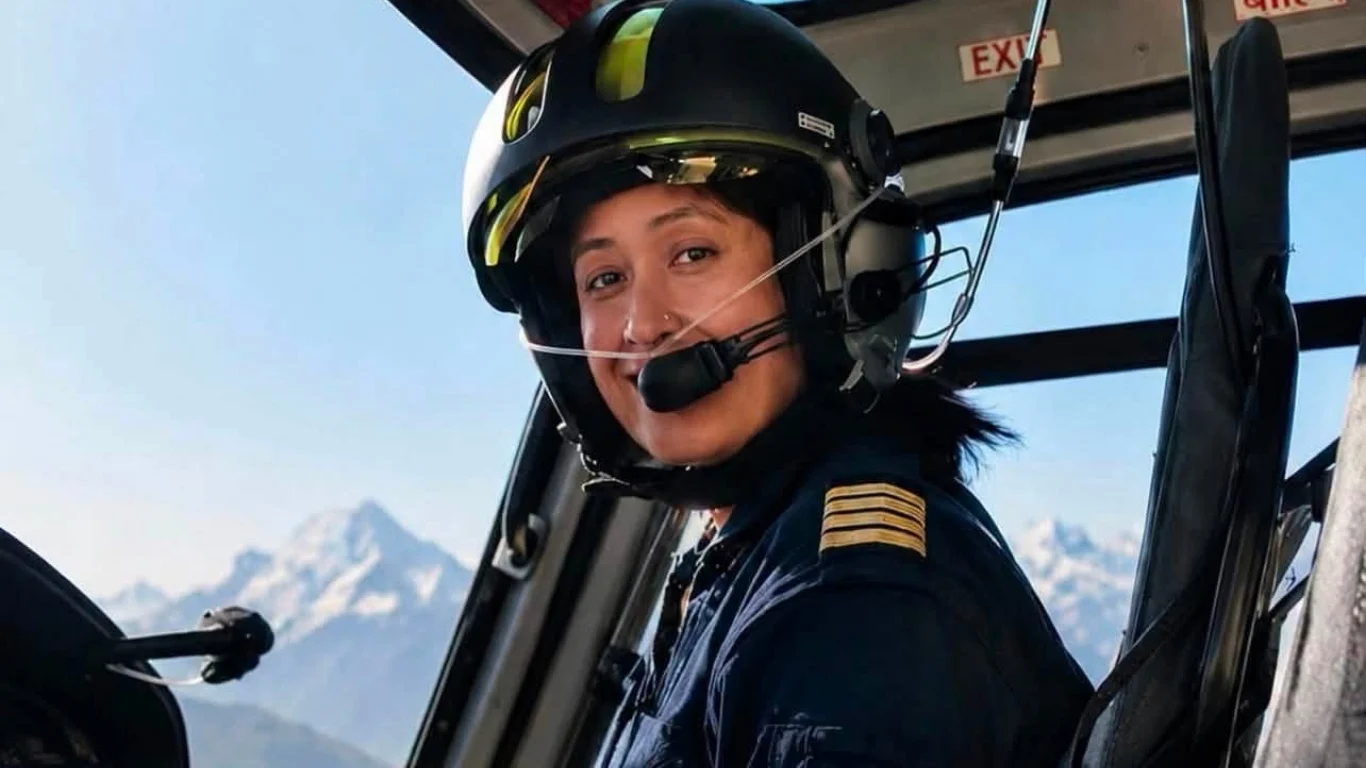
Despite the dangerous conditions and exhaustion from continuous flying, Priya Adhikari kept returning to the affected areas. In just six days, she completed around 100 rescue sorties, helping evacuate people trapped by the floods and landslides.
A Disaster Unlike Anything She Had Seen
Despite having years of high-altitude rescue experience, Priya Adhikari described the scale of the disaster as extraordinary.
Speaking about the operation, she said the situation was even more challenging than the 2015 Nepal earthquake because much of the destruction was concentrated within narrow Himalayan valleys, making access and helicopter operations particularly difficult.
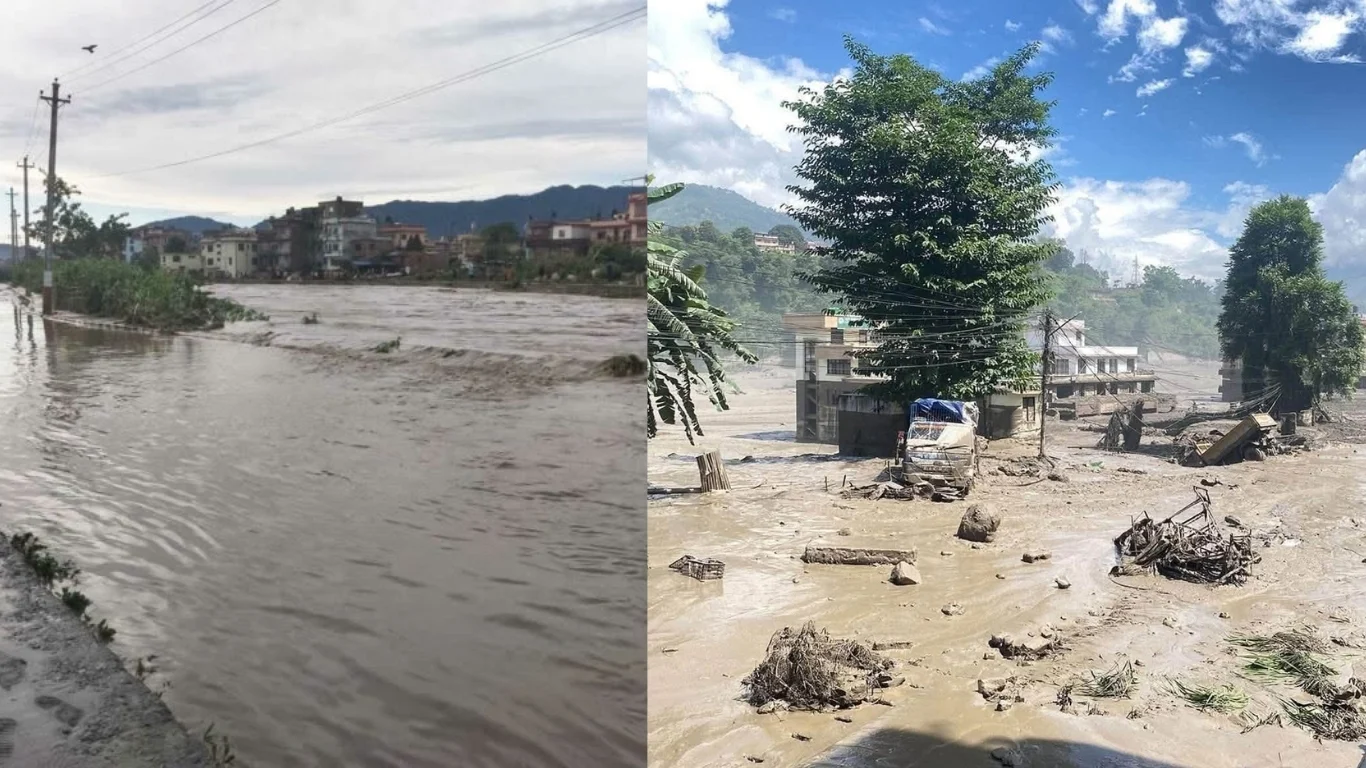
From the air, she witnessed the devastation left behind by the floods, destroyed infrastructure, landslides and communities cut off from the outside world. But for those waiting below, the sound of a helicopter offered something else: hope.
More Than Just a Rescue Mission
Priya Adhikari’s story has gained attention not only because of the number of missions she completed, but also because she has broken barriers in an industry traditionally dominated by men. Her role during the floods has now added another chapter to that story. For six exhausting days, she repeatedly flew into dangerous Himalayan terrain while others were trying to escape it.
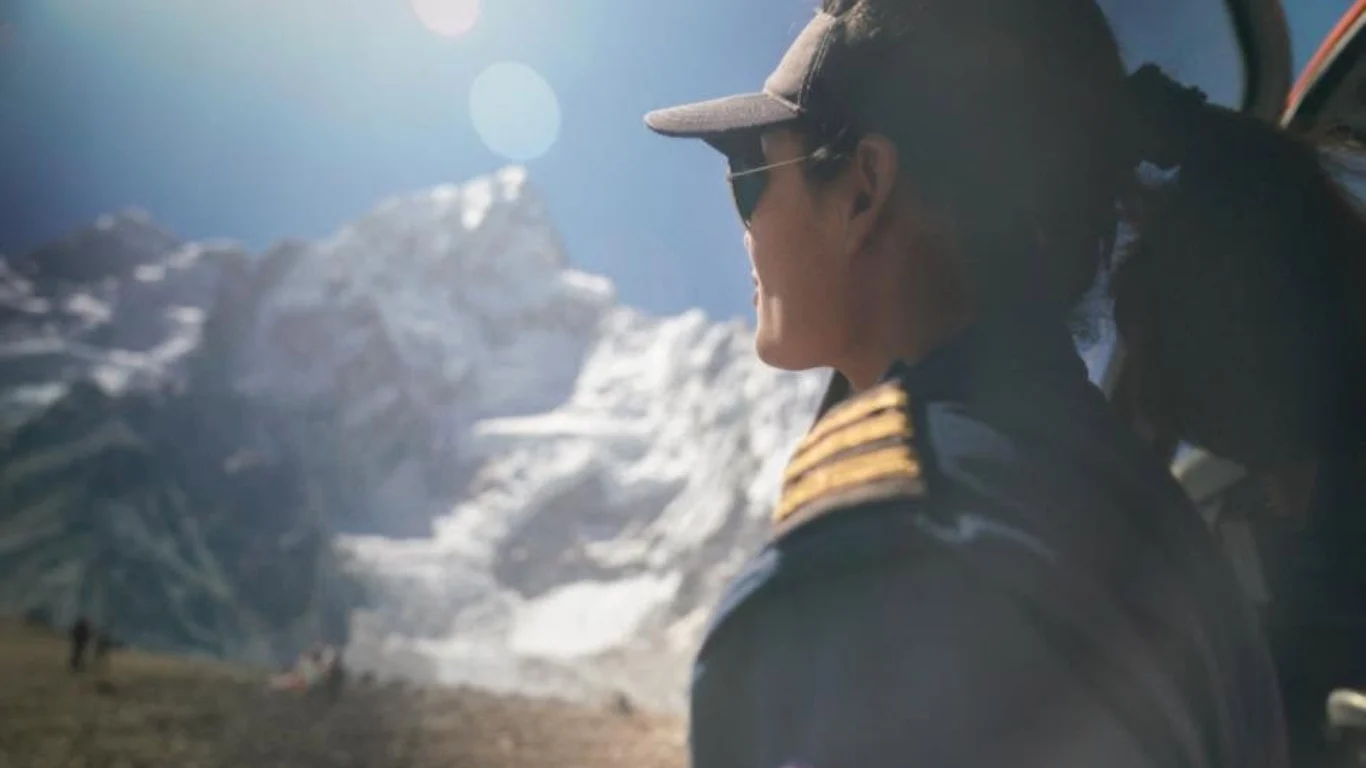
As Nepal continues its search for missing people and works to recover from the devastation, Captain Priya Adhikari’s story stands as a powerful reminder of the people who risk their own lives to bring others to safety. When the roads disappeared and the ground became impossible to cross, she kept flying, turning the skies into a lifeline for those waiting to be rescued.
Source: Times of India, The New Indian Express