



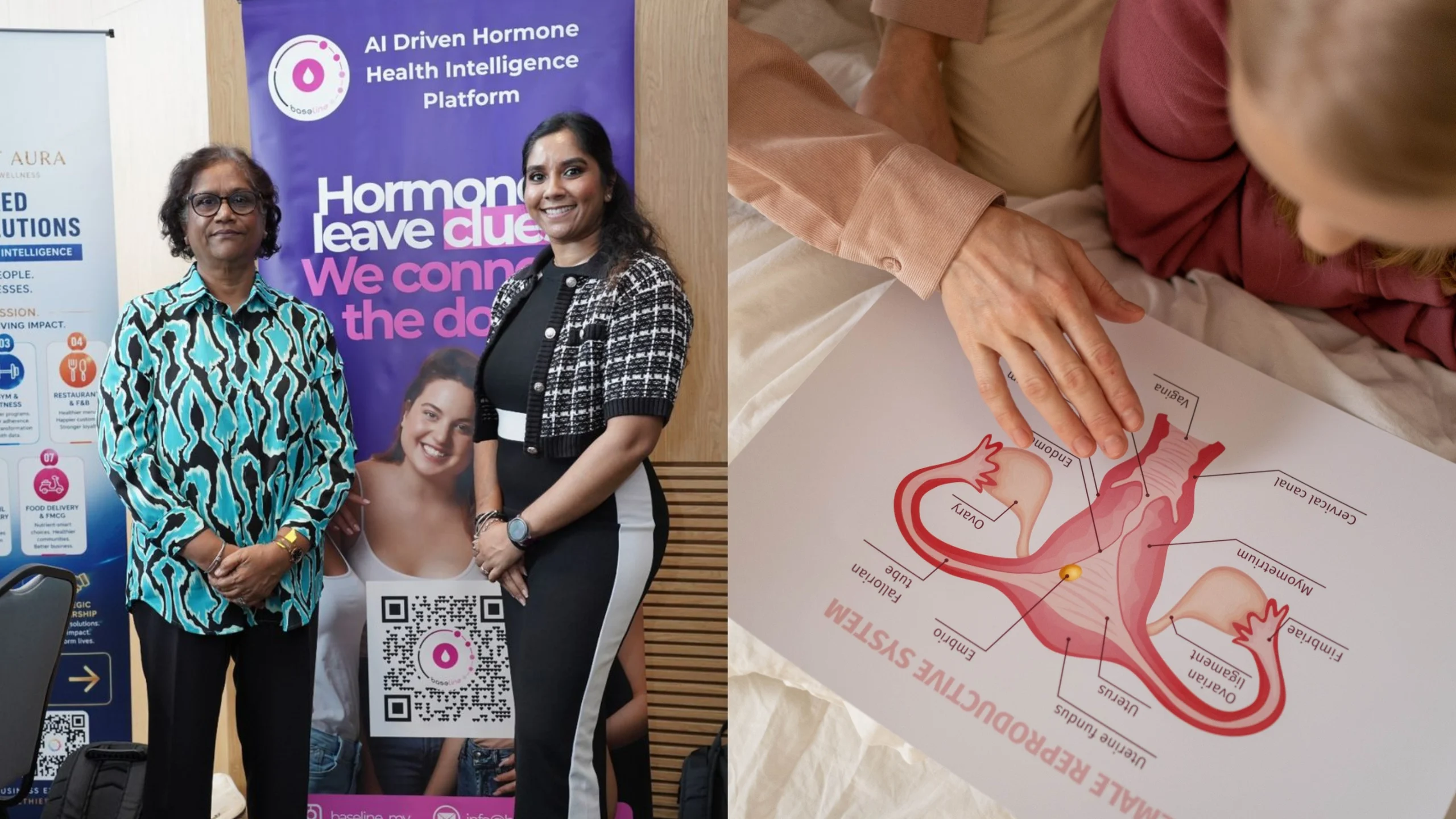
For many women, changes like irregular periods, constant tiredness, acne, weight changes or mood shifts can be easy to brush aside. Sometimes, they are accepted as stress, part of a busy lifestyle or simply something women are expected to deal with.
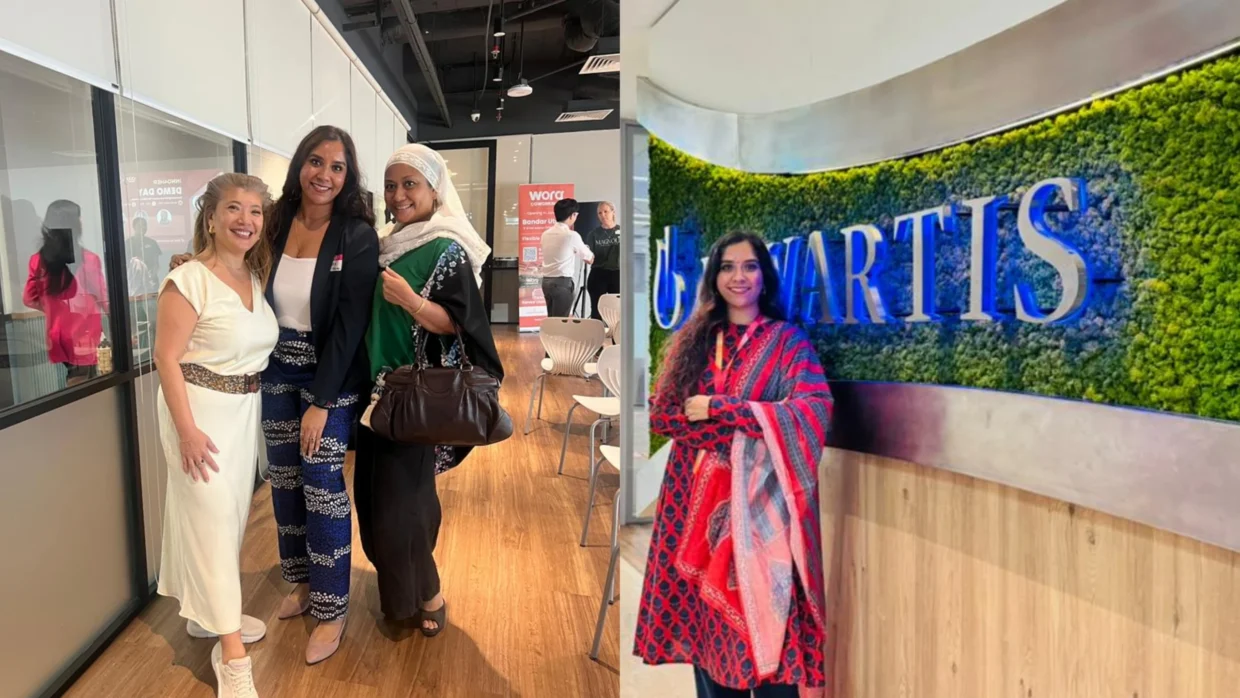
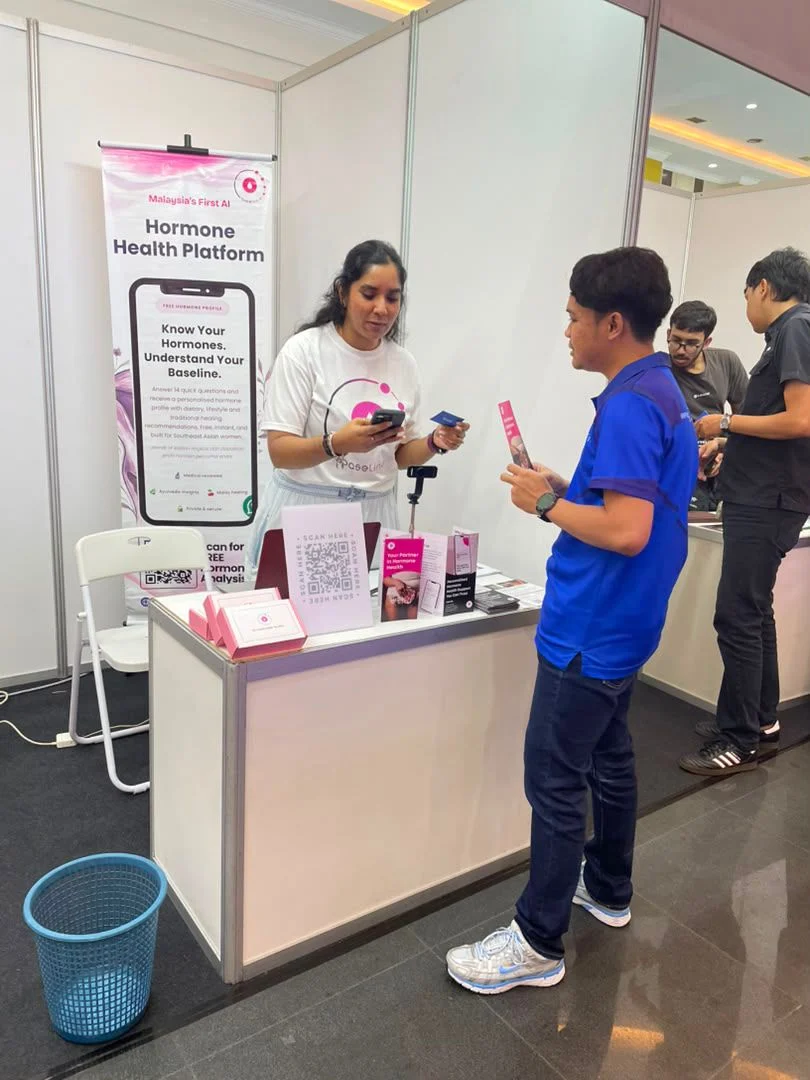
But Karen Michell Othaya Kumar believes women should pay closer attention when these changes continue or begin forming a pattern. A Registered Assistant Medical Officer and GCP-Certified Clinical Research Associate, Karen has spent 14 years working across the Ministry of Health Malaysia and multinational clinical trials. She is also currently pursuing her PhD at Monash University Malaysia. Her years in healthcare, along with her own experience with Polycystic Ovary Syndrome (PCOS), eventually led her to build Baseline, a hormone health platform designed to help women better understand changes in their bodies.
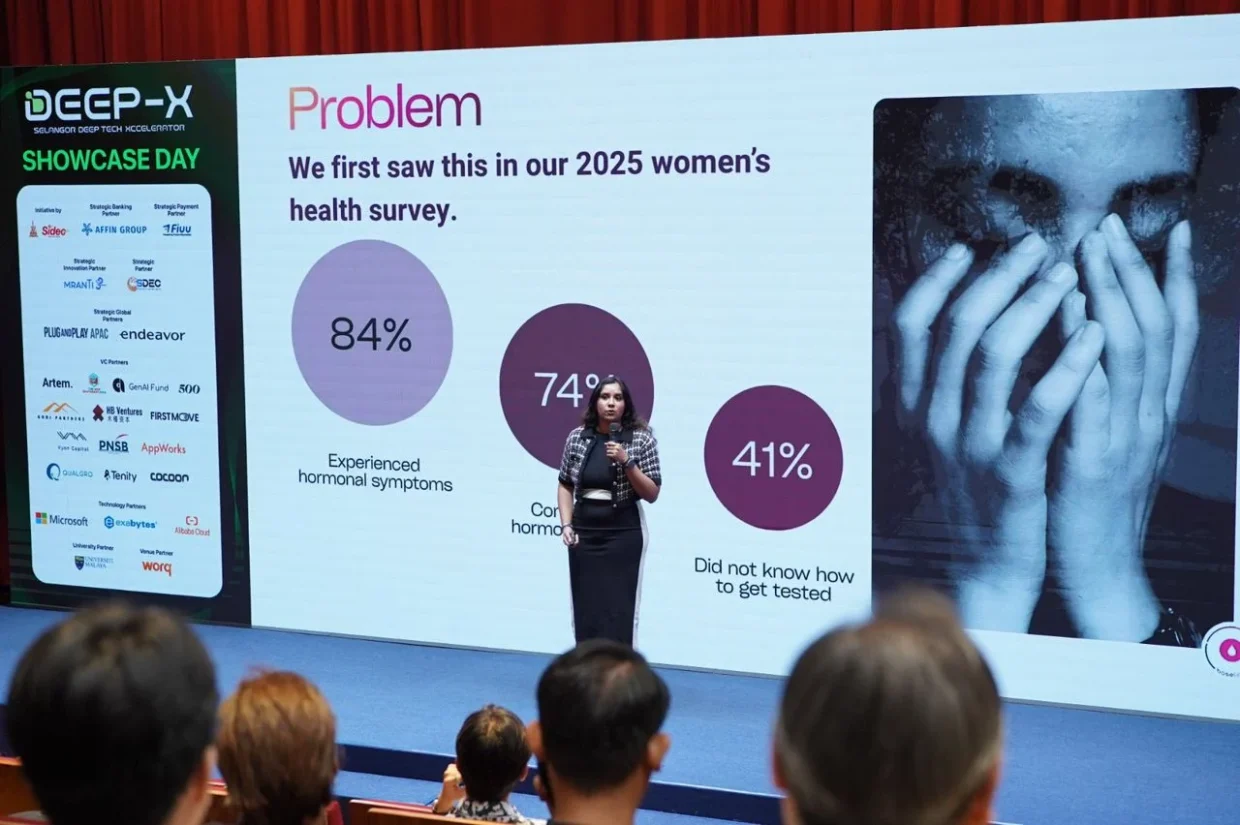
Her interest in women’s health is also personal. Growing up, Karen watched her mother raise two daughters on her own and later go through surgically induced menopause. At the time, menstrual and reproductive health was not a topic that was discussed openly.
Looking back, the experience made her realize how easily women can put their own health aside while caring for her families, careers, and other responsibilities. Today, she wants women to feel more comfortable talking about periods, fertility, hormonal changes and menopause without shame or embarrassment.
When Symptoms Start Telling a Bigger Story
Throughout her career, Karen noticed that women often centered the healthcare system without a clear diagnosis. Instead, they came with symptoms such as irregular periods, acne, fatigue, weight changes, mood changes or fertility concerns.
On their own, these symptoms may appear ordinary. But when several happen together or continue over time, they may begin to form a pattern.
“The healthcare system is very good at creating identifiable conditions, but women do not always enter the system with a diagnosis. They enter with symptoms.”
Her own PCOS diagnosis made this issue even more personal. With her clinical background, Karen knew she needed medical advice. However, she also noticed women around her ignoring reproductive and hormonal symptoms until they became disruptive.
Social media has also become a common place to search for answers, where supplements, diets, detoxes and quick solutions are often linked to different symptoms. Karen says looking for information is not the problem, but it should not become a replacement for proper medical assessment.
What Should Women Pay Attention To?
Rather than worrying about every symptom, Karen encourages women to focus on change, persistence and patterns.
Persistent irregular or missed periods, unusually heavy bleeding, significant new acne, excess hair growth, unexplained weight changes, ongoing fatigue, and severe mood changes are worth paying attention to, especially when they begin affecting daily life.
Every woman’s body is different, which is why understanding what is normal for your own body matters. If something changes significantly and continues, Karen says women do not need to wait until it becomes severe before seeking medical advice.
Some symptoms require more urgent medical assessment, including very heavy bleeding, severe pelvic pain, fainting, symptoms associated with pregnancy, or anything that appears suddenly and feels abnormal.
Understanding Your Body Before a Crisis
Karen believes reproductive health should not only become important when women want to have a baby.
Some women may experience irregular cycles or other symptoms for years without investigating them. It may only be when they begin trying to conceive that they look deeper into their reproductive health, in some cases, discover conditions such as PCOS.
Not every irregular cycle means PCOS, and not every fertility problem comes with obvious symptoms. This is why Karen encourages women to understand their menstrual history, symptoms, lifestyle, medical history and family history.

“Know what your normal cycle looks like. Pay attention when something changes. Notice what keeps repeating. And if a change persists, ask why.”
This thinking is also behind Baseline. The platform helps women recognize and organize patterns in their health so they can have more informed conversations with healthcare professionals, and decide whether further assessments may be needed.
Its AI Hormone Analysis is free and is designed as a starting point. It is not a diagnosis, and does not replace medical care.
Helping Women Understand Their Own Baseline
For Karen, Baseline grew from a simple question..how can women recognise patterns in their health earlier, understand when something deserves attention and know when it may be time to seek professional care?
She built the platform as a solo, self-funded founder after seeing how disconnected the women’s health journey could be. A woman might track her symptoms in one place, get blood tests somewhere else, search for advice online and then be left trying to connect all that information herself.
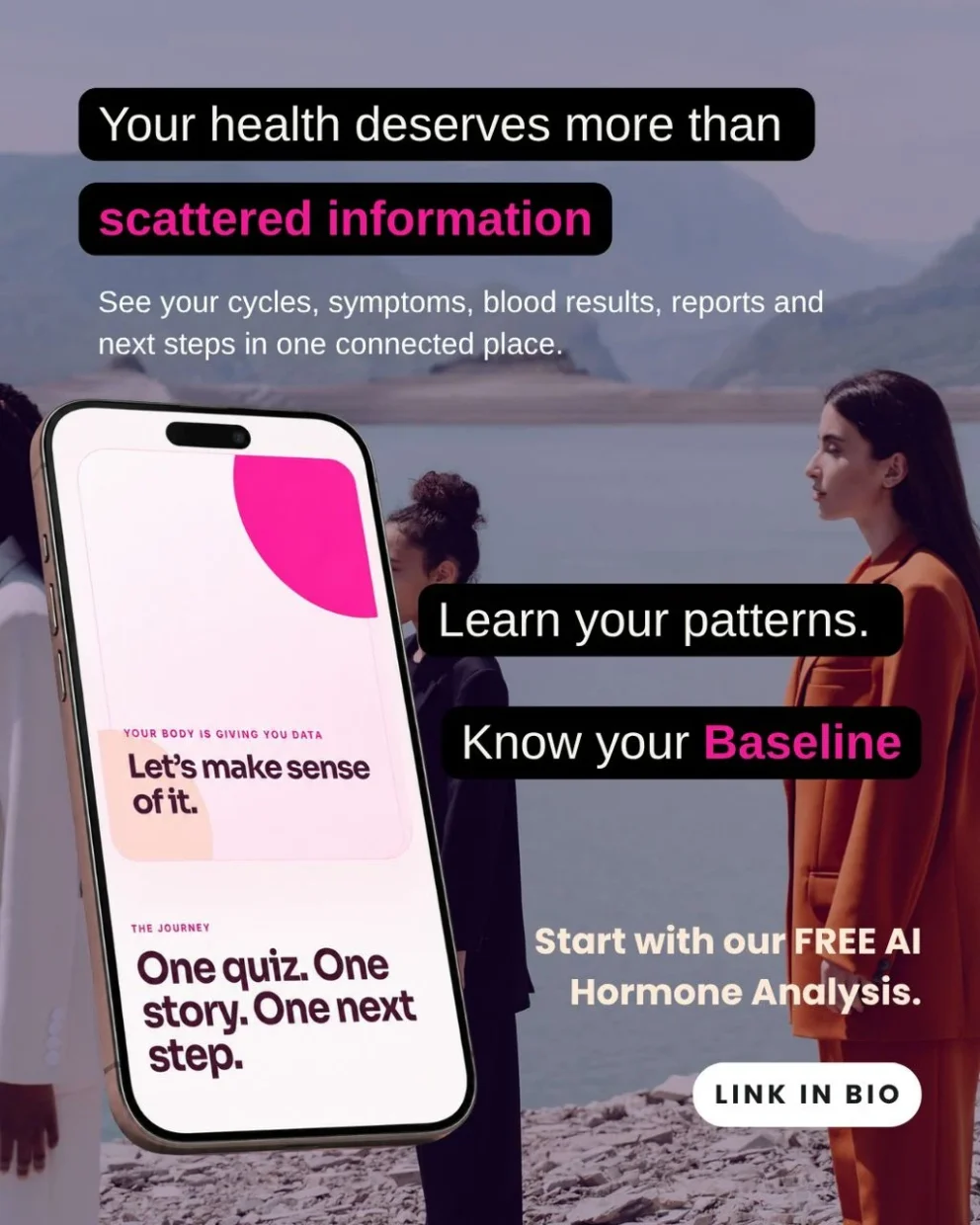
Baseline takes a different approach by looking at symptoms and patterns first, while blood panels can be used as confirmation steps. The platform considers a woman’s symptoms, menstrual and medical history, family history, and lifestyle to help her understand changes happening over time.
The goal is not to diagnose women, but to give them a clearer starting point before or between medical consultations.
Karen has also kept Baseline’s AI Hormone Analysis free because she believes cost should not stop women from taking that first step. The tool helps women reflect on their symptoms and recognize patterns that may need further attention. They also have a period cycle tracker, which is now available on Google Play.
Building Women’ s Health Around Southeast Asian Women
Baseline was also created with Southeast Asian women in mind. Karen believes women’s healthcare cannot always take a one-size-fits-all approach, especially when culture can influence diet, family life, health beliefs, and the way women seek care.

This is why Baseline brings conventional clinical knowledge together with frameworks from Ayurveda and Malay Traditional Medicine, which have long been part of practices around postpartum care, recovery, food, and general wellbeing in the region.
However, Karen is clear that traditional and complementary practices should not replace proper medical assessment, diagnosis or treatment.
With supplements and remedies for hormones, fertility, periods, menopause and weight management widely promoted online, she encourages women to question the evidence and safety behind these claims.
Women should also inform healthcare professionals about any herbs, supplements or traditional remedies they use, particularly when pregnant, trying to conceive, taking medication or managing an existing health condition. For Karen, Baseline is ultimately about creating another layer of support outside the consultation room.
Her hope is to encourage a more preventive approach, when women understand their bodies earlier rather than waiting until it becomes severe.
This is a Varnam Exclusive Feature! Any Reproduction Requires A Credit To Varnam Malaysia.