



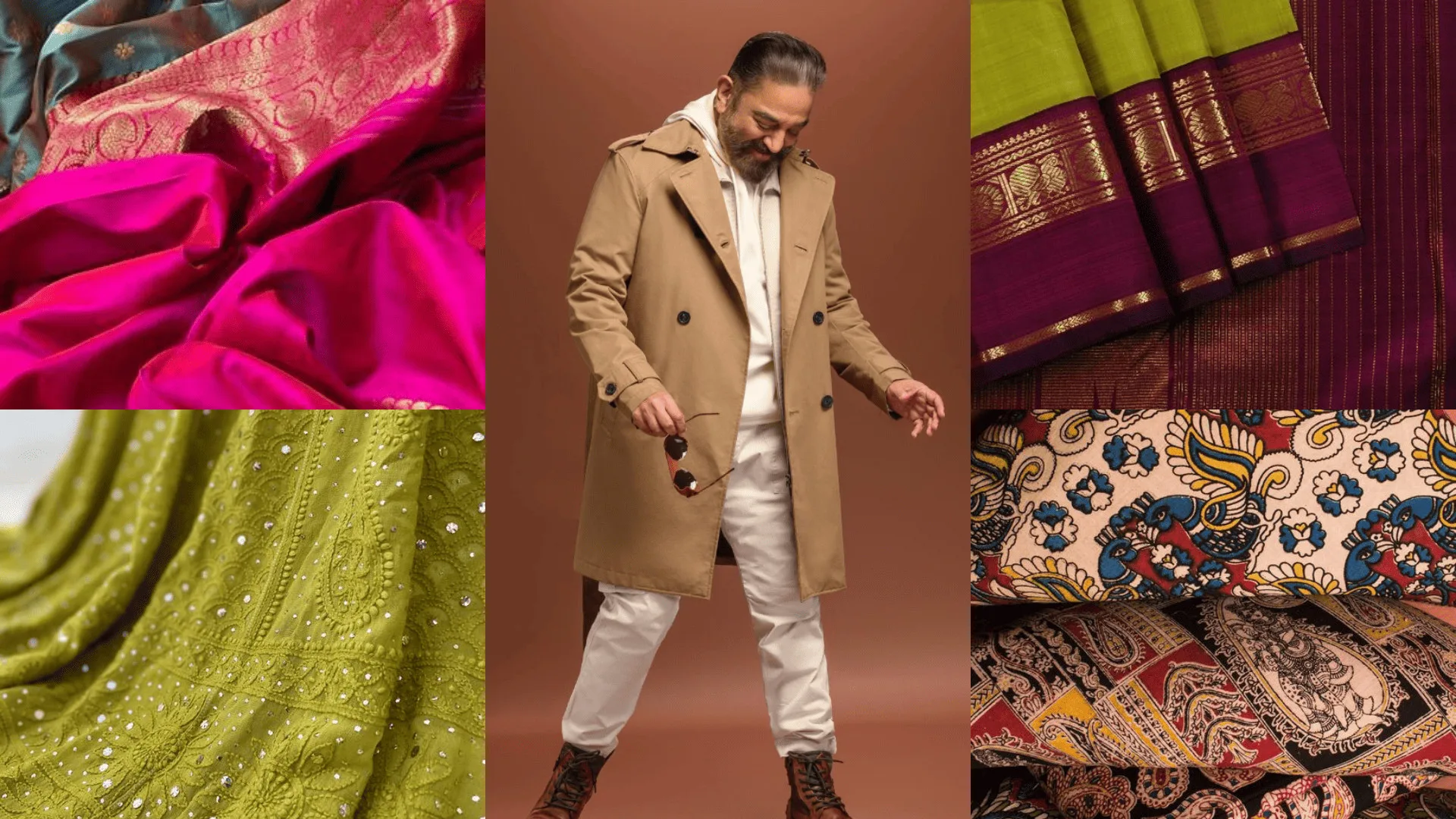
From draping saree traditionally to wearing them with jeans, fashion has changed tremendously overtime. It is a way of expressing one’s style. It is a way of life. People from different countries and culture dress according to their style. Some even take fashion trends seriously and follow them religiously.
One thing that we should embrace as a community is, our Indian Fashion!
India’s many ethnicities, geographical regions, climatic conditions, and cultural traditions all influence the country’s peoples’ choice of clothing. The contribution of textiles to the apparel and fashion industries is enormous. India has traditionally been a major producer of textiles. India has a long history of producing high-quality textiles. Indian textiles have a history that dates back to the Indus valley civilization in the fifth millennium BC. The inhabitants of that civilization wove their clothing out of hand-spun cotton, and they dyed it indigo.
Lets have a look at the different types of textile that you can rock as your next outfit.
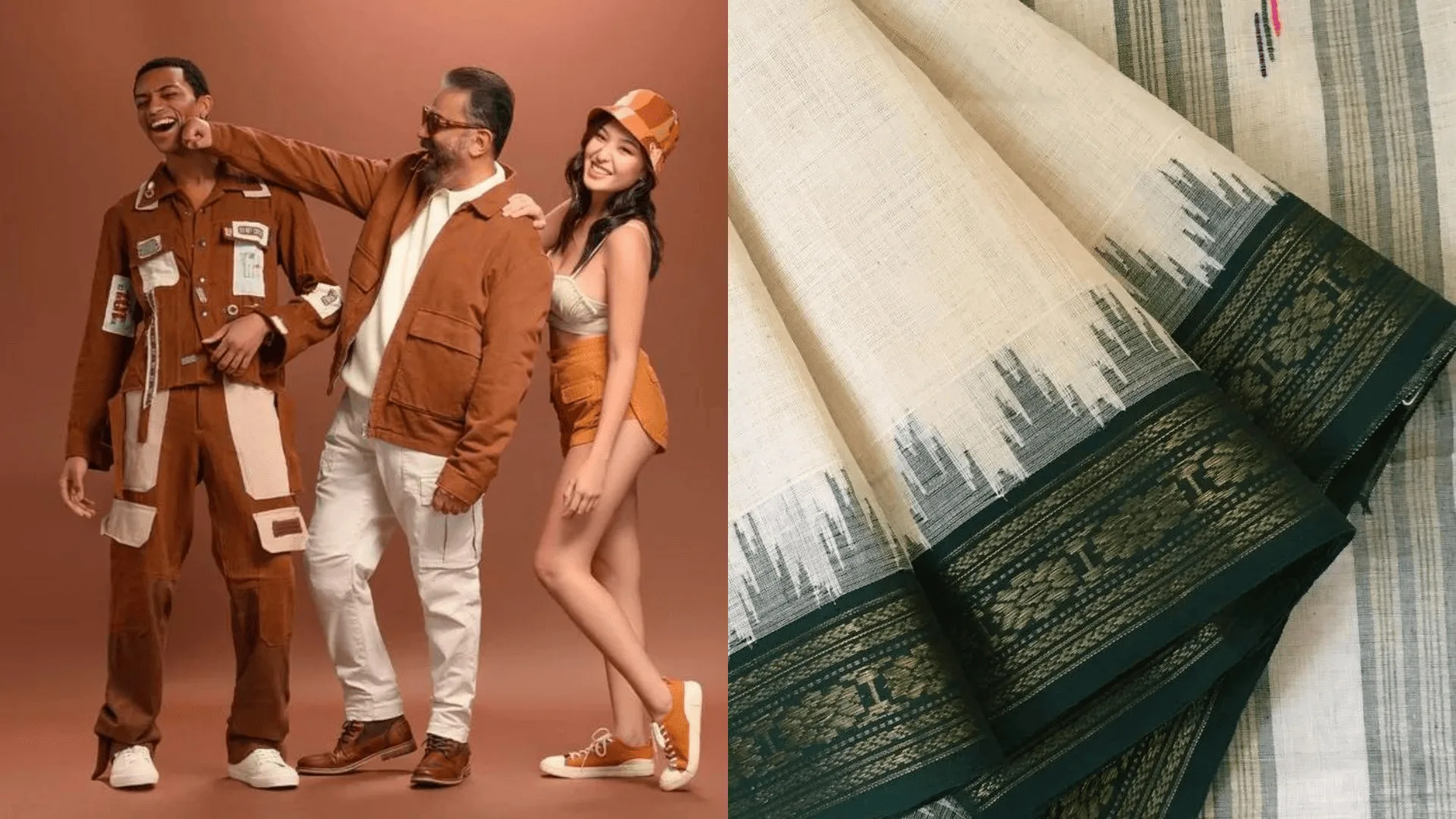
KHADI
Handspun and hand-woven natural fiber clothing is known as khadi. During the British era, it was also well-known under the name khaddar. Some claim that the cloth is Swadeshi. Khadi is a flexible fabric that keeps you warm in the winter and cool in the summer. After Ulaga Nayagan, Kamal Hassan started his clothing brand, KH House of Khaddar, which focuses on modernizing Khadi to suit the sensitivities of the youth by presenting it in a stylish new incarnation, and with that Khadi once again became well-known in India.
KALAMKARI
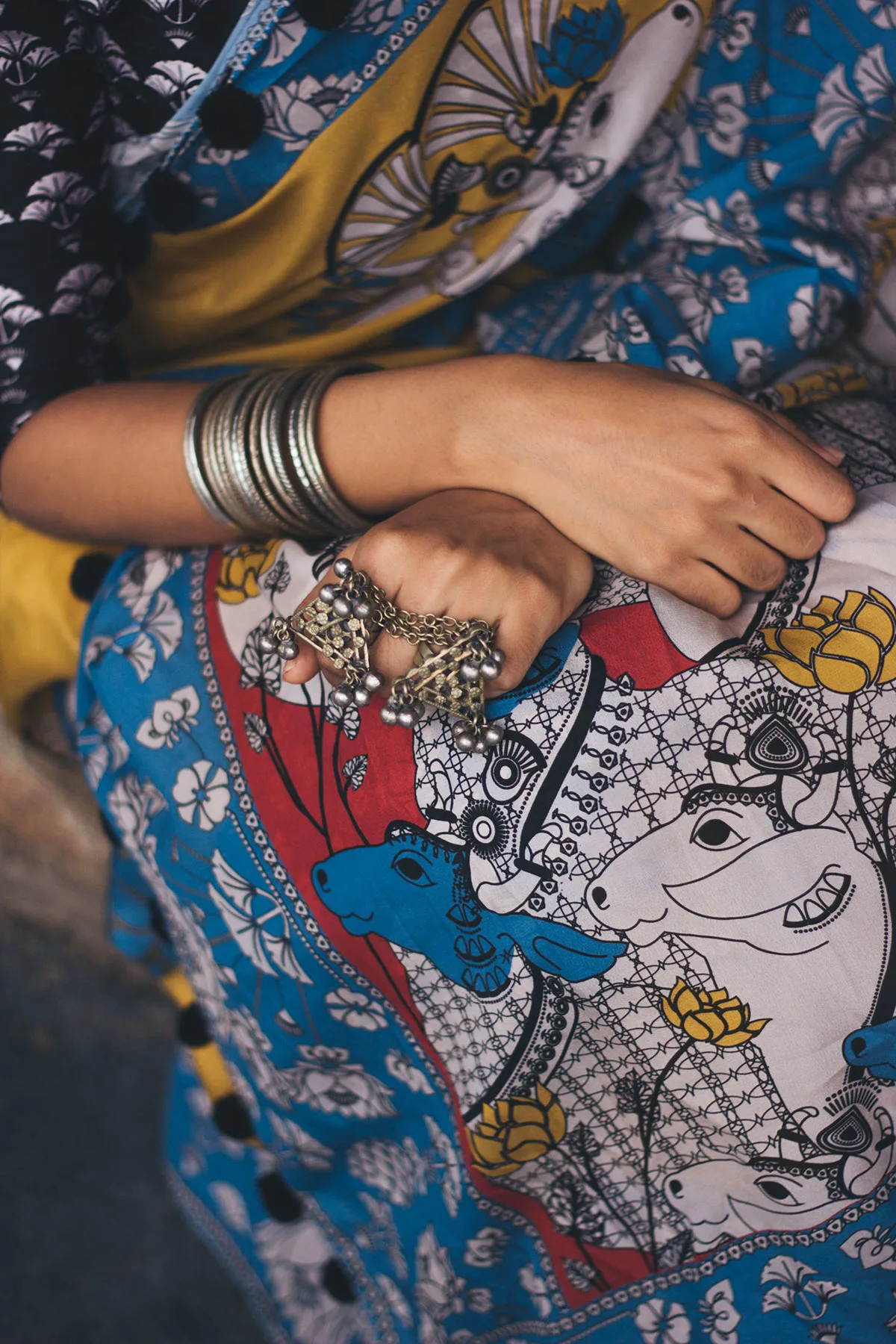
Kalamkari, which means “pen-worked” in English. It is a kind of cotton cloth that has been hand-painted or block-printed. The Srikalahasti style and the Machilipatnam style are the two variants of Kalamkari art that are practiced in India. Drawing patterns in the Srikalahasti style is done freehand with a pen, and all color filling is done by hand. The Machilipatnam method, on the other hand, includes block-painting a cloth using vegetable dyes. It reminds me of the work we used to do in art lessons in school.
BANARASI SILK
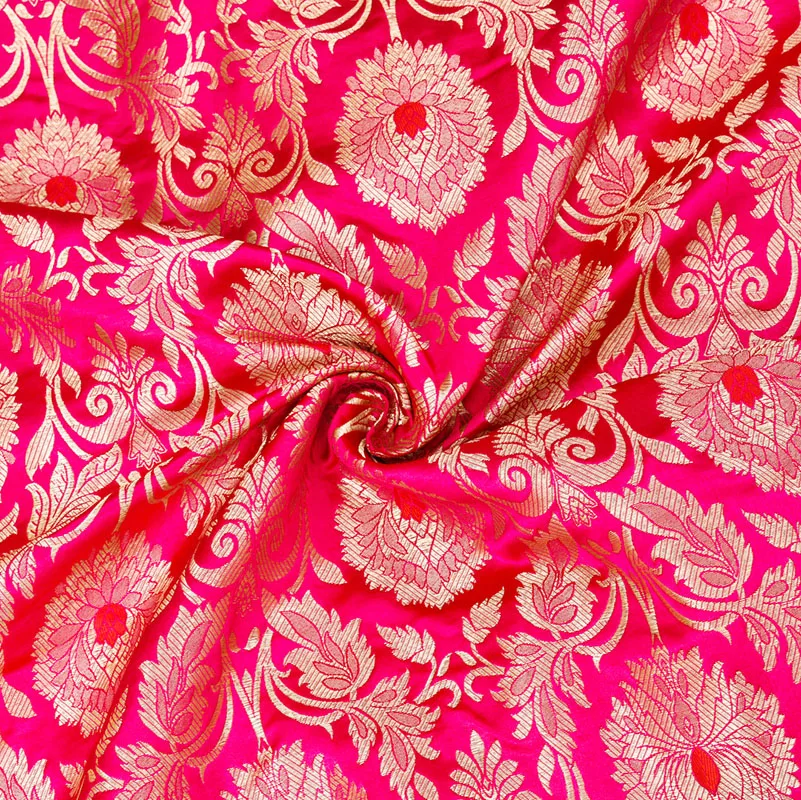
The heritage of Banarasi silk is deeply rooted in India’s illustrious past. It is renowned for its beautiful silk and lavish needlework known as zari, which is a gold and silver brocade. The majority of sarees are made of Banarasi silk, and they frequently have exquisite designs that take their cues from Mughal art, including floral and foliate patterns, mango leaf motifs, and minakari work.
CHIKANKARI EMBROIDERY
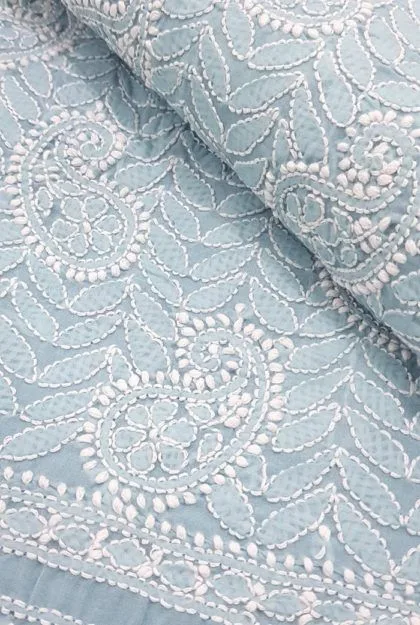
Over the past several years, Chikankari has come into the public eye as a fashion trend on social media. The simplest cotton and organdy, a delicate translucent cotton muslin that is often stiffened and used for women’s apparel, are transformed into flowing yards of enchantment via the technique of Chikankari. The name “Chikan” comes from a Persian word derived from “Chic,” which alludes to the “Jali” work done on marble or wood. This is an intriguing breakdown of the word “Chikankari.” On the right side of the cloth, six strands are used to create the long running or darning stitch known as Chikankari by crossing over four threads and picking up one.
KANJIVARAM
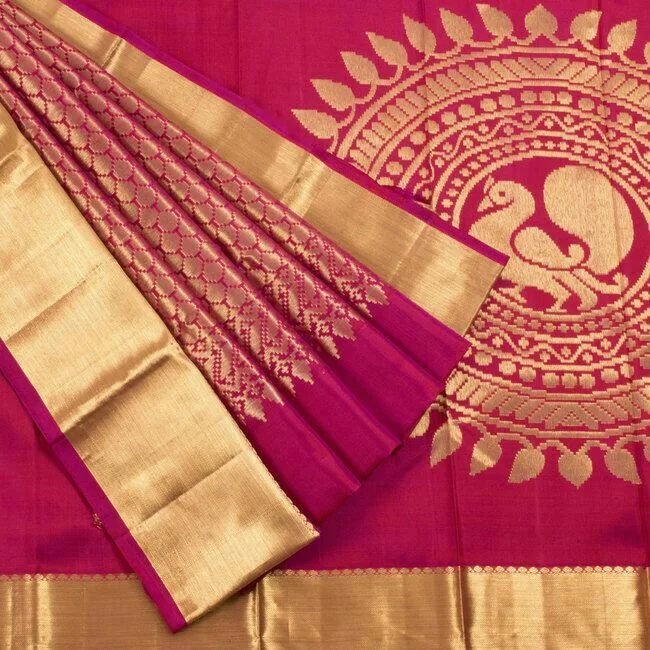
Three plies of pure mulberry silk are used in the Kanjivaram weave, and heavy zari is used to create the sari’s distinctive and elaborate patterns. The Korvai (in sync) style of weaving, in which various colored yarns are joined for the body and border, is used by weavers.
“Is this all the Indian textile that is left for us?” Of course not! We have more in store for you.
See you in Part 2. Till then, rock out your looks with some of these Indian textiles!