



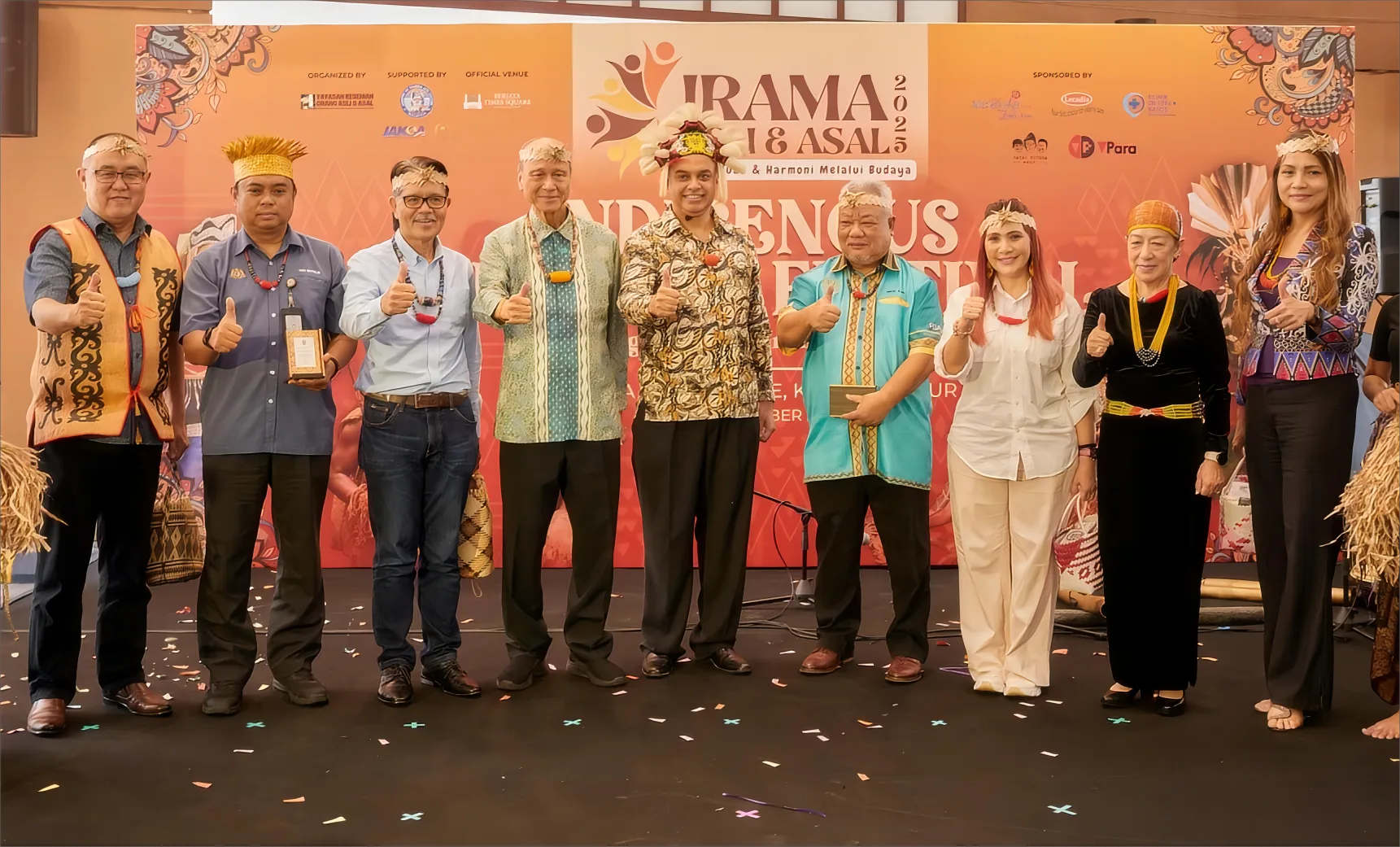
The second edition of Festival Irama Asli & Asal 2025 concluded on a resonant note, reaffirming Malaysia’s indigenous heritage as a cornerstone of the nation’s cultural identity, history, and environmental consciousness.
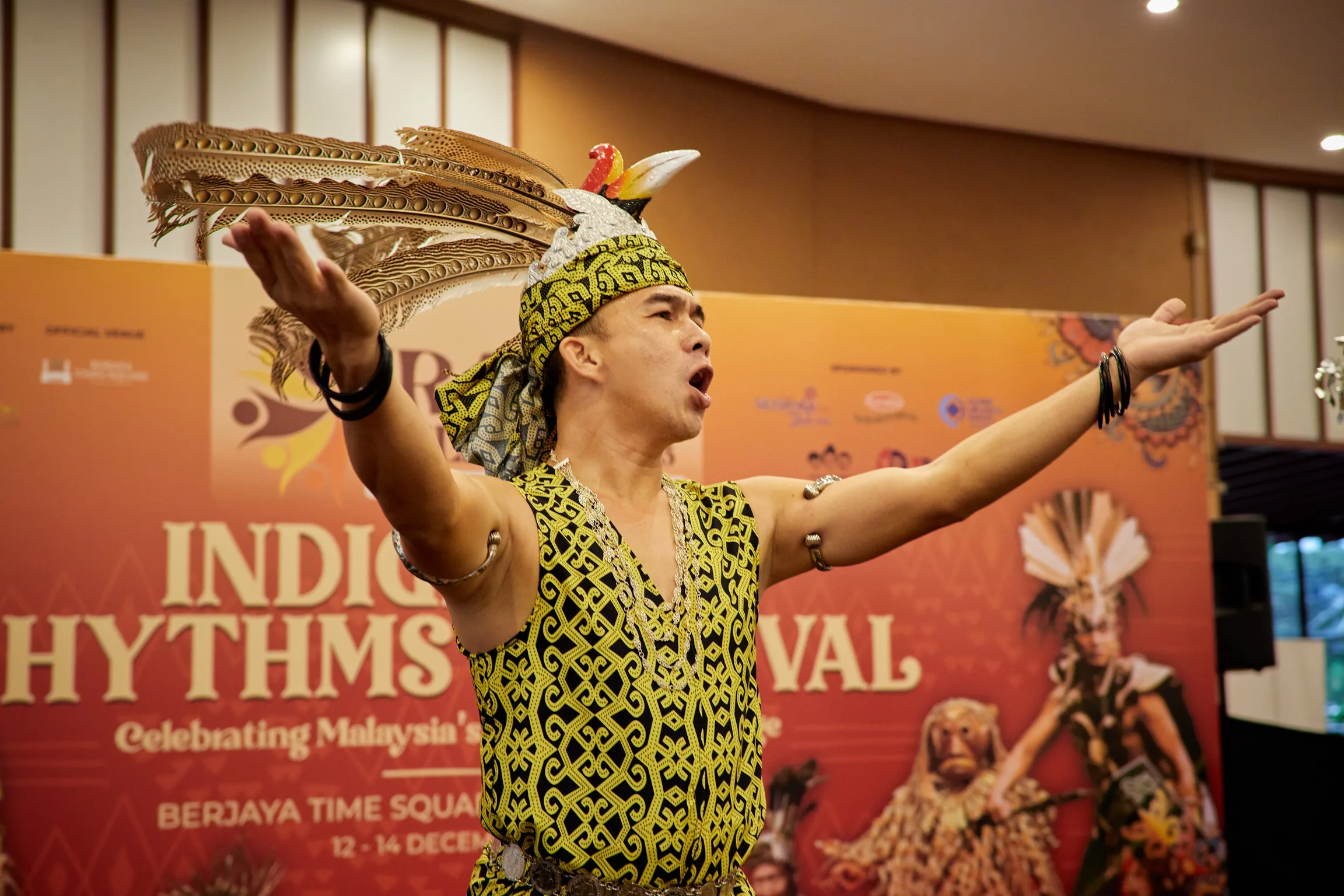
Held from 12th December to 14th December at Berjaya Times Square, the three-day festival brought together the Orang Asli of Peninsular Malaysia and the Orang Asal of Sabah and Sarawak in a shared celebration of culture. Organized by Yayasan Kesenian Orang Asli & Asal (YKOA), the festival served as a vibrant platform to showcase indigenous music, dance, crafts, traditional knowledge, and cuisine, while fostering understanding and appreciation among the wider public.
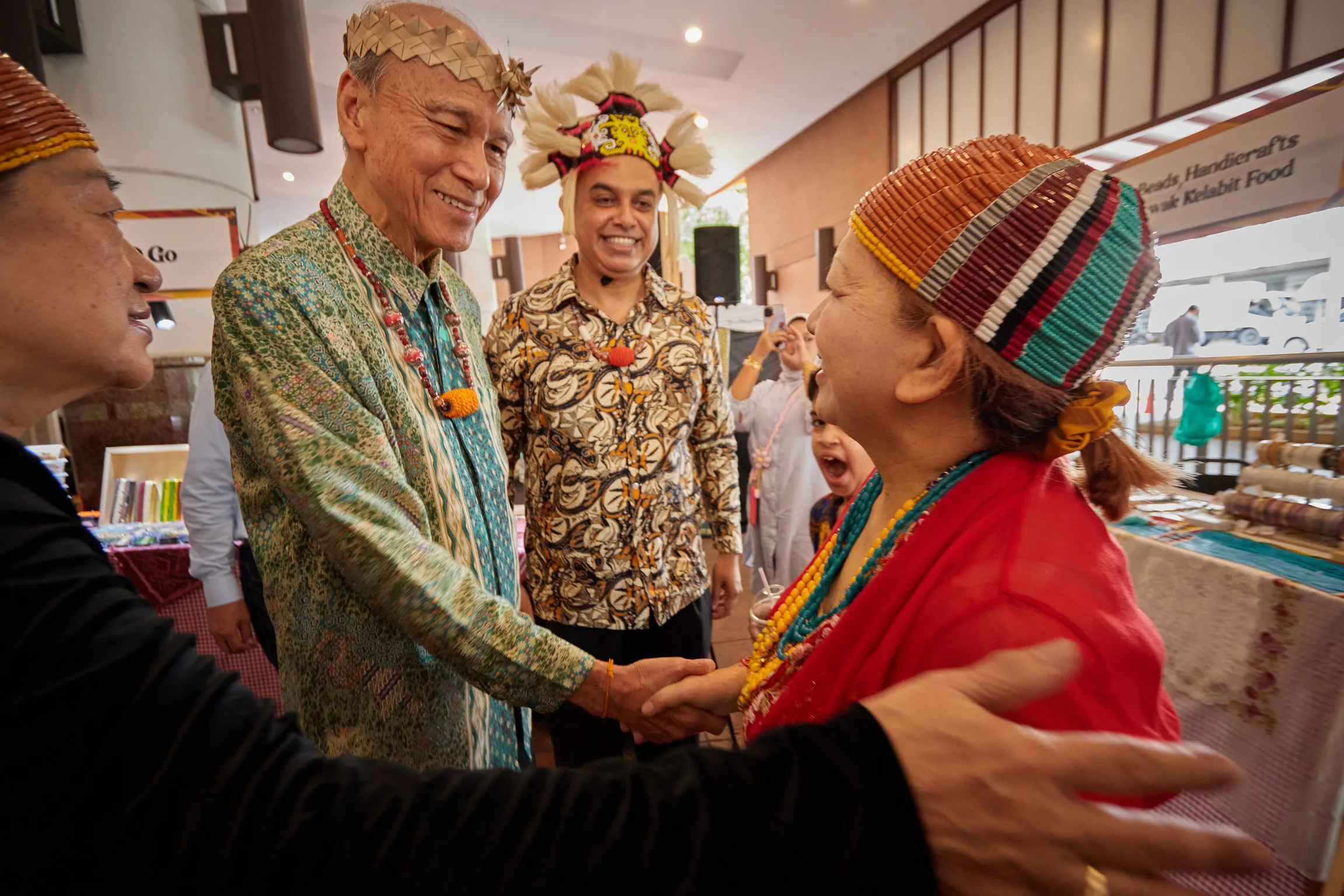
Honoring Roots Beyond Performance
Officiating the opening ceremony, Tan Sri Lee Lam Thye, the festival’s Guest of Honor, stressed that Irama Asli & Asal goes beyond cultural performance. He described it as a space to honor the resilience, history, and living legacy of Malaysia’s indigenous communities, long before the formation of the modern nation.
“We are not gathered merely to witness performances of music and dance. We are here to honour the history, resilience, and spirit of the Orang Asli and Orang Asal — communities that existed long before the formation of modern Malaysia,” said Tan Sri Lee.
He highlighted that indigenous languages, craftsmanship, music, and value rooted in harmony with nature remain vital yet often underappreciated elements of Malaysia’s identity, calling for these traditions to be respected, strengthened, and carried forward for future generations.
Indigenous Wisdom and Environmental Stewardship
Tan Sri Lee also drew attention to the role of indigenous communities as custodians of the natural environment, noting that their traditional knowledge offers valuable lessons in sustainability, particularly amid global climate challenges. He described indigenous practices of living in balance with nature as insights that resonate far beyond cultural preservation.
“The languages, craftsmanship, music, dances, and values rooted in harmony with nature
are priceless national treasures. This heritage must not only be displayed — it must be lived, respected, and strengthened for future generations,” he added.
One Shared Heritage
Echoing this message, YKOA Chairman Dr Andre Ratos said the festival symbolizes unity between the Orang Asli and Orang Asal, positioning them not as separate communities, but as two pillars of one shared Malaysian heritage. He added that the festival continues the legacy of his late father, Datuk Antony Ratos, who dedicated his life to advancing dignity, inclusion, and welfare within indigenous communities.
“This festival unites the Orang Asli of Peninsular Malaysia and the Orang Asal of Sabah and Sarawak — not as separate communities, but as two pillars of one shared heritage,” said Dr Andre.
Living Culture, Shared Experience
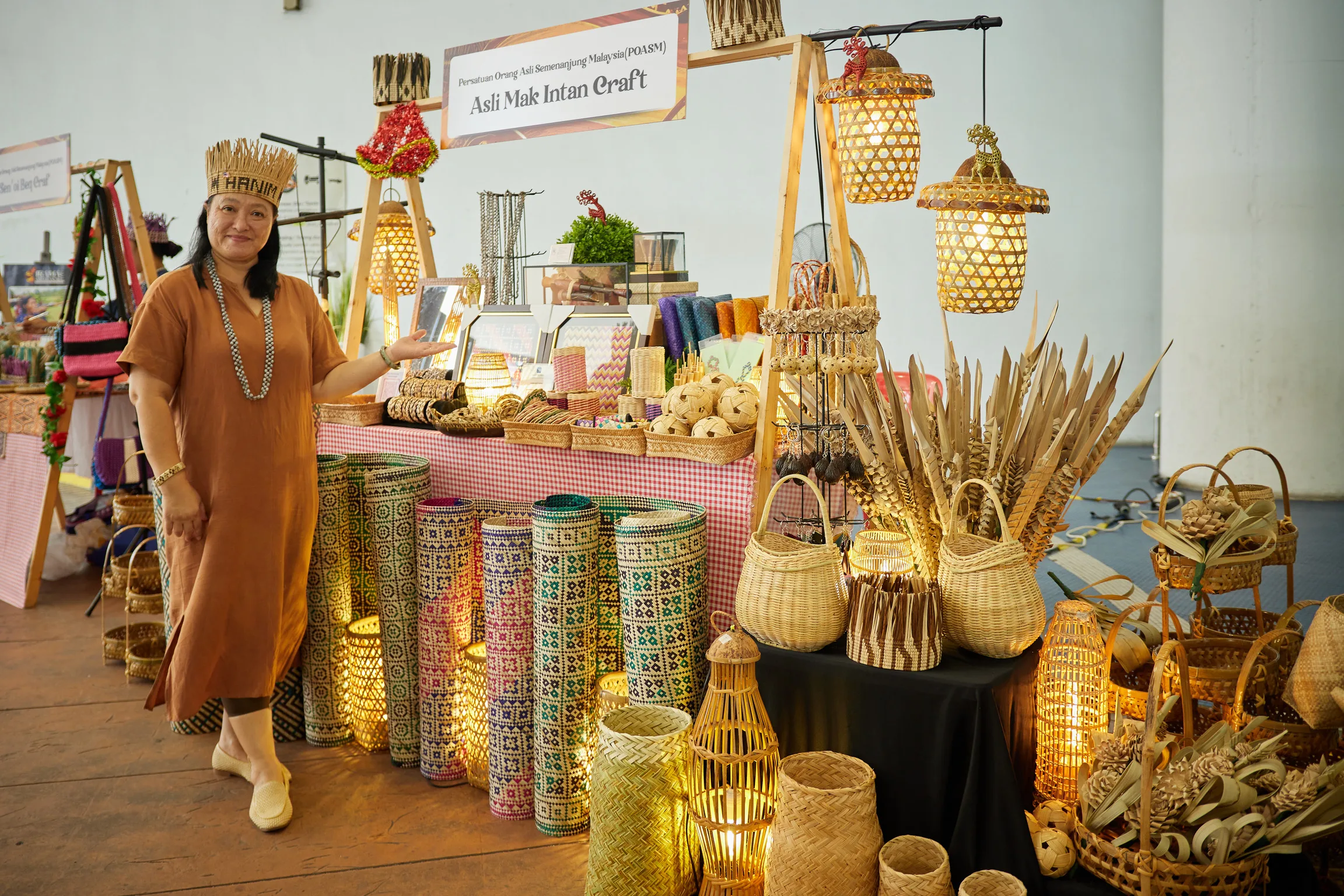
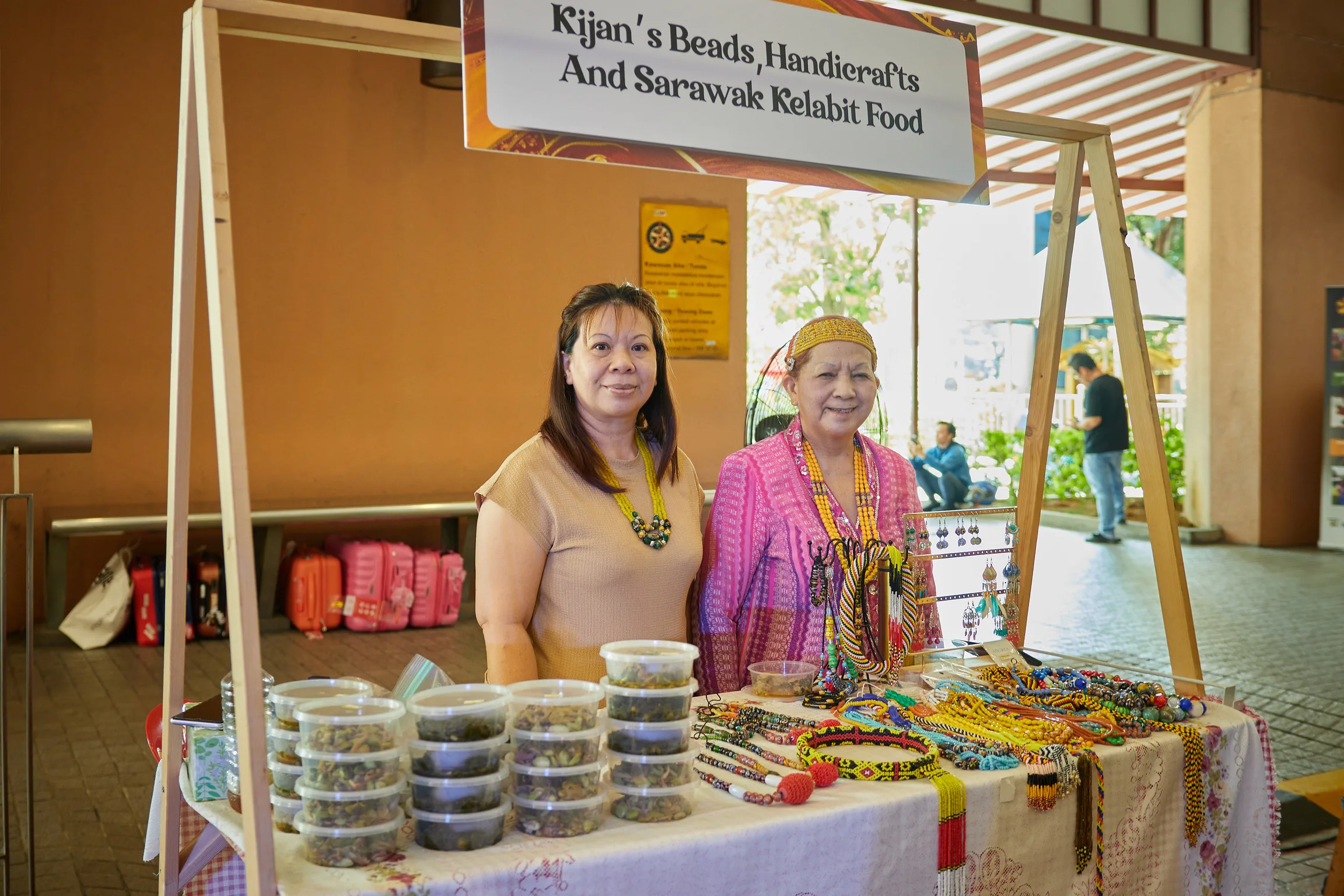
Festival highlights included traditional musical performances featuring indigenous instruments, cultural dances from Sabah and Sarawak, interactive craft demonstrations, indigenous games, and a curated ethnic food showcase. Visitors were given the opportunity to engage directly with artisans and performers, gaining deeper insight into the stories and meaning behind each tradition.
Tan Sri Lee also expressed appreciation to MOTAC, JAKOA, POASM, and supporting partners, emphasizing the importance of sustained institutional support in safeguarding indigenous heritage.
As the festival drew to a close, YKOA reaffirmed its commitment to working alongside leaders, youth, and artisans to ensure that indigenous art, languages, and knowledge systems continue to thrive, not only preserved as history but celebrated as a living, evolving part of Malaysia’s national identity.