



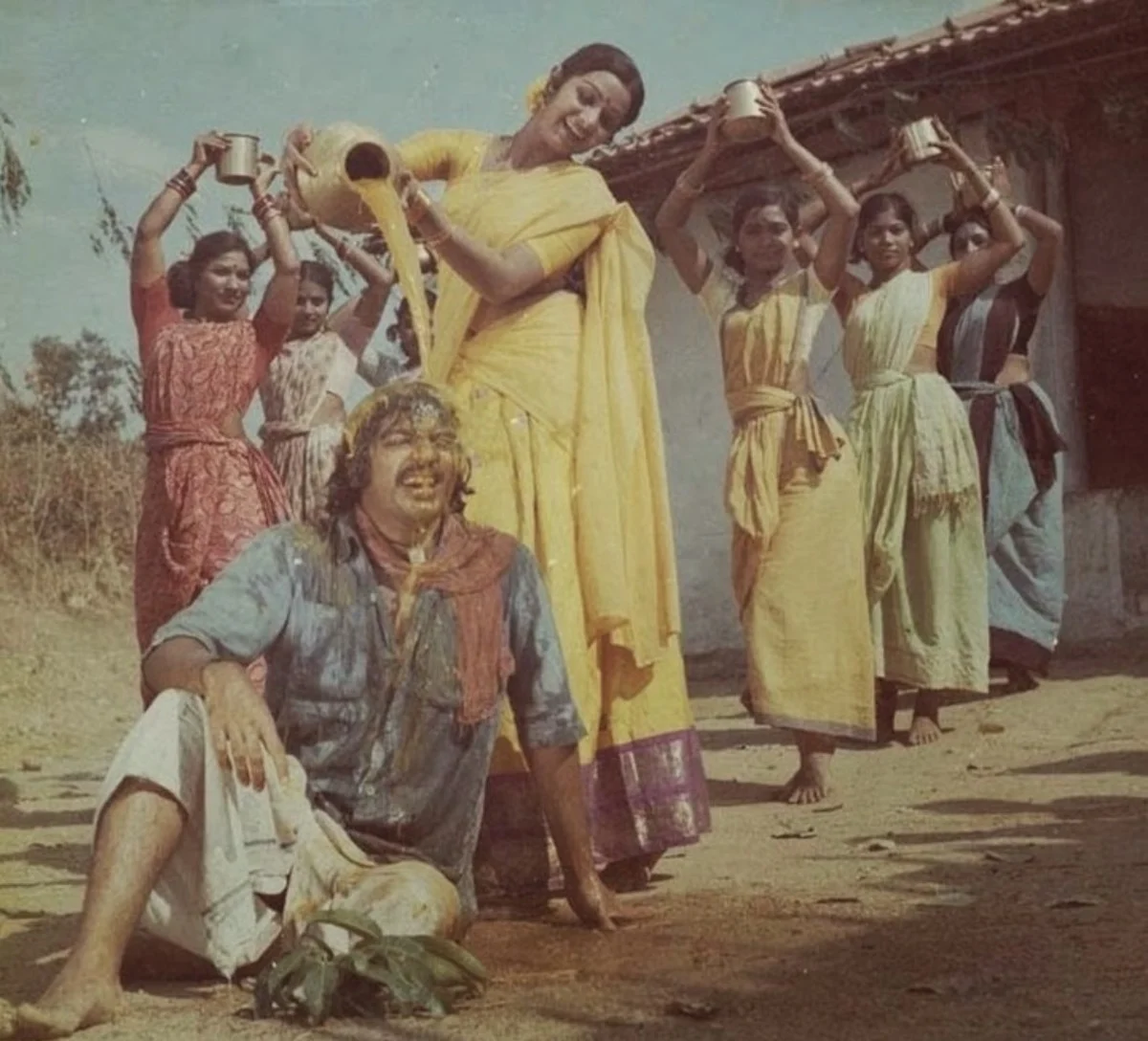
Veteran Tamil film director Bharatiraja passed away in Chennai, India, on June 10, 2026. The renowned filmmaker was 84. Born Chinnasamy Periyamaya Thevar on July 17, 1941, to parents Periyamaya and Karuthammal in Theni, Bharathiraja went on to become nothing short of a legend in the history of Tamil Cinema.
Earning six National Film Awards, four Filmfare Awards, six Tamil Nadu State Film Awards and a Nandi Award, he was a revolutionary force in not just Tamil but Indian Cinema. Transcending his own works, Bharathiraja’s legacy remains foundational in the industry for introducing numerous prominent figures such as Radhika, K. Bhagyaraj, Revathi, Sathyaraj, Thiagarajan, Janakaraj, Rekha, Karthik, Napoleon, Vadivukkarasi and Radha.
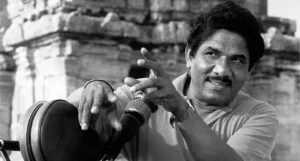
Famously known as a pioneer in the genre of village cinema, Bharathiraja broke through in 1977 with his directorial debut, 16 Vayathinile, starring none other than the Tamil icons Sridevi, Rajinikanth, and Kamal Hassan. This film challenged existing conventions surrounding studio-bound filmmaking techniques and shifted the focus towards authentic rural landscapes. He has also played a fundamental role in changing the visual narrative of Tamil cinema through his consistent depiction of male leads simply and without heavy cosmetics, and casting dusky-toned women in lead roles at a time when fair-skinned actresses were the more desired option.
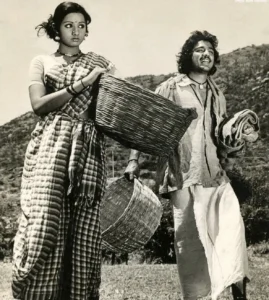
16 Vayathinile stands as an iconic debut in Tamil cinema for countless reasons. The film was able to portray rural life for what it was with strikingly realistic elements, capturing the complexities of the iniya Tamil makkals of the village to the full extent. Mayilu, Chappani and Pattani remain unforgettable even after almost 5 decades. The music album by Ilayaraja was an overnight success, with every track gaining instant popularity. The sight of Sridevi as Mayilu emerging on screen as Janaki goes “Senthoora poove…senthoora poove…” will always feel like a breath of fresh air. Not only was the song written by Gangai Amaran a massive hit, but it also earned singer S. Janaki a National Award.
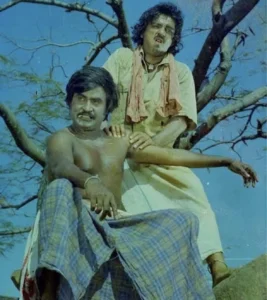

In Kizhake Pogum Rayil (1978), released the following year, Bharathiraja launched 16-year-old Radhika as an innocent village girl, Panchali. Her debut in cinema is marked by her unforgettable appearance in the evergreen “Poovarasam Poo” in a white half saree and a single braid. Kizhaku Pogum Rayil (1978) stands as a testament to Bharathiraja’s social viewpoints, as the film overtly discusses powerful social themes and caste oppression. Without exclusively proclaiming it to be a ‘social film’, this subtle yet impactful storytelling approach is what defines Bharathiraja’s cinema.

After the consecutive success of 16 Vayathinile (1977) and Kizhake Pogum Rayil (1978), the critics began claiming that he was only capable of catering for the rural audiences, and this led him to make yet another mega-hit, Sigappu Rojakkal (1978). Starring the most celebrated pairing of the 80s, Kamal Hassan and Sridevi, this film follows Samar, a psychopathic serial killer driven by misogyny, who indulges in women trafficking on account of unresolved past trauma. The movie explored what was then an unimaginable theme. Sigappu Rojakkal (1978) is a futuristic, ahead-of-its-time film on so many grounds. Ilayaraja’s scoring for this film is undoubtedly a major contribution to its success, as the music album was equally celebrated. Timeless hits such as Ninaivo Oru Paravai and Intha Minminikku Kannil Oru Minnal Vanthadhu continue to rule our playlists even generations later.
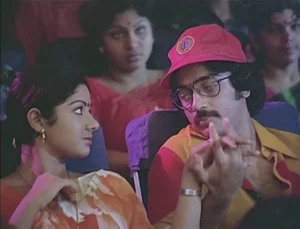
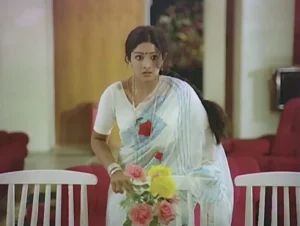
With films such as Niram Maaratha Pookal (1979), Nizhalgal (1980) and Tik Tik Tik (1981), Bharathiraja demonstrated his unmissable versatility, experimenting beyond village drama while retaining his distinctive cinematic tone. Awards earned by Karuthamma (1994) and the whopping success of Kizhaku Cheemayile (1993) substantiate his ability to appeal to younger audiences as well.
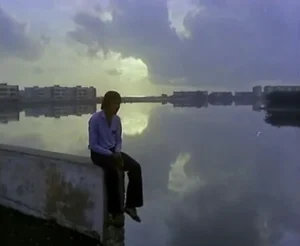

In recent times, Bharathiraja had also taken onto acting. Throughout his acting career, he had portrayed some of Tamil cinema’s noteworthy performances as Selva Nayagam in Mani Ratnam’s Ayutha Ezhuthu (2004), as ‘Senior Pazham’ in Thiruchitrambalam (2022) and in his special appearance in the critically acclaimed Maharaja (2024). His most recent appearance was in Mohanlal’s Thudarum (2025).

In Bharathiraja’s film career spanning over 40 years, he has directed some of Tamil cinema’s classics. His works have always placed a significant emphasis on women and their interpersonal relationships. “En iniya Tamil makkale”, his voice will endure as long as Tamil cinema exists.
This is a Varnam Exclusive Feature! Any Reproduction Requires A Credit To Varnam Malaysia.
Sources: The Star, Letterboxd