



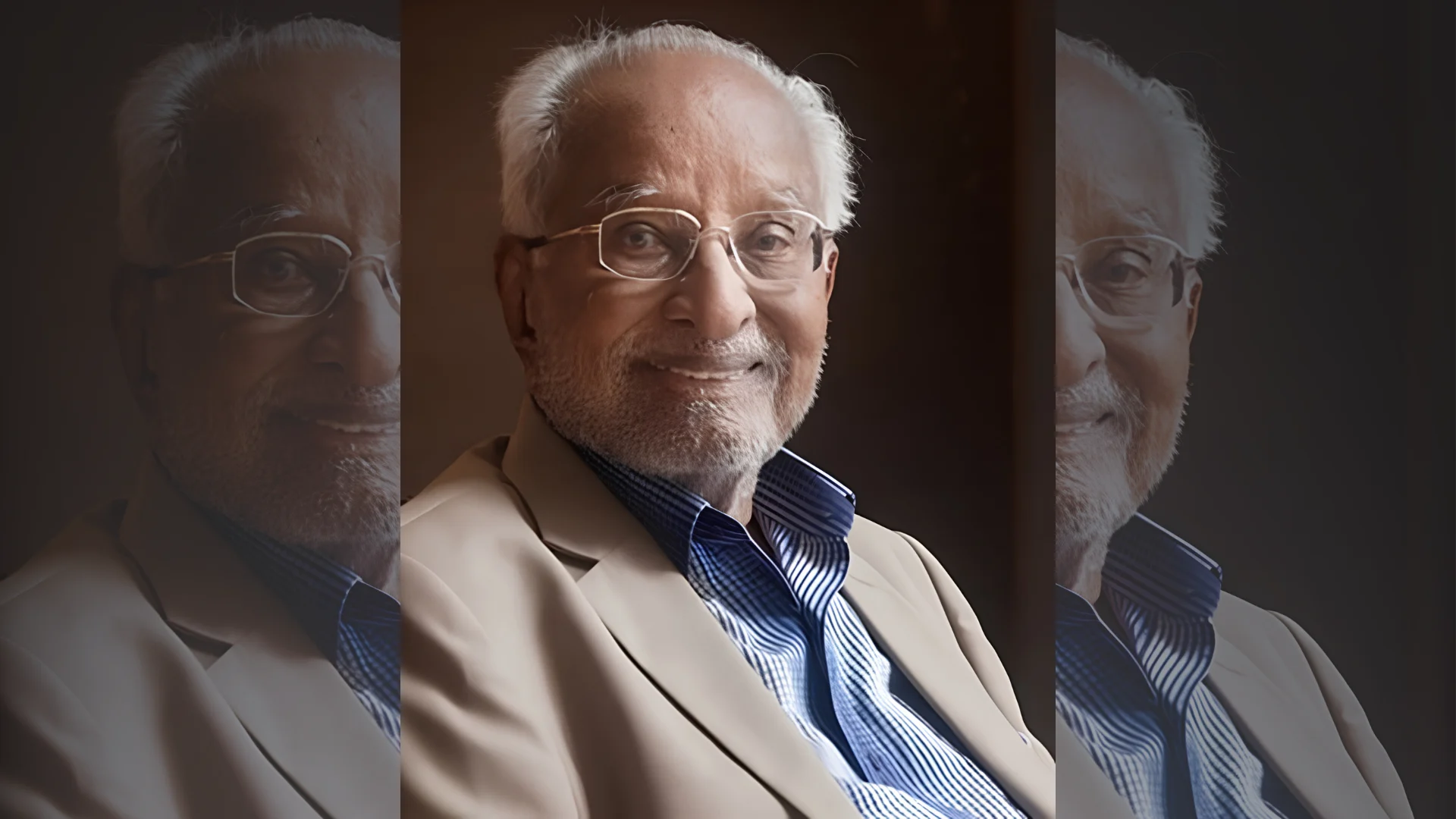
Our country has lost one of the pioneers who shaped the country’s film industry.
Tan Sri Lakshmanan Krishnan, also known as Tan Sri L.Krishnan, passed away on 24th September 2026 in Chiang Mai, Thailand, at the age of 104.
His passing marks the end of a remarkable life closely tied to the growth of Malaysian and Singaporean cinema. A director, filmmaker, and strong supporter of the local entertainment industry, Tan Sri Krishnan spent more than six decades helping to build the industry, both in front of and behind the camera.
Perhaps one of the most important parts of his legacy was recognizing and nurturing young talent. Among the many names whose careers he helped develop was a man who would eventually become one of Malaysia’s greatest cultural icons, Tan Sri P.Ramlee.
From Madras to the World of Cinema
Born in Madras, India, on 21st October 1922, Tan Sri Krishnan was raised in Penang and went to Bukit Mertajam High School, where he completed his Senior Cambridge in 1941. During the Japanese Occupation, he briefly worked as a translator. He later then returned to Madras and entered the film industry as an assistant director in the late 1940s.
In 1949, Tan Sri Krishnan moved to Singapore and joined Shaw Studio as a film director. It was there that he became closely connected to the early career of P. Ramlee.
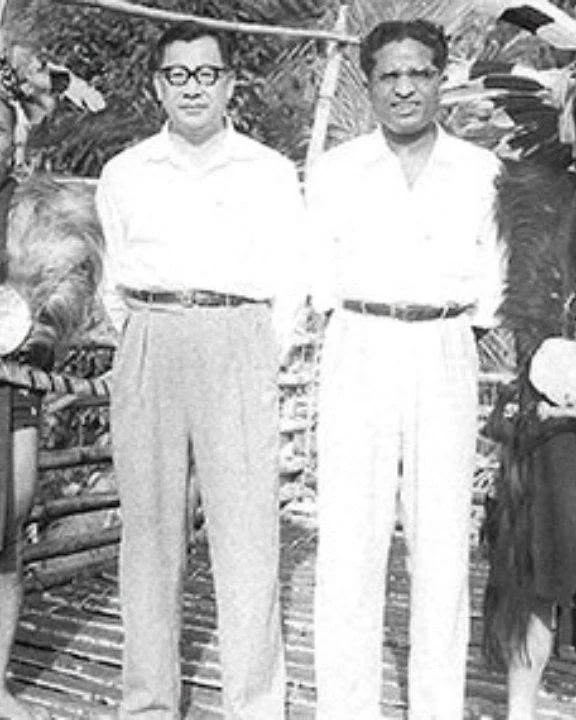
Tan Sri Krishnan saw the potential in the young performer and went on to direct him in a few films, including Bakti (1950), Takdir Ilahi (1950), Penghidupan (1951) and Antara Senyumm dan Tangis (1952).
Bakti was particularly important as it gave P. Ramlee his first starring role, helping to set the stage for the legendary career that followed.
But P. Ramlee was not the only star whose journey Tan Sri Krishnan helped shape. Throughout his career, he worked with and helped launch the careers of several well-known names, including Maria Menado, Kasma Booty, Mustapha Maarof, M. Amin, Latifah Omar and Rosnani Jamil.
A Pioneer Who Was Not Afraid to Try Something New
Tan Sri Krishnan has directed more than 30 films throughout his career. He is known for all the popular stories that brought together songs, dance, and drama.
He also explored genres that were still relatively new to local cinema at the time.
After moving to Cathay-Keris Studio in 1952, he ventured into horror with films such as Orang Lichin (1957), Orang Minyak (1958), and Serangan Orang Minyak (1959), helping to establish the genre during the early years of Malay cinema.

After spending 11 years in Singapore, Tan Sri Krishnan moved to Kuala Lumpur in 1960, where he worked with the late Ho Ah Loke at Studio Merdeka. His films during this period captured the hopes and changing identity of a young, newly independent Malaysia.
The studio itself would later become an important part of the country’s film history. The site eventually became connected to the National Film Development Corporation Malaysia (FINAS), with the original Merdeka Studio complex retained as part of Tan Sri Krishnan’s contribution to the growth of local cinema.
His Contribution Went Beyond Directing
Tan Sri Krishnan’s work did not stop when the cameras stopped rolling.
After leaving Studio Merdeka in 1963, he moved further into business and continued finding ways to develop Malaysia’s entertainment industry.
In 1970, he established Gaya Filem Berhad. He later pushed for stronger protection for Malaysia’s local production industry, advocating for tariffs on advertisements produced overseas. His efforts contributed to a 50% surcharge and later a ban on foreign-produced commercials, creating more opportunities for local production companies.
His contribution also extended into music. In 1980, Tan Sri Krishnan established the 16-track Gaya Music Studio, supporting the country’s growing music industry.
Two years later, in 1982, he established Malaysia’s first motion picture color laboratory, further reducing the industry’s reliance on facilities outside the country.
His leadership also saw him invited by then Sabah Chief Minister Datuk Harris Salleh to chair the Borneo Film Organisation Sabah. In 1984, he became Chairman of Cathay Organisation Malaysia.
A Lifetime of Recognition
Tan Sri Krishnan’s decades of contribution earned him recognition from both the film industry and the country.
In 1995, he received the Anugerah P. Ramlee at the 12th Malaysia Film Festival, followed by the Galeri Sinema Melayu Award in 1996 for his pioneering contribution to the Malay film industry.
One of his major honors came in 2016, when he received the Merdeka Award for Outstanding Contribution to Education and Community, recognizing his role in shaping Malaysia’s modern film industry.
His long list of other honours included the Setia Mahkota Selangor (1976), Dato’ Seri Nilam DiRaja (1978), Kesatria Mangku Negara (1990), Panglima Jasa Negara (2003), and Panglima Setia Mahkota (2011).
Across the entertainment industry, he was also recognized with honors including the:
- MVA Millennium Award in 1999
- International Tamil Film Awards Lifetime Achievement Award in 2003
- Seniman Lifetime Achievement Award in 2006
- Anugerah Seri Temasek in 2011
- Anugerah Tokoh Perfileman Malaysia in 2013
- 1Malaysian of the Year by the National Press Club Malaysia in 2014
- South India Cinematography Award in 2015
A Legacy That Lives Beyond the Screen
Tan Sri Krishnan’s story is not simply about the number of films he directed.
His legacy can also be seen in the people he believed in, such as the studios he helped develop and the changes he pushed for at a time when Malaysia’s film industry was still finding its place.
From recognizing the potential of P. Ramlee created facilities that allowed Malaysian productions to grow closer to home, his work helped build the foundation for generations of filmmakers who came after him.
Tan Sri Krishnan passed away just weeks before what would have been his 104th birthday. More than 7 decades after he first entered the film industry, the films, careers, and institutions he helped shape remain part of his lasting contribution to Malaysian cinema.
His passing closes an important chapter in the history of local filmmaking, but the legacy he leaves behind will continue through the industry he spent much of his life helping to build.
Sources: History Insights – Malaysia’s Post, Merdeka Award, Wikipedia