



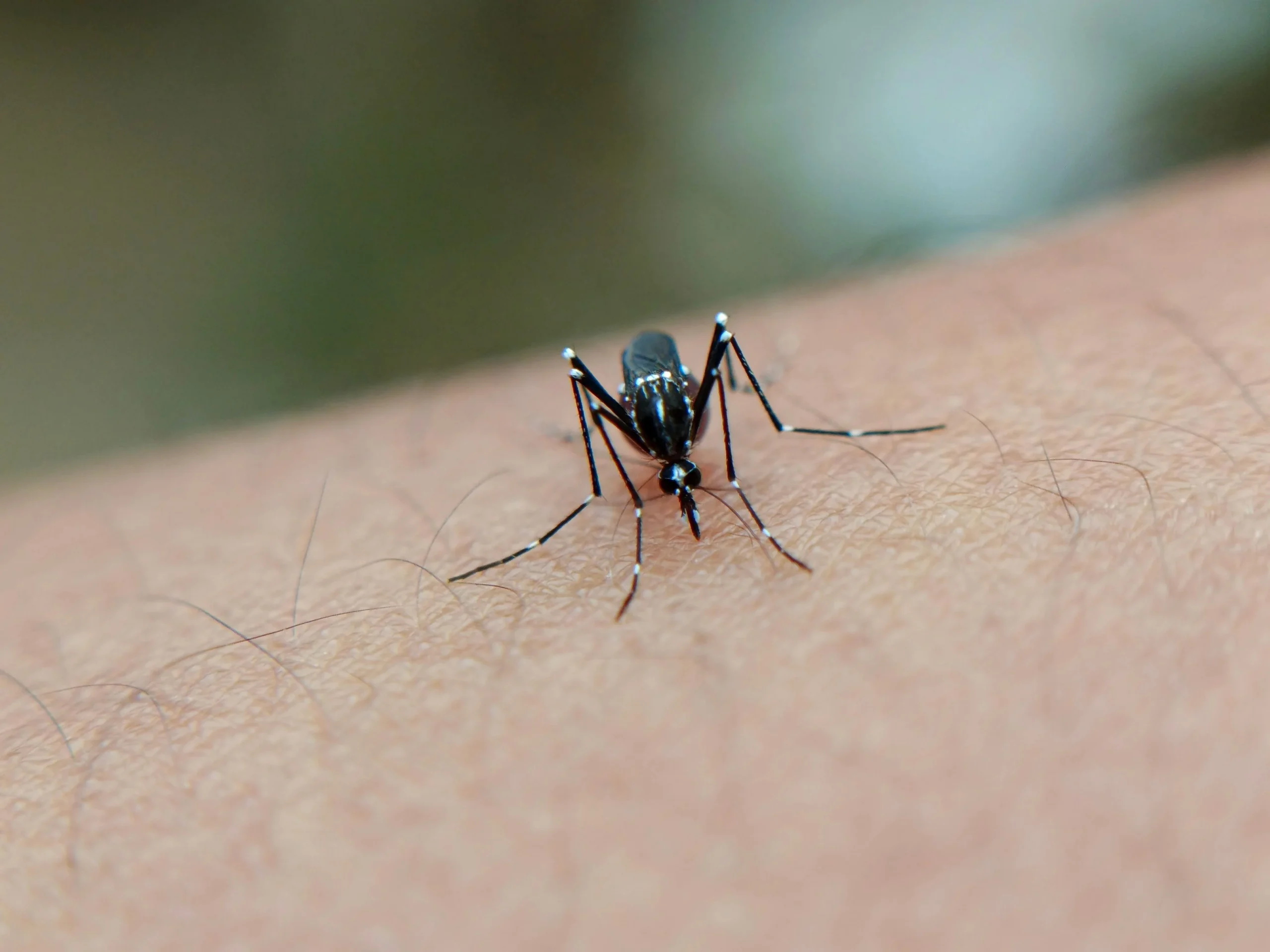
Dengue cases in Malaysia have increased this year, making it important for the public to know the symptoms, warning signs and simple steps to prevent the disease. According to MOH, there were 38,854 dengue cases reported as of 27th June 2026. The number has increased 29.1 per cent compared to last year.
The increase is linked to many factors, such as a shift in the main dengue virus serotype from DENV-2 to DENV-3, climate conditions, urban development, mosquito breeding sites and increased population movement.
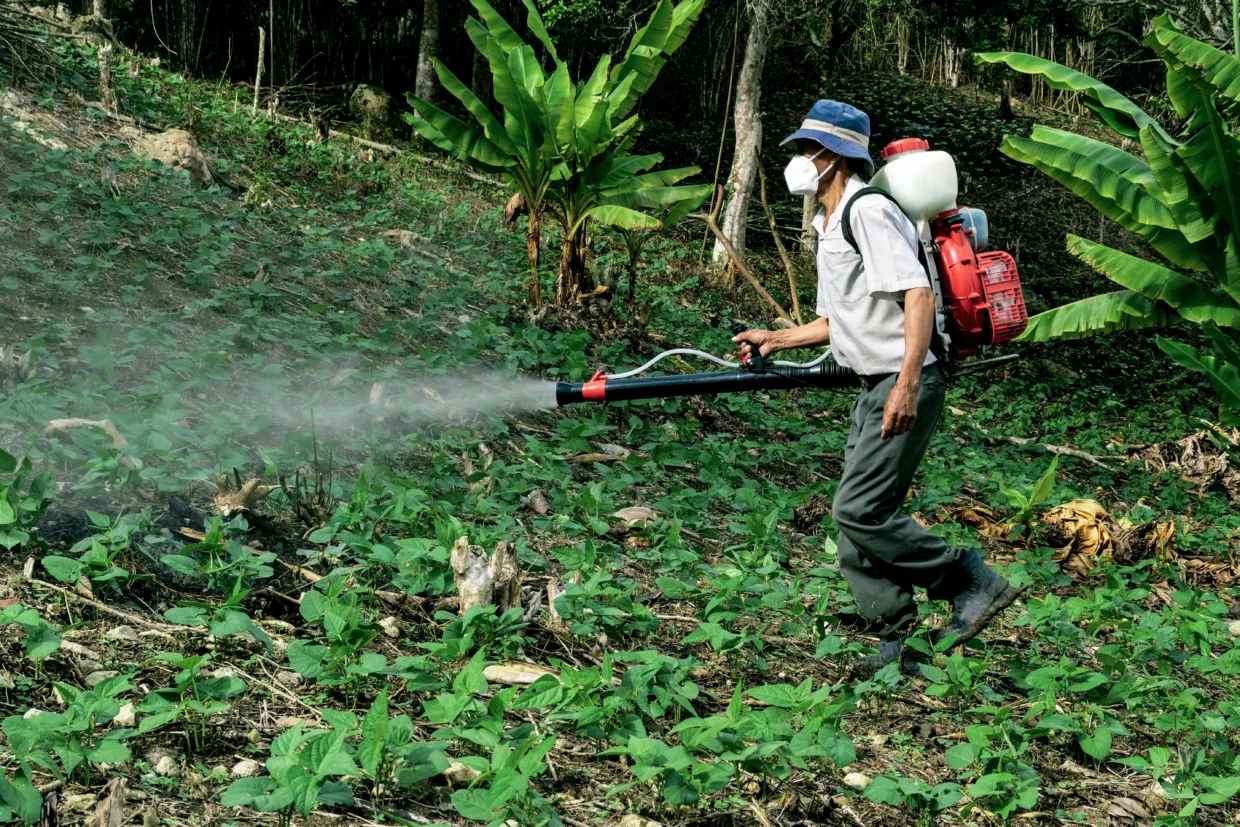
Even though there’s a increase, MOH said the situation is still under control and follows Malaysia’s usual dengue transmission pattern. And also increased mosquito control efforts in affected areas, including targeted fogging, Targeted outdoor Residual Spraying (TORS) and community programmes.
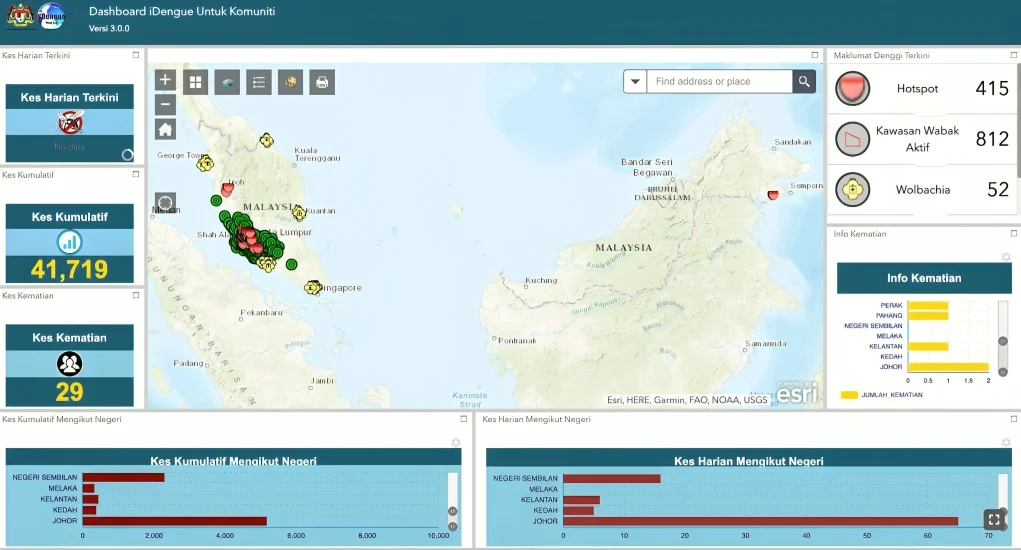
Based on the latest numbers from MOH’s iDengue Monitoring system, Malaysia recorded 41,719 cumulative dengue cases. The system also shows 415 hotspots, 812 active outbreak areas and 52 Wolbachia locations nationwide.
What is Dengue and How Does it Spread?
Dengue is a viral infection spread through the bite of infected Aedes mosquito. It does not spread directly from one person to another through normal contact. A mosquito can become infected after biting a person who has dengue. It then can pass the virus to another person through a later bite.
Know the Common Symptoms
Dengue symptoms is different for a each person, but some common symptoms are:
- Sudden High Fever
- Severe Headache
- Pain Behind the Eyes
- Muscles and Joint Pain
- Nausea or Vomiting
- Loss of Appetitle
- Skin Rash
Some of the early symptoms may be similar as a viral infection, its important to seek medical help if the high fever continues or if you have several of these symptoms above.

Warning Signs You Should Not Ignore
One important fact about dengue is that a patient may become seriously ill even after the fever begins to go down. Seek immediate medical assistance if you have:
- Severe Stomach Pain
- Vomiting
- Bleeding from the Nose or Gums
- Blood in Vomit or stool
- Extreme Tiredness or Weakness
- Restlessness or Unusual Changes in Behaviour
Severe dengue can develop quickly. Early medical attention and proper monitoring can help to reduce risk of serious complication.
How Can You Reduce the Risk?
Aedes Mosquitoes can breed in even small amounts of stagnant water. Regularly check flowerpot trays, buckets, drains, roof gutters, and unused containers at home. Use mosquito repellent when its needed, keep water containers properly covered and clear any items that can collect rainwater. Those living in dengue hotpot areas should also take extra precautions and do regular checks on the latest situation around your neighborhood.
Dengue prevention starts with simple actions. Knowing the symptoms, recognizing the warning signs and seeking medical care early can make a important difference. To get daily updates on the dengue situation around you, check here (iDengue Monitoring system).
This is a Varnam Exclusive Feature! Any Reproduction Requires A Credit To Varnam Malaysia.