



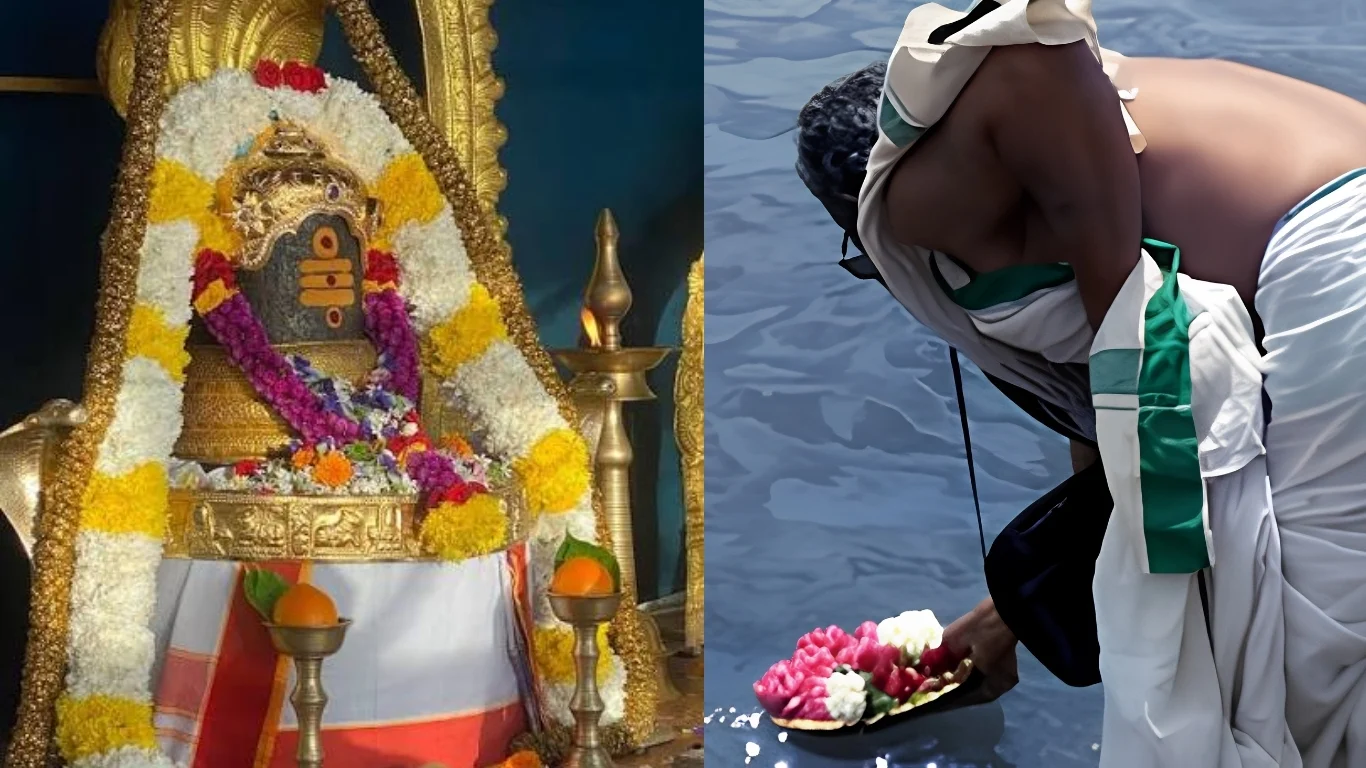
Aani Amavasai, the new moon day that falls in the Tamil month of Aani, is observed as one of the most significant occasions to honour ancestors through prayers and offerings. For Hindus, ancestors are regarded as an important part of the family’s spiritual lineage. Many believe that the blessings of one’s ancestors can bring peace, prosperity, and good health for future generations. This year, the Aani Amavasai falls today on July 14, 2026.
According to Hindu beliefs, this sacred day provides an opportunity to express gratitude and pray for the souls of departed family members and seek relief from Pitru Dosham.
What Is Pitru Dosham?
Pitru Dosham, also known as Pitru Dosha, is a term in Hindu tradition that refers to the obstacles believed to arise when ancestral duties remain incomplete or when departed ancestors have not been properly remembered through traditional rites.
According to spiritual beliefs, this dosham may affect a family in different ways, such as:
- Repeated obstacles despite sincere efforts
- Delays in marriage or childbirth
- Financial instability or career setbacks
- Frequent health concerns within the family
- Ongoing misunderstandings or lack of peace at home.
While these beliefs are rooted in Hindu tradition and spirituality rather than scientific evidence, many devotees observe ancestral rituals to seek blessings and inner peace.
Why Is Aani Amavasai So Important?
In Hindu beliefs, every Amavasai (new moon) is considered suitable for remembering ancestors. In that way, Aani Amavasai is regarded as one of the most spiritually powerful days of the year for ancestral worship, alongside Thai and Aadi Amavasai.
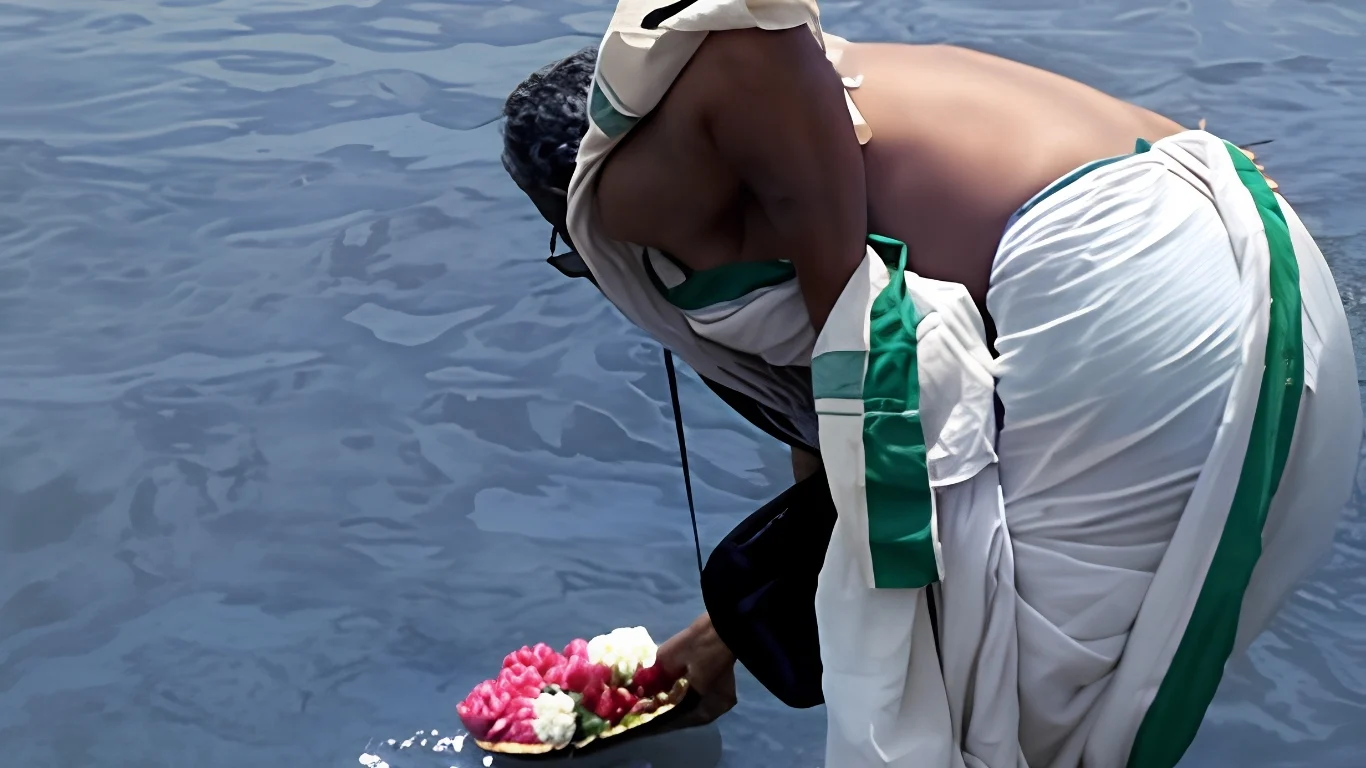
On this day, devotees believe prayers offered with sincerity can bring peace to departed souls. They also believe that it will strengthen the spiritual bond between generations and reduce effects of ancestral karma. This will ensure that they will receive blessings for health, prosperity and family harmony.
What Should Devotees Do During Aani Amavasai?
Devotees observe Aani Amavasai in different ways depending on family customs and traditions. Some common practices include:
Perform Tarpanam
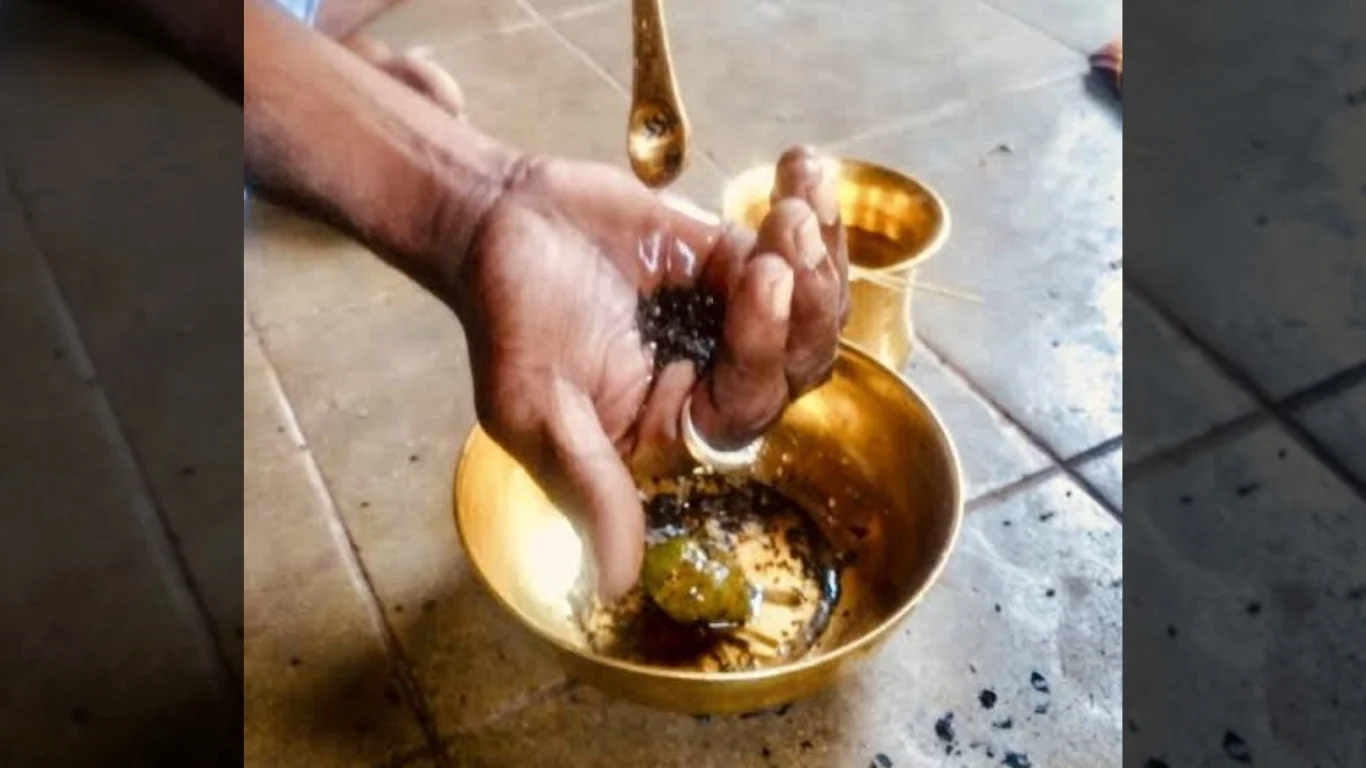
On Aani Amavasai, many Hindus start their day with a ritual bath in the sea or a sacred river. After the bath, they perform tarpanam, which means offering to their ancestors. They believe water cleanses both the body and mind, preparing them for prayers. This holy dip is thought to wash away bad karma. During tarpanam, people offer water mixed with black sesame seeds while remembering their ancestors and asking for their peace. Many families do this with a priest’s help, but simple prayers at home also hold meaning.
Offer Charity (Dhaanam)
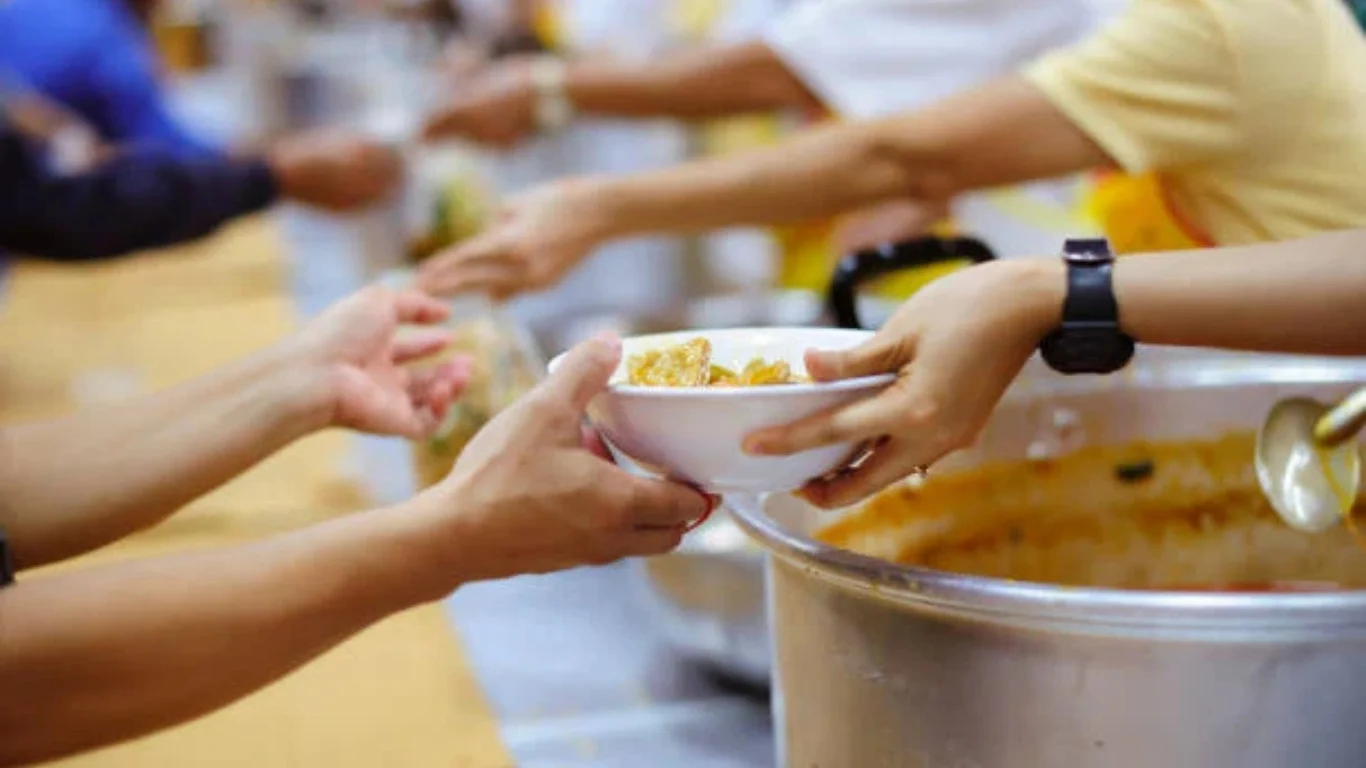
Giving charity is believed to generate positive karma on this auspicious day. Devotees often donate rice, lentils, fruits, clothing or other essentials to those in need, while many also perform annadhanam (food donation), which is regarded as one of the highest forms of charity.
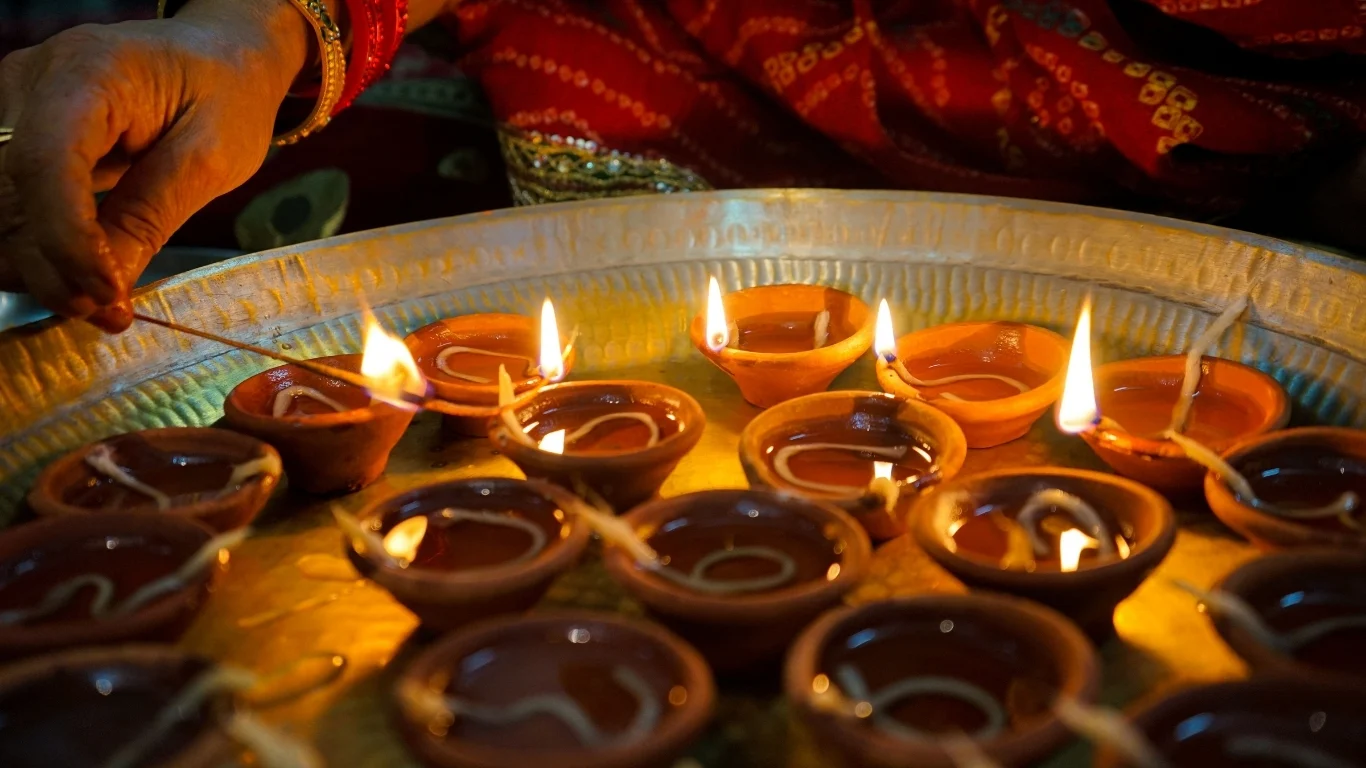
Light an Oil Lamp
Lighting an additional oil lamp at home during the early morning is believed to symbolise welcoming divine grace and remembering one’s ancestors. It also represents the hope that departed souls attain peace.
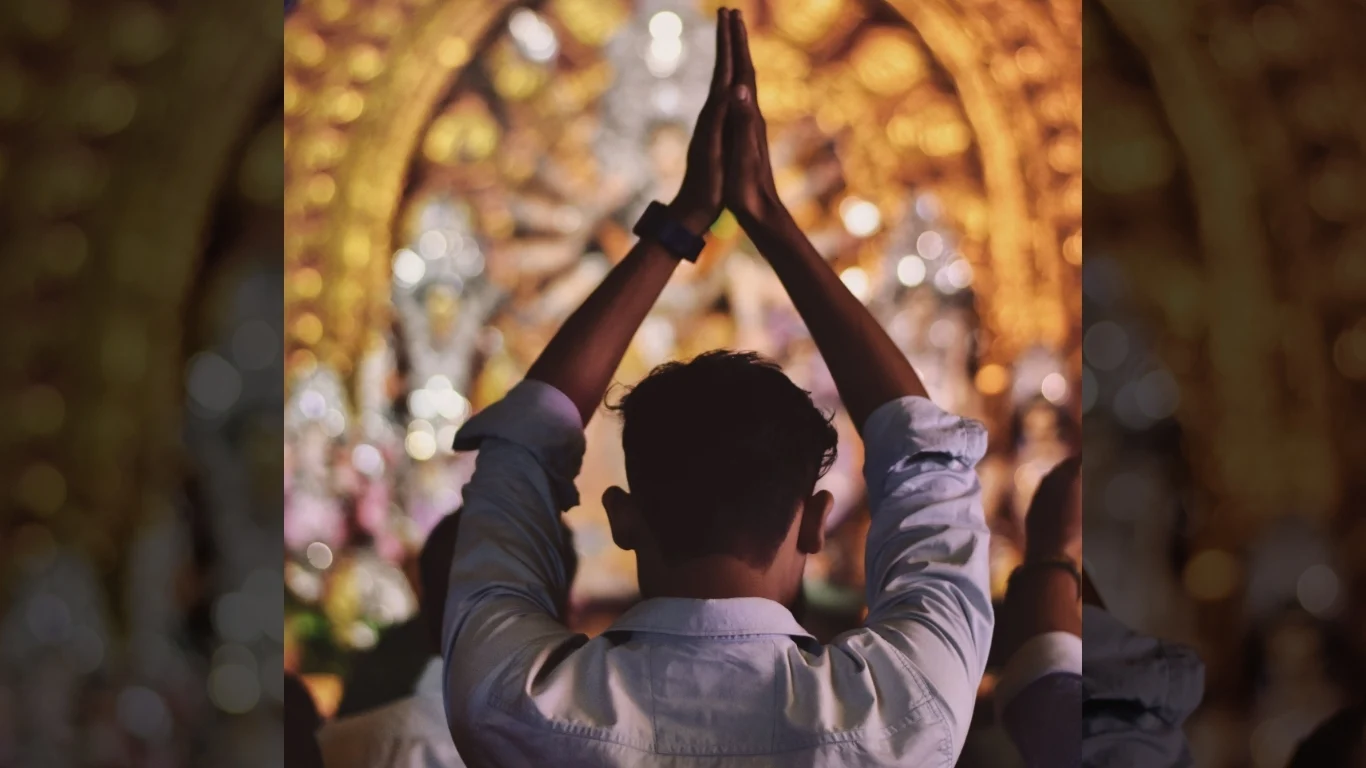
Pray with Gratitude
Even those unable to perform elaborate rituals can simply offer heartfelt prayers, remember the names of departed loved ones, and express gratitude for the sacrifices made by previous generations. Hindu teachings emphasise that sincerity is more important than the scale of the ritual itself.
More Than a Ritual
Beyond the rituals, Aani Amavasai serves as a reminder of the importance of family heritage and gratitude. It encourages devotees to remember those who came before them, acknowledge their contributions, and pray for the well-being of both the departed and the living.
For many Hindu families, observing Aani Amavasai is not solely about seeking relief from Pitru Dosham, it is also a meaningful tradition that strengthens the connection between generations while fostering compassion, charity and spiritual reflection.
Source: AstroUlagam, News18 Tamilnadu, AstroVed