



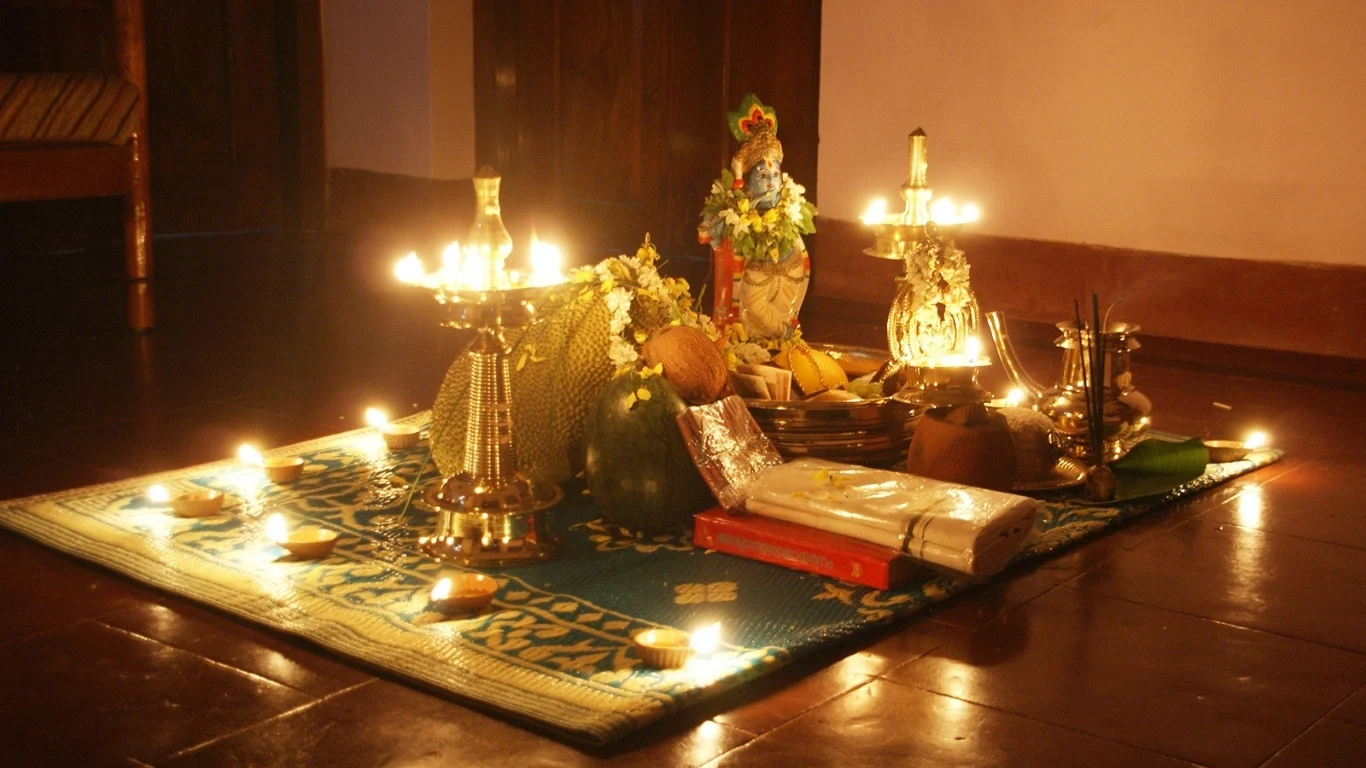
Vishu is a festival celebrated by the Malayalee community worldwide. It typically falls between April 13 and 15, and in 2026, it will be observed on April 15. Vishu is a Hindu festival that marks the arrival of spring and the harvest season, as well as celebrating Lord Krishna’s victory over the demon Narakasura.
On Vishu morning, all family members are expected to wake up at dawn with their eyes closed and proceed to the worship area of the house to catch their first glimpse of the Vishu Kani. This tradition is believed to bring prosperity and good luck for the coming year. Each item in the Vishu Kani carries a deeper meaning.
The Sacred Elements of Vishu Kani and Their Meaning
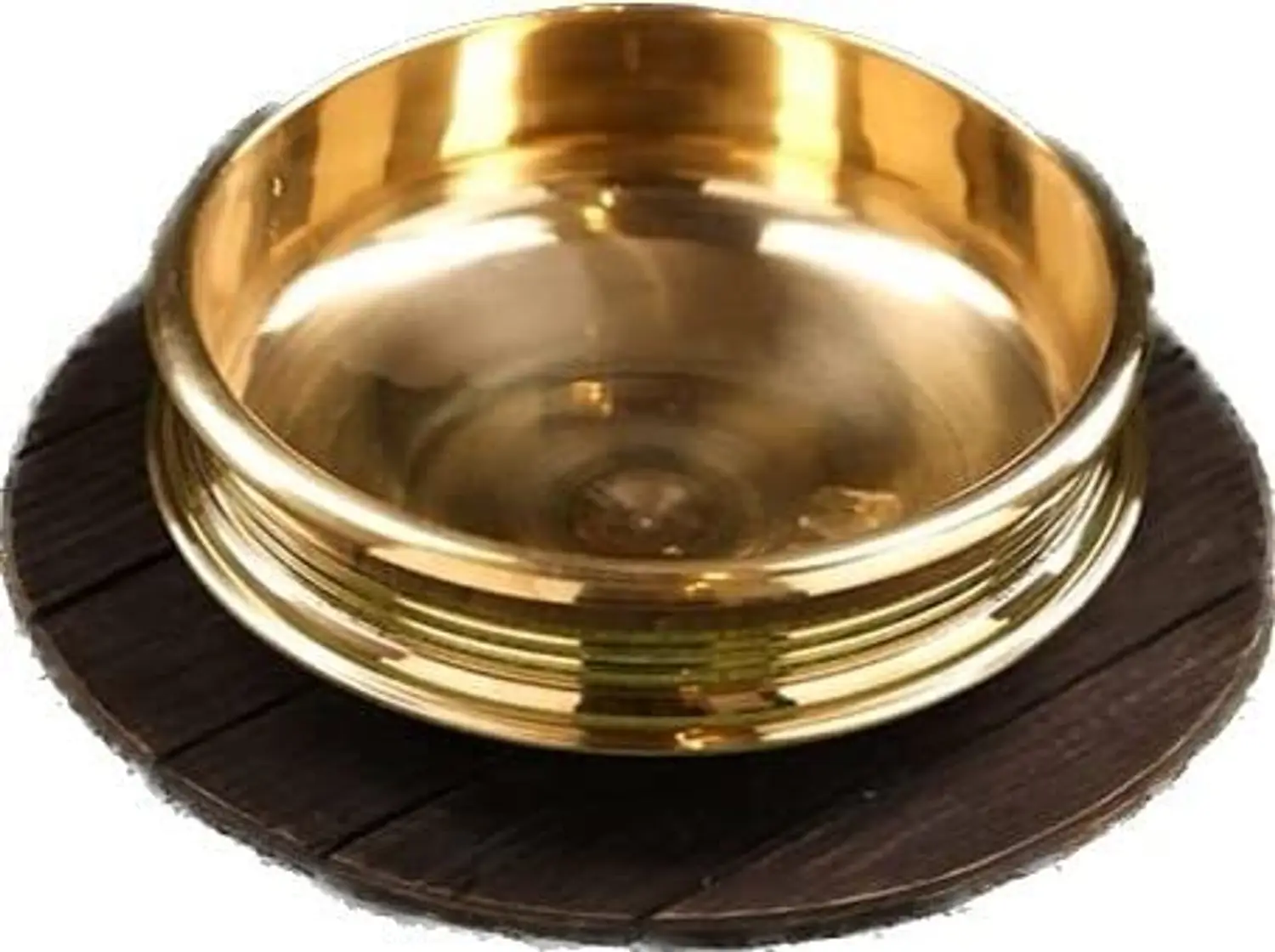
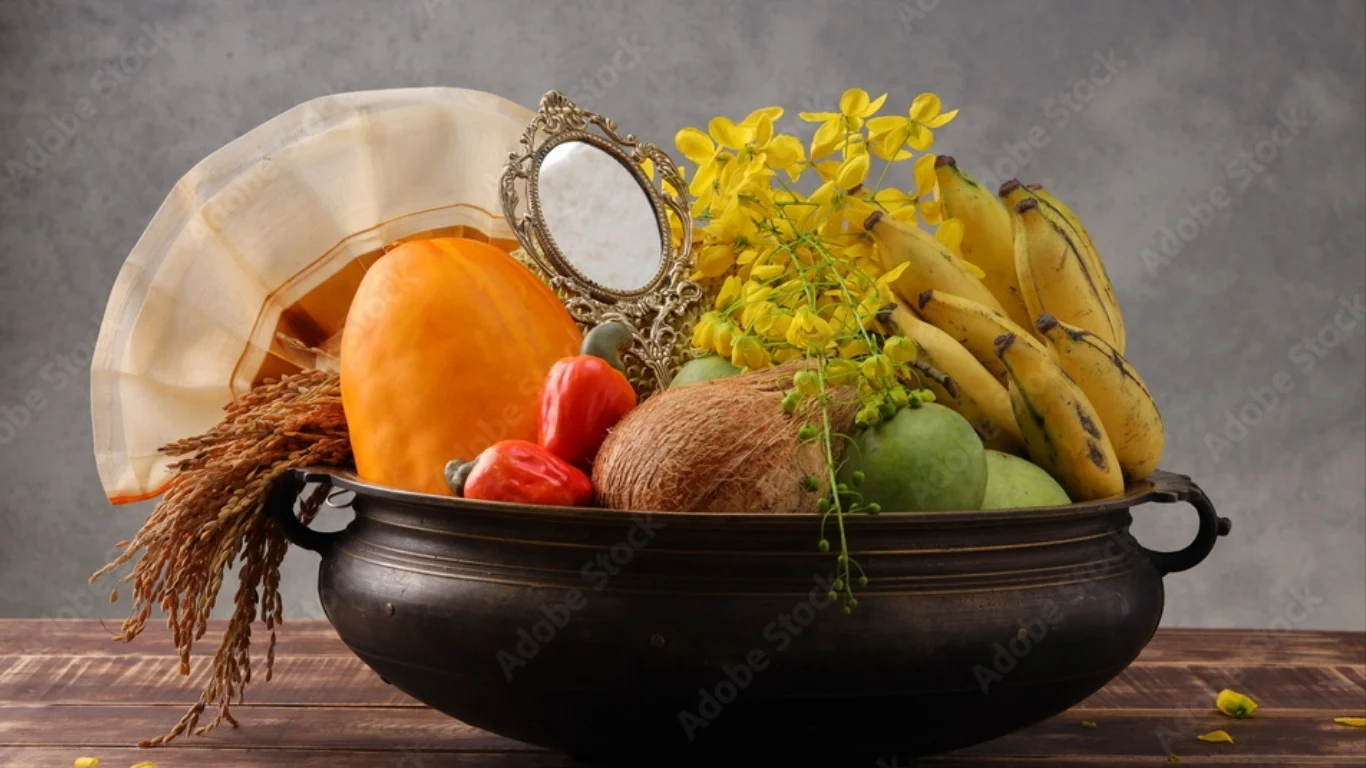
Uruli (Brass Pot or Bowl):
The uruli is the main item used to arrange the Vishu Kani, where vegetables and fruits are displayed.
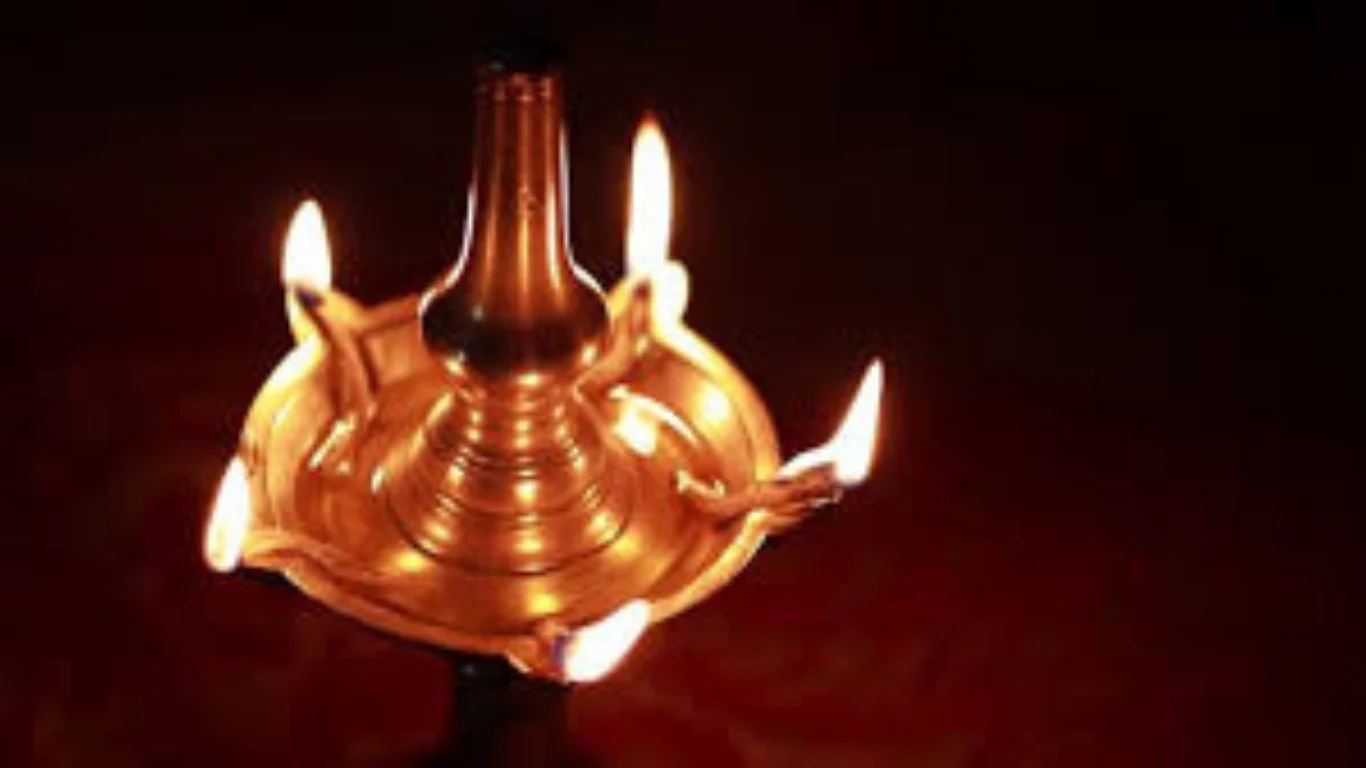
Nilavilakku (Kuthuvilakku):
Nilavilakku is a tall, standing oil lamp commonly found in Indian households. Malayalees light the nilavilakku for the Vishu Kani, symbolizing the triumph of light over darkness and radiating warmth and positivity.
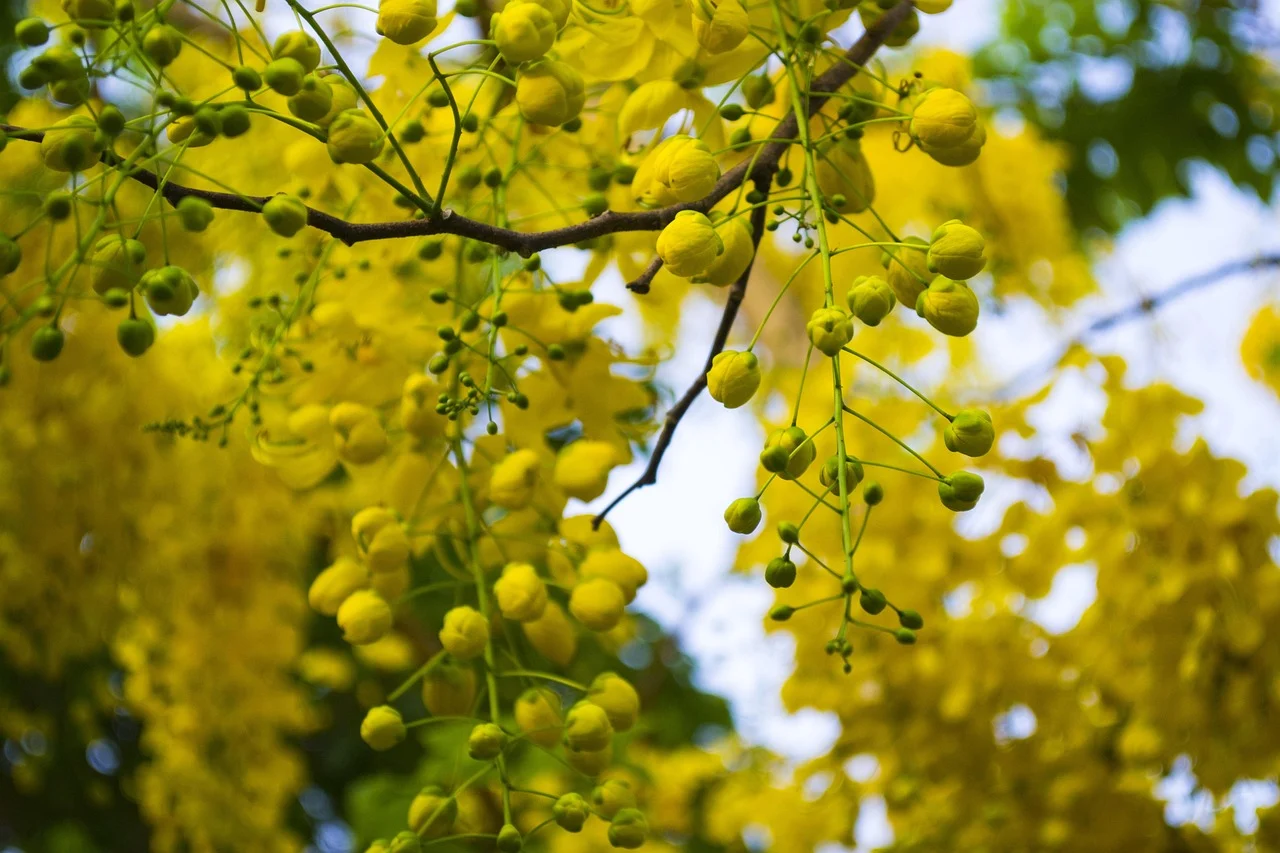
Konna Poo (Golden Shower Flower):
Also known as the Golden Shower flower, Konna Poo comes in bright yellow, representing wealth and prosperity.
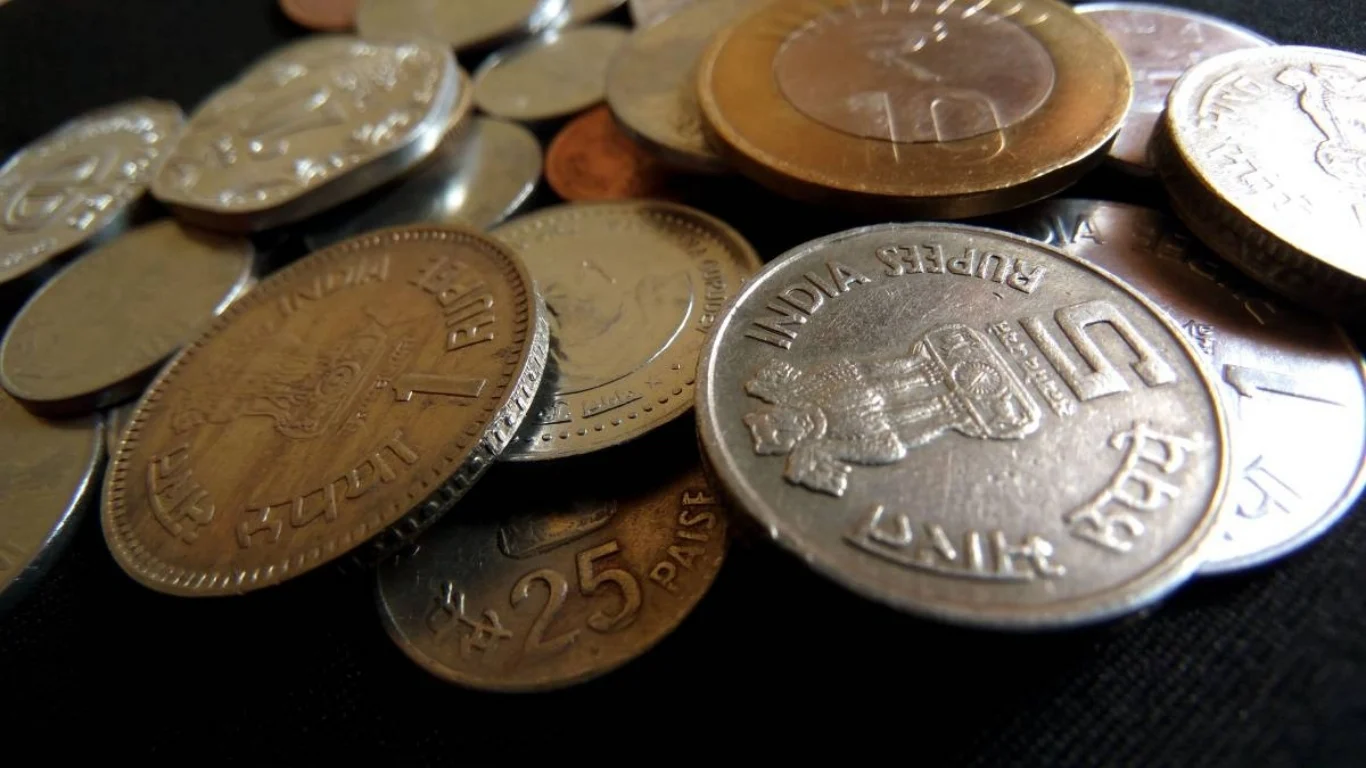
Coins & Gold Ornaments:
Coins and gold ornaments are placed in the Vishu Kani to ensure financial stability for the coming year.
Valkannadi:
The valkannadi (mirror) is also included in the Vishu Kani. Looking into the mirror in the morning serves as a reminder for self-reflection.

Vegetables & Fruits:
Seasonal fruits and vegetables are arranged in the uruli, including mangoes, jackfruit, cucumbers, pineapples, bananas, and coconuts, representing good fortune.
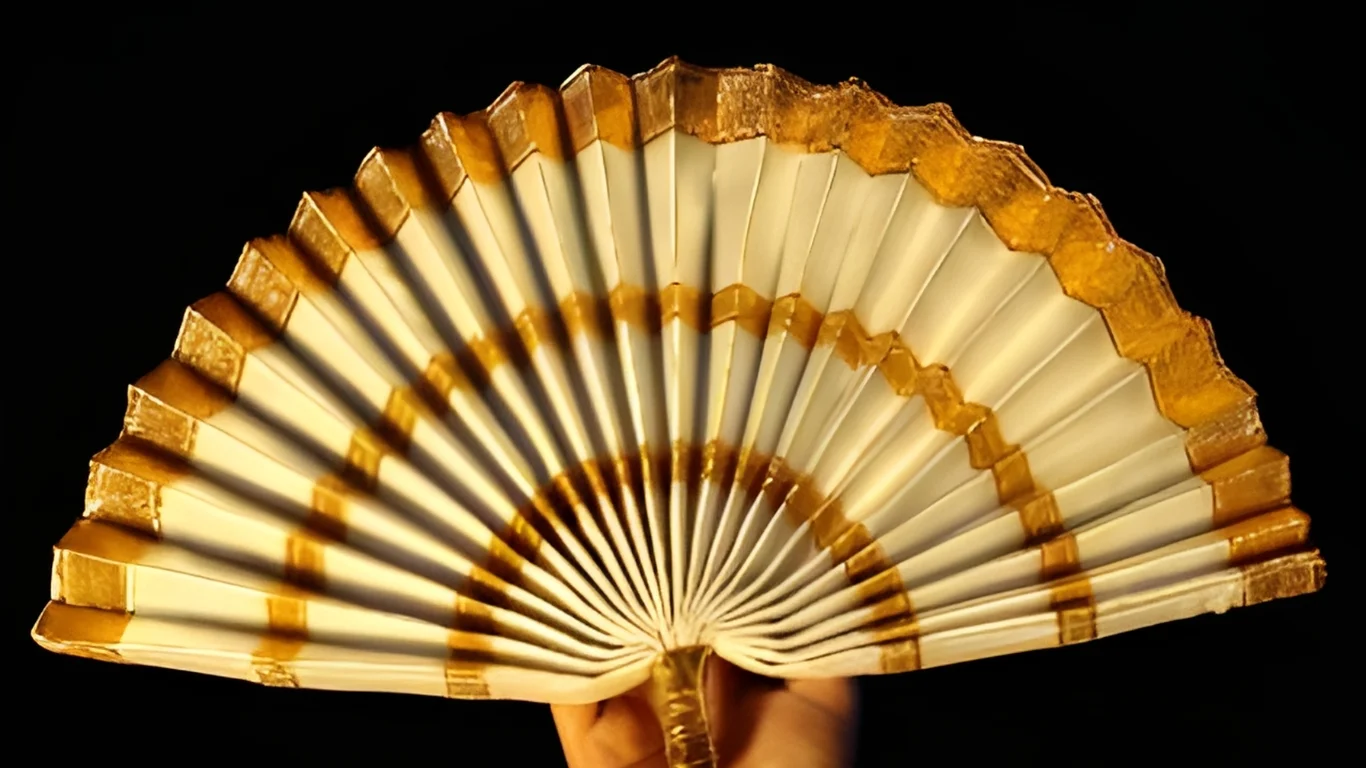
Thiru Udayada (Sacred Cloth):
A sacred decorative cloth that enhances the beauty of the Vishu Kani.
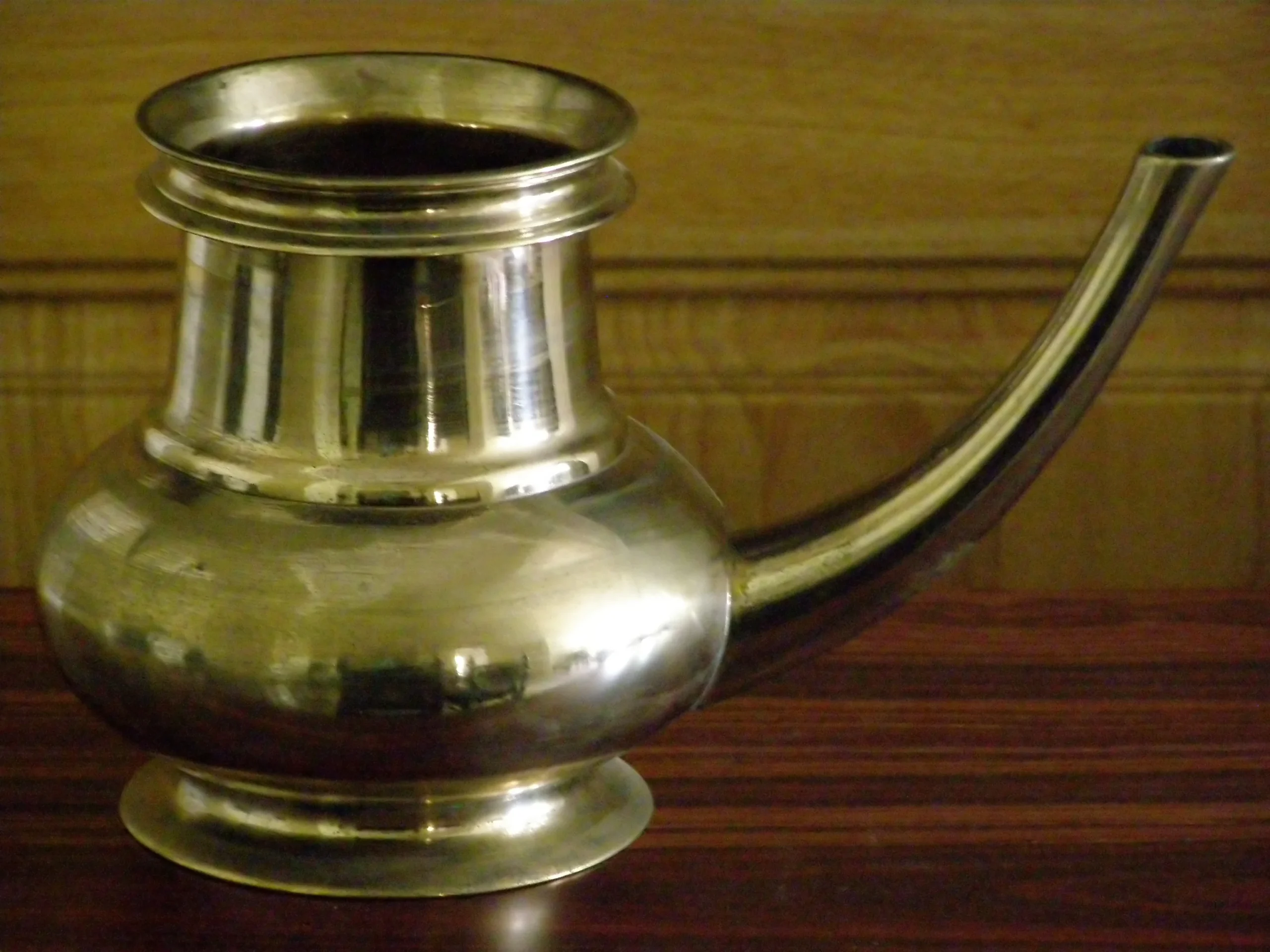
Kindi (Brass Water Vessel):
The kindi is a small brass water vessel that contains holy water used during the ritual.
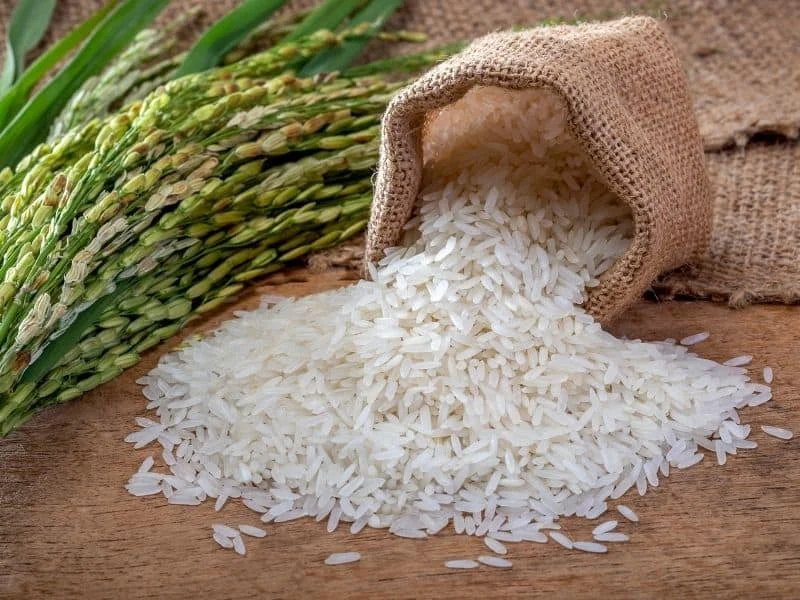
Para (Small Brass Pot):
The para is a small pot used to store uncooked rice and grains. During the Vishu Kani, the para is filled with rice or grains, symbolizing abundance and prosperity.
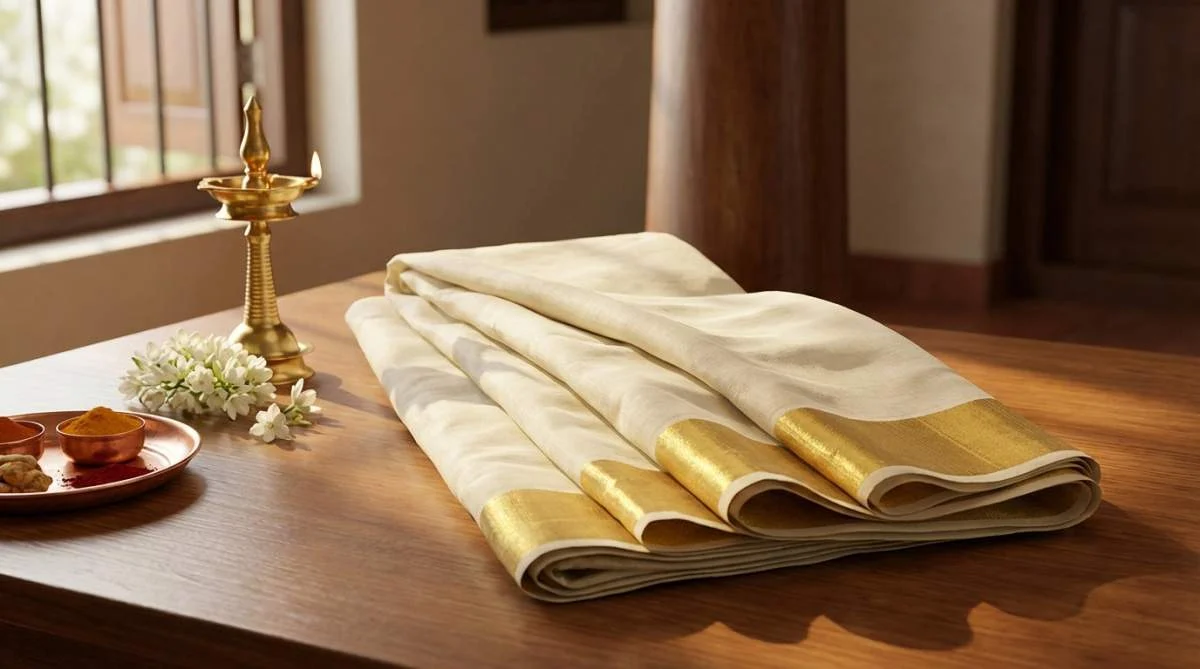
Traditional Attire:
Veshti and saree, the traditional attires, are also placed in the Vishu Kani to represent the festive spirit.
All of these items are placed in front of a picture of Lord Vishnu for worship. The preparation of the Vishu Kani is a meticulous and sacred process that begins with the careful gathering of all essential items. Creating a traditional Vishu Kani is a significant ritual in Kerala’s culture, symbolizing hope, prosperity, and renewal.
Wishing a blessed Vishu to all who are celebrating!
Source: ProKerala Blog, Mannar Craft Blog, Gulf News