




286 MYKAS applications from the Indian community have been approved from 2022 to 31 May 2026, according to Home Ministry.
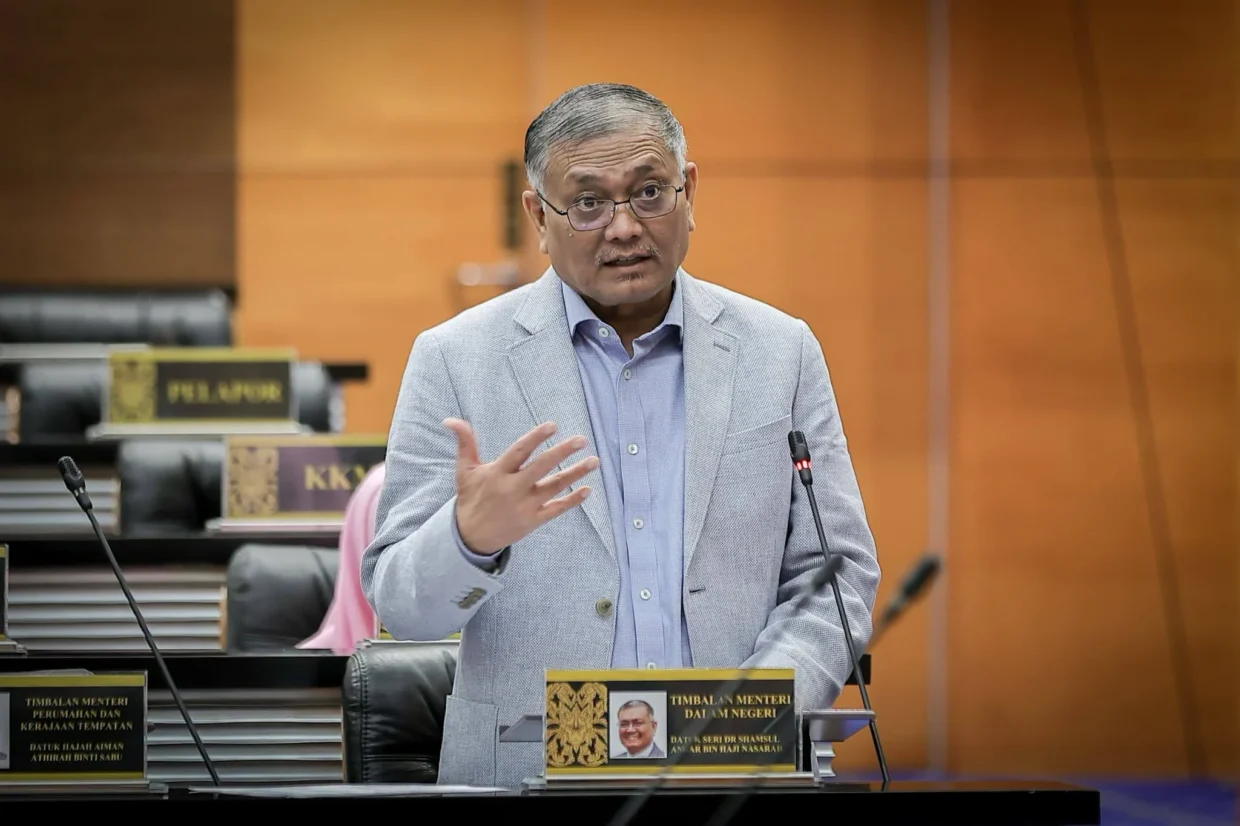
Deputy Home Minister Datuk Seri Dr Shamsul Anuar Nasarah said the National Registration Department (NRD) received 298 MYKAS applications during the period, with 96% successfully approved. MYKAS is a green temporary resident identity card given by the NRD to non-citizens.
Progress on Birth Registration and Citizenship
Shamsul Anuar also shared updates on the late birth registration applications which involves the Indian community. Between 2022 to 31 May 2026. 2,810 which is 90.1% application has been approved. Another 251 application are still being processed.
For citizenship applications, he said 1,018 applications were submitted. Of these, 503 applications (49.4% )are still under review, while 141 applications (13.9%) have been approved.

He explained that approved citizenship application will continue to be recorded as “being processed” in the NRD system until citizenship certificates are applied, printed and handed over to applicants officially.
Improving Access to Documentation
Speaking at the Special Chamber sitting in Dewan Rakyat, Shamsul Anuar said the NRD continues to help people obtain identity documents through Menyemai Kasih Rakyat (MEKAR) programme.
Under the programme, NRD officers visits communities, especially in rural areas to help the ones who faces difficulties accessing registration services.
He also said that the ministry has not appointed any non-governmental organizations (NGOs) to be intermediaries for NRD applications, as all applications are handled according to existing laws.
Reasons for Late Birth Registration
Shamsul Anuar replied to a question from Batu Gajah MP Dr V.Sivakumar on birth registration. He answered that late birth registration is often caused by parents not being aware of the legal registration period, which is 60 days in Peninsular Malaysia and 42 days in Sabah and Sarawak.
Other reasons are family issues such as separation or divorce, financial difficulties that doesn’t allow parents from visiting registration offices, and incomplete supporting documents.
To speed up the approval process, the NRD has given approval powers to state offices, reducing bureaucracy, and allows application to be processed more efficiently.
Sources: Bernama